DHS Skyline TG3 vs Donic Bluestorm Z1 Turbo: Which Should You Buy?
| DHS Skyline TG3 | Donic Bluestorm Z1 Turbo | |
|---|---|---|
| Our rating | 8.2/10 | 8.3/10 |
| best_side | forehand | forehand |
| control | 8.0 | 8.2/10 |
| speed | 7.5 | 9.8/10 |
| spin | 9.5 | 9.9/10 |
| sponge_hardness | 38-40 degrees | 50 degrees |
| type | tacky Chinese inverted | inverted |
| weight_uncut_g | 63 | 71 |
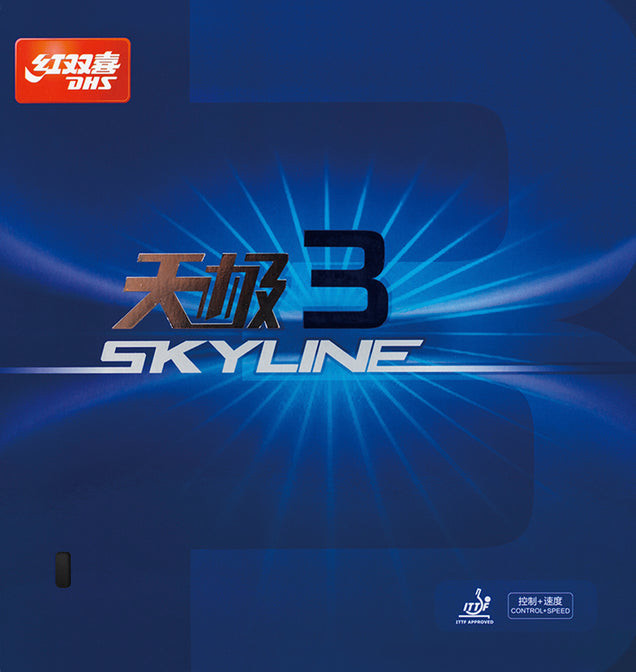
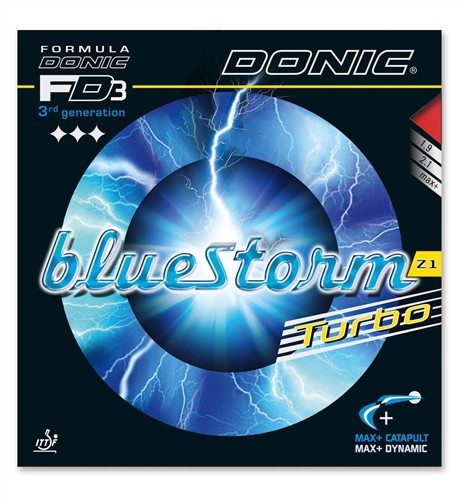
We may earn a commission from links on this page. Learn more.
DHS Skyline TG3 and Donic Bluestorm Z1 Turbo are both unforgiving, but for different reasons. Skyline punishes poor footwork and contact timing with its low throw angle and mechanical grip. Z1 Turbo is highly inconsistent without booster and muffles feedback, making loop depth hard to judge. Both reward advanced players and punish beginners equally.
Skyline wins on spin (9.5 vs 9.9) and short game versatility. Z1 Turbo dominates speed (9.8 vs 7.5) and durability under training loads. Skyline needs no additives; Z1 demands booster investment. Choose Skyline for pure spin prowess, sensitive serve control, and budget appeal. Choose Z1 Turbo if you can apply booster, attack from mid-distance with committed rallies, and accept numb feedback in exchange for speed.
FAQ
Do I need booster for either rubber?
No booster needed for Skyline. Bluestorm Z1 Turbo is highly inconsistent without it, so booster is essential for reliable performance.
Which is better for short game and flicks?
DHS Skyline TG3 by far. Its tacky grip excels at varied serve and flick strokes. Z1 Turbo’s flicks overshoot due to high speed and catapult.
How do these perform in rallies?
Skyline excels at topspin rallies from close-to-table. Z1 Turbo dominates mid-distance fast topspin rallies with its superior speed ceiling.
Which is more durable?
Donic Bluestorm Z1 Turbo reports excellent durability under heavy training. Skyline topsheet durability is good but less specifically praised.
Can beginners use either?
No. Both are advanced-only. Skyline punishes footwork errors; Z1 Turbo requires booster knowledge, committed technique, and mid-distance play.