DHS Hurricane 8 vs Nittaku Fastarc P-1: Which Should You Buy?
| DHS Hurricane 8 | Nittaku Fastarc P-1 | |
|---|---|---|
| Our rating | 8.2/10 | 7.8/10 |
| best_side | forehand | forehand |
| control | medium-high | 8.5 |
| speed | high | 15.5 |
| spin | extreme | 12.25 |
| sponge_hardness | 39-40 (DHS scale, medium-hard) | 47.5 degrees |
| type | hybrid tacky tensor | tensor |
| weight_uncut_g | 70 | 70 |
We may earn a commission from links on this page. Learn more.
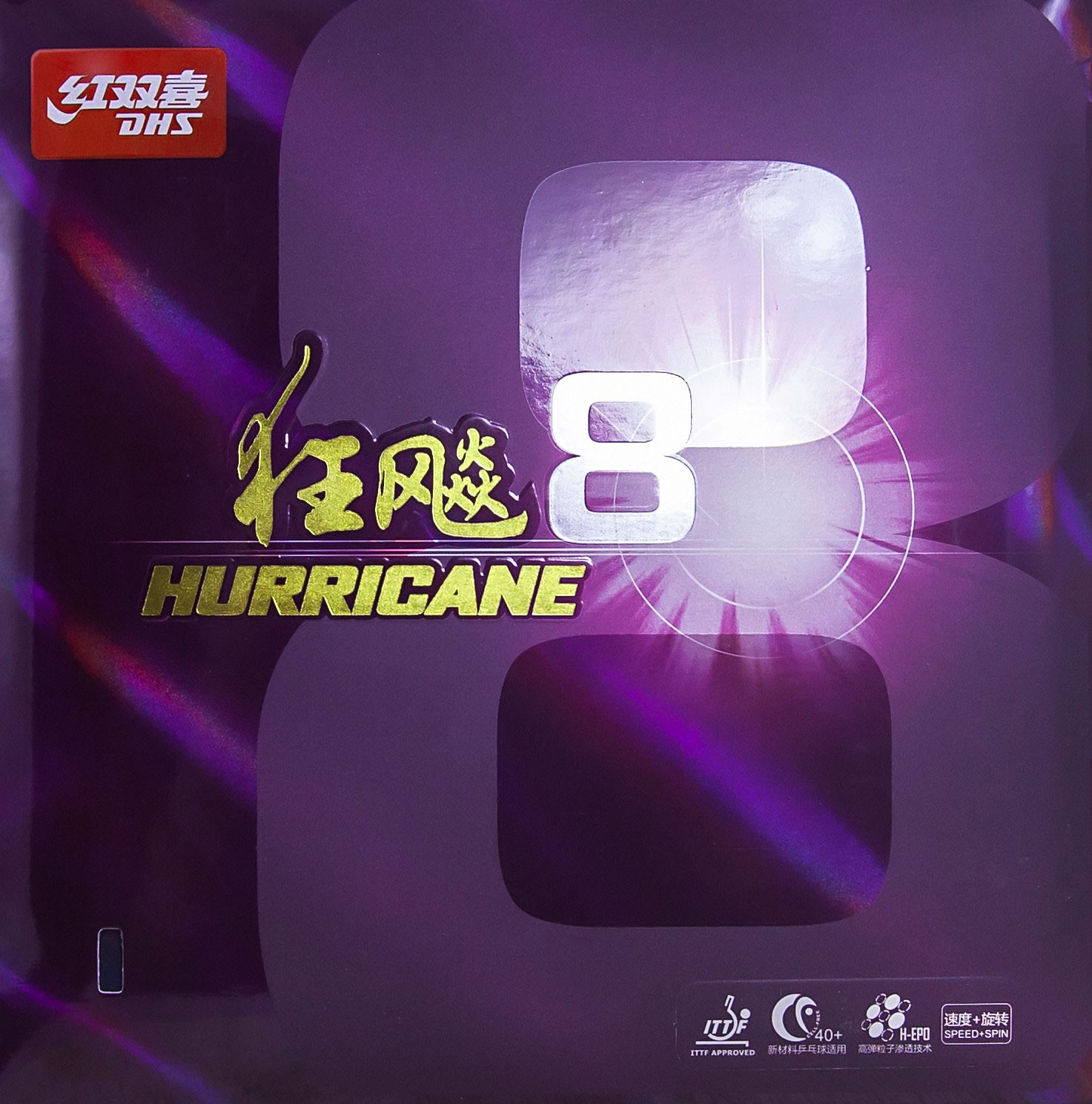
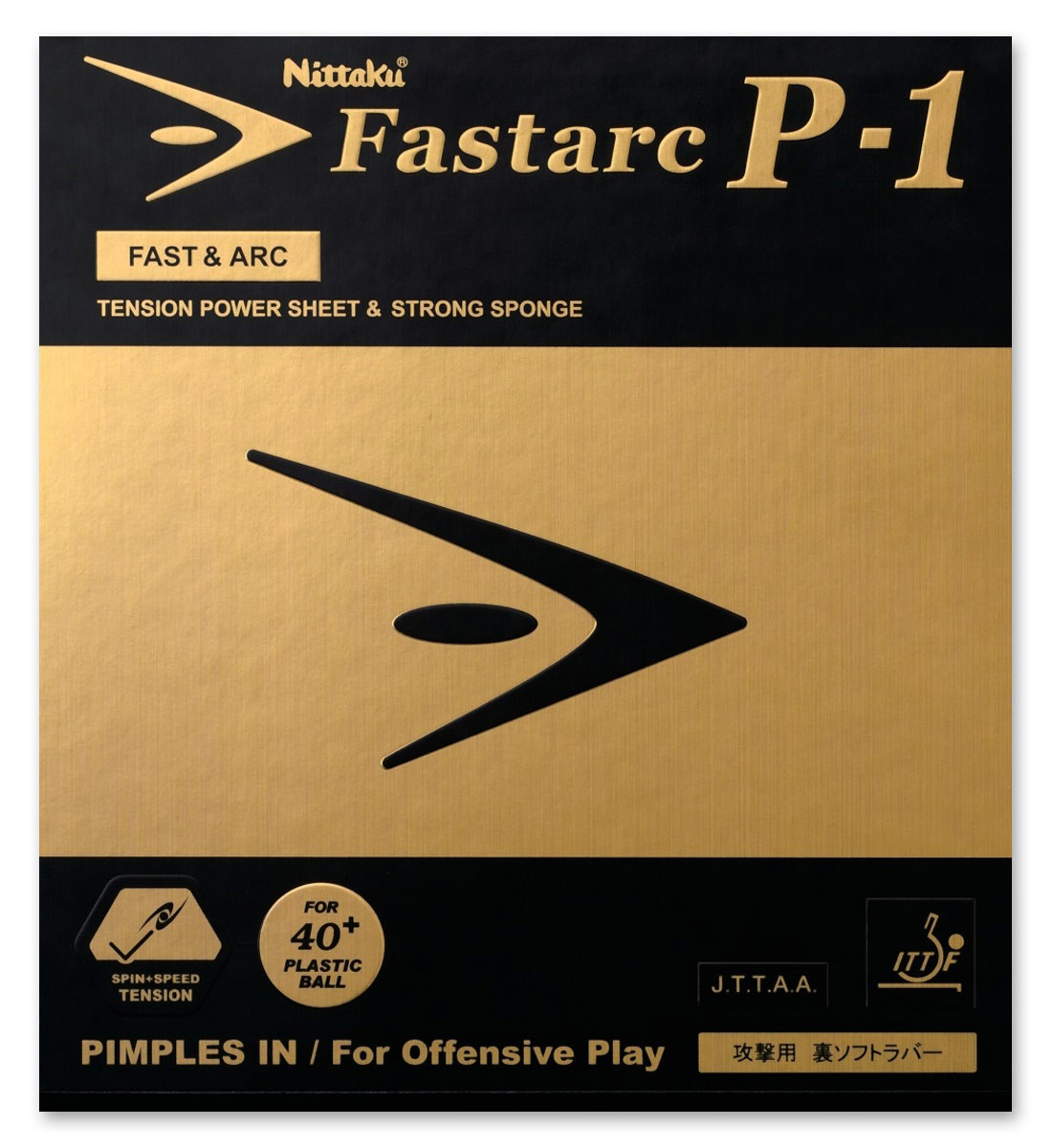
DHS Hurricane 8 and Nittaku Fastarc P-1 both deliver significant spin through opposing feedback philosophies. Hurricane 8 provides immediate tacky confirmation and direct feedback. Fastarc P-1 offers surprising spin despite softer, linear feedback.
Fastarc P-1 suits advanced players confident in full, technically sound strokes. High throw angle provides generous net clearance, excellent for safety-first attacks. Low spin sensitivity makes blocking and counter-looping consistent.
Hurricane 8 serves short-game specialists and serve-dominant players. Fastarc P-1 appeals to full-swing looping specialists seeking spin with defensive consistency.
FAQ
Which throws higher over the net?
Fastarc P-1 significantly higher. Its high throw angle provides generous clearance. Hurricane 8’s low angle punishes errors.
How does spin output compare?
Both generate impressive spin. Fastarc P-1 spins hard on power loops despite soft feel. Hurricane 8 spins harder on serves.
Which is better for beginners?
Neither. Both demand advanced technique. Fastarc P-1 forgives tentative strokes slightly better through high throw angle.
What about the uncut weight?
Both weigh 70g uncut. Despite same specs, feel quite different due to sponge hardness and topsheet differences.