DHS Hurricane 8 vs Nittaku Fastarc C-1: Which Should You Buy?
| DHS Hurricane 8 | Nittaku Fastarc C-1 | |
|---|---|---|
| Our rating | 8.2/10 | 8.4/10 |
| best_side | forehand | backhand or allround |
| control | medium-high | high |
| speed | high | 15.25 (Nittaku scale) |
| spin | extreme | 12.25 (Nittaku scale) |
| sponge_hardness | 39-40 (DHS scale, medium-hard) | 45 degrees |
| type | hybrid tacky tensor | inverted / tensor |
| weight_uncut_g | 70 | approx 47 g (157 x 150 mm sheet) |
We may earn a commission from links on this page. Learn more.
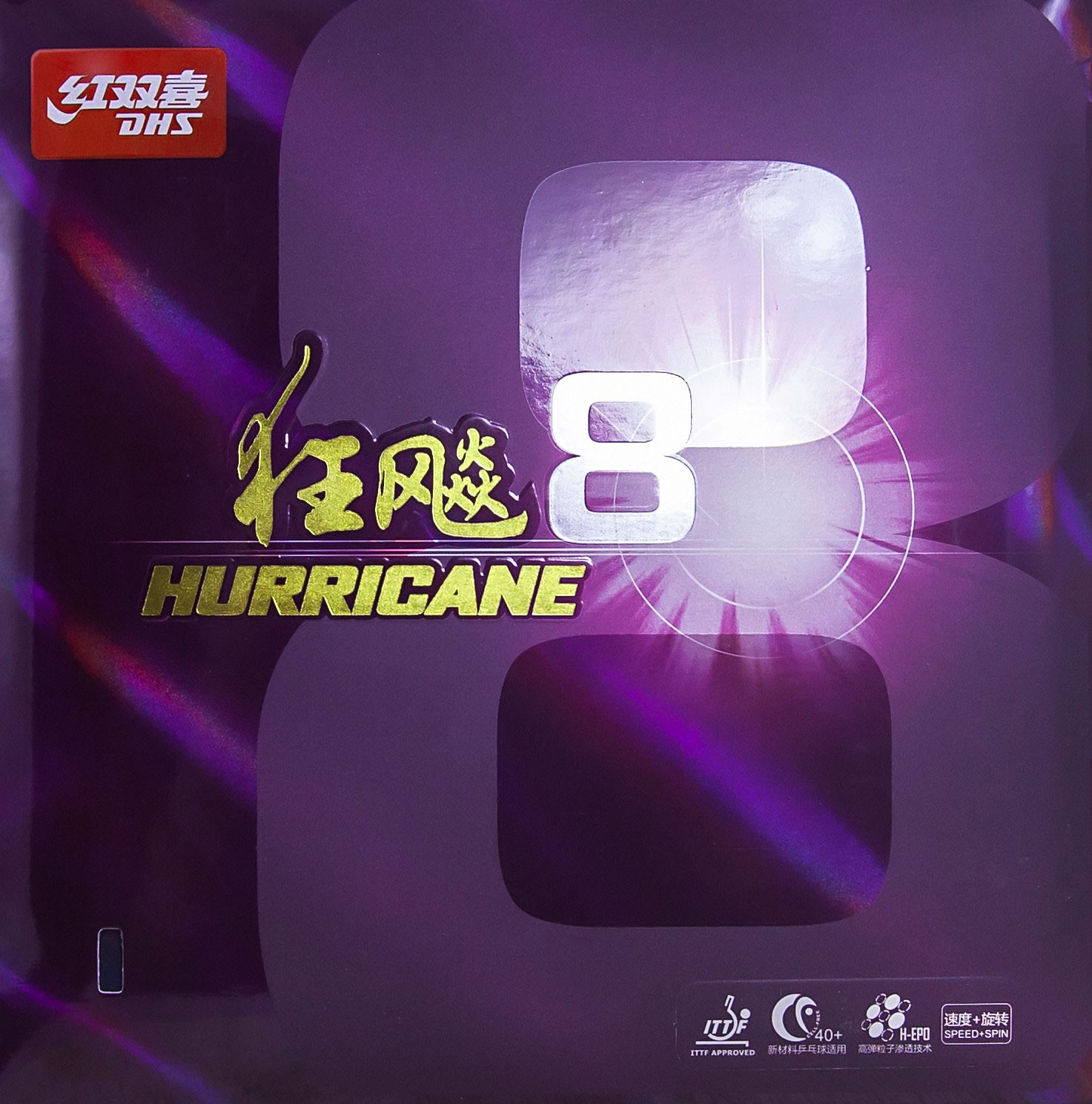
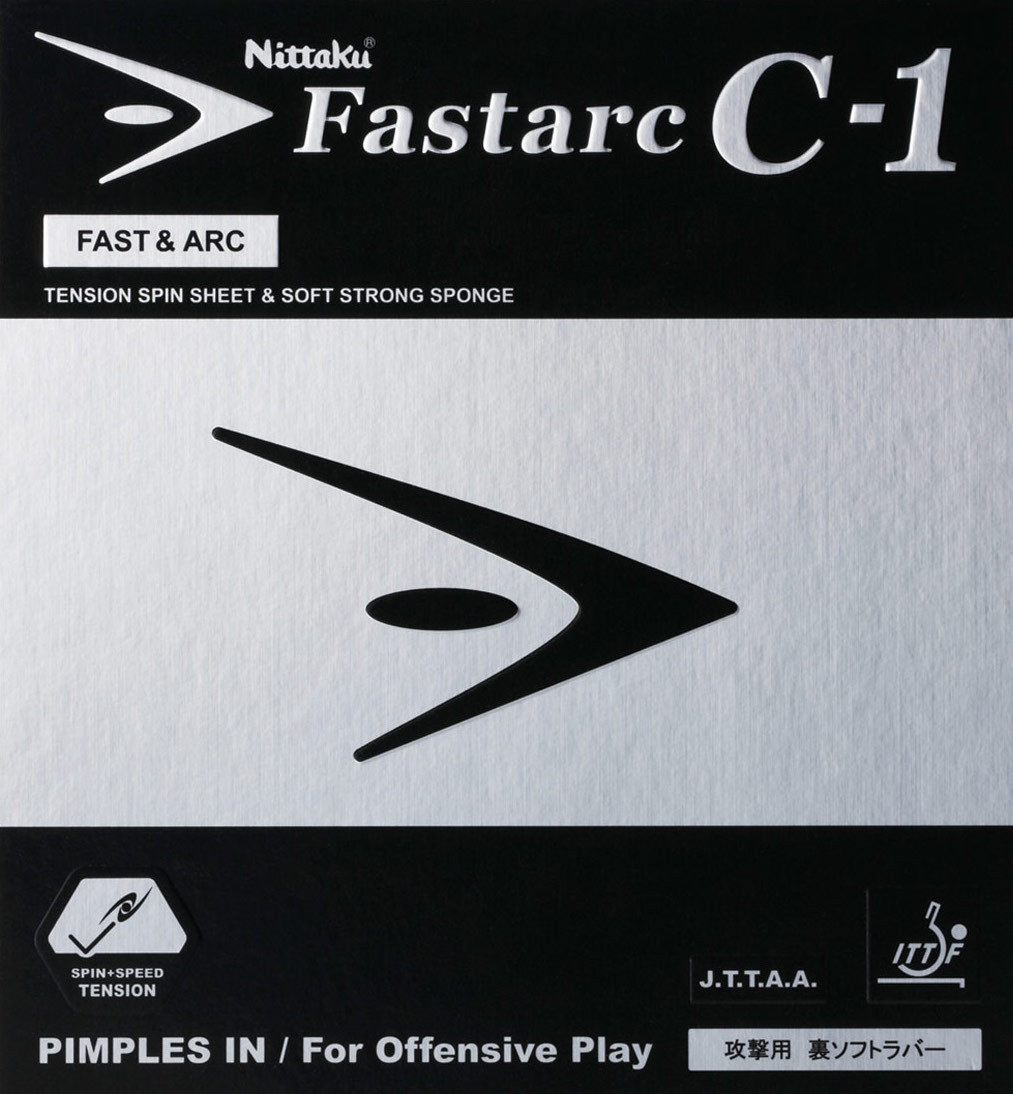
The DHS Hurricane 8 (8.2) is a tacky-tensor heavy hitter optimized for spin, feel, and close-range dominance. The Nittaku Fastarc C-1 (8.4) is a forgiving, higher-arc tensor that excels at opening loops, mid-distance striking, and backhand play—essentially a jack-of-all-trades inverted rubber with premium spin and dwell.
Hurricane 8 is pure forehand, tacky, spin-first; Fastarc C-1 is allround, safe, spin-second. DHS demands footwork and aggression; C-1 punishes less. DHS shines in short-range exchanges; C-1 thrives mid-distance. Both can loop, but C-1’s forgiving arc makes it harder to unforced error. DHS suits aggressive European players; C-1 suits Japanese-style safe, consistent topspin.
FAQ
Which is better on backhand?
C-1—Fastarc is optimized for backhand or allround use. Hurricane 8 is not recommended for backhand.
How much spin does each produce?
Both extreme on active strokes, but Hurricane 8 requires more arm speed. C-1 is spinny even on passive blocks and mid-distance hits.
Is C-1 less durable?
Durable topsheet—grip holds well. Hurricane 8 fades after 2 weeks. C-1 keeps grip far longer.
Can I use either on a soft all-wood blade?
C-1 pairs better. C-1’s forgiving feel works with slow blades. Hurricane 8 needs a stiffer blade to not feel sluggish.