DHS Hurricane 301 vs Nittaku Acoustic Carbon: Which Should You Buy?
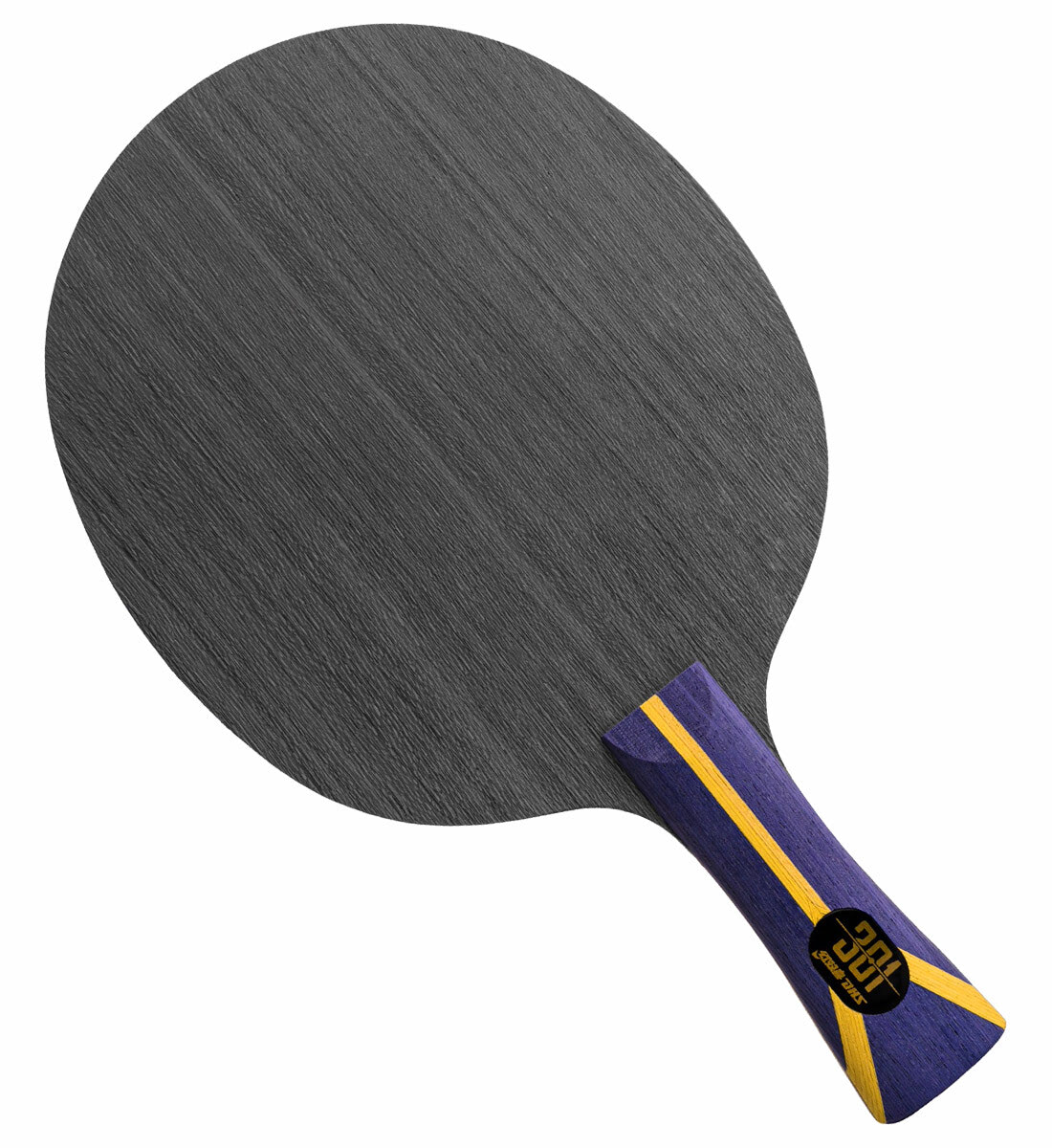
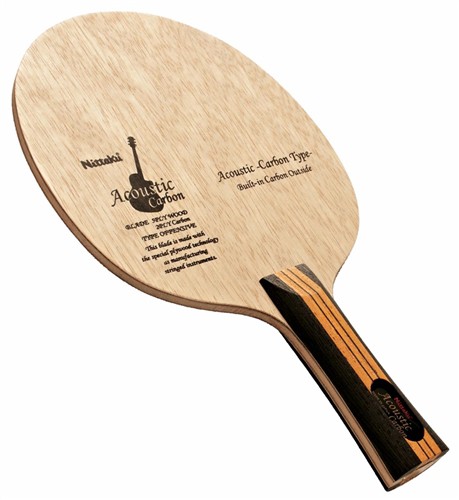
| DHS Hurricane 301 | Nittaku Acoustic Carbon | |
|---|---|---|
| Our rating | 8.6/10 | 8.8/10 |
| feel | medium-hard, crisp, direct inner arylate-carbon with deep dwell on power shots | Medium-hard outer carbon with surprising wood-like dwell and ball retention; crisp sound on contact |
| handle | FL | FL, ST (also Large Handle and Chinese Penhold variants available) |
| plies | 5W+2 Aramid-Carbon (Koto outer, Ayous middle and core, inner Arylate-Carbon) | 7 plies — 5 wood + 2 FE carbon (Limba - FE Carbon - Limba - Tung - Limba - FE Carbon - Limba) |
| speed | OFF | OFF |
| thickness_mm | 5.8 | 5.5mm |
| weight_g | 90 | approx 90g |
We may earn a commission from links on this page. Learn more.
The DHS Hurricane 301 is the budget pick for developing loopers who want spin and long dwell time without breaking the bank—rate 8.6 reflects excellent value at one-third the cost of premium inner-ALC blades. The Nittaku Acoustic Carbon (8.8) is the premium choice for intermediate-to-advanced players seeking the speed of a carbon blade with genuine wood-like touch and short-game precision.
If you loop close to mid-table with tacky rubber, the Hurricane 301 punches far above its price. But if you need off-table speed and can handle the heavier weight, Nittaku’s outer-carbon construction and high throw angle give you the best of both worlds—speed plus feel—though the learning curve is steeper. DHS suits budget-conscious attackers; Nittaku rewards compact, technique-first players.
FAQ
Which blade is faster?
Both are rated OFF speed, but Nittaku edges ahead due to outer-carbon layers. DHS compensates with longer dwell time and deeper ball holding.
Do they work with tacky Chinese rubber?
Yes to both. DHS is optimized for tacky rubber and rewards it. Nittaku also pairs well but is more forgiving with European inverted rubbers too.
Which is better for beginners?
Hurricane 301—easier to learn, faster to control, and your budget won’t suffer if you outgrow it. Nittaku’s learning curve and price tag suit improving intermediates.
What’s the weight difference and why does it matter?
Both around 90g, but Nittaku’s head-heavy balance demands more racket speed. DHS feels nimbler with lighter or softer rubbers.