DHS Hurricane 3 National Blue Sponge vs Nittaku Fastarc G-1: Which Should You Buy?
| DHS Hurricane 3 National Blue Sponge | Nittaku Fastarc G-1 | |
|---|---|---|
| Our rating | 8.4/10 | 8.8/10 |
| best_side | Forehand | both |
| control | 70 | medium-high |
| speed | 91 | 15.0 (Nittaku) |
| spin | 98 | 12.5 (Nittaku) |
| sponge_hardness | 39-42 degrees (varies by batch; commonly 40 or 41 deg) | 47.5° |
| type | Inverted / Tacky | tensor inverted |
| weight_uncut_g | approx 70-73 g uncut | 69 |
We may earn a commission from links on this page. Learn more.
The starkest contrast in this comparison set: a 6-point tackiness gap and a 2.9-point throw gap
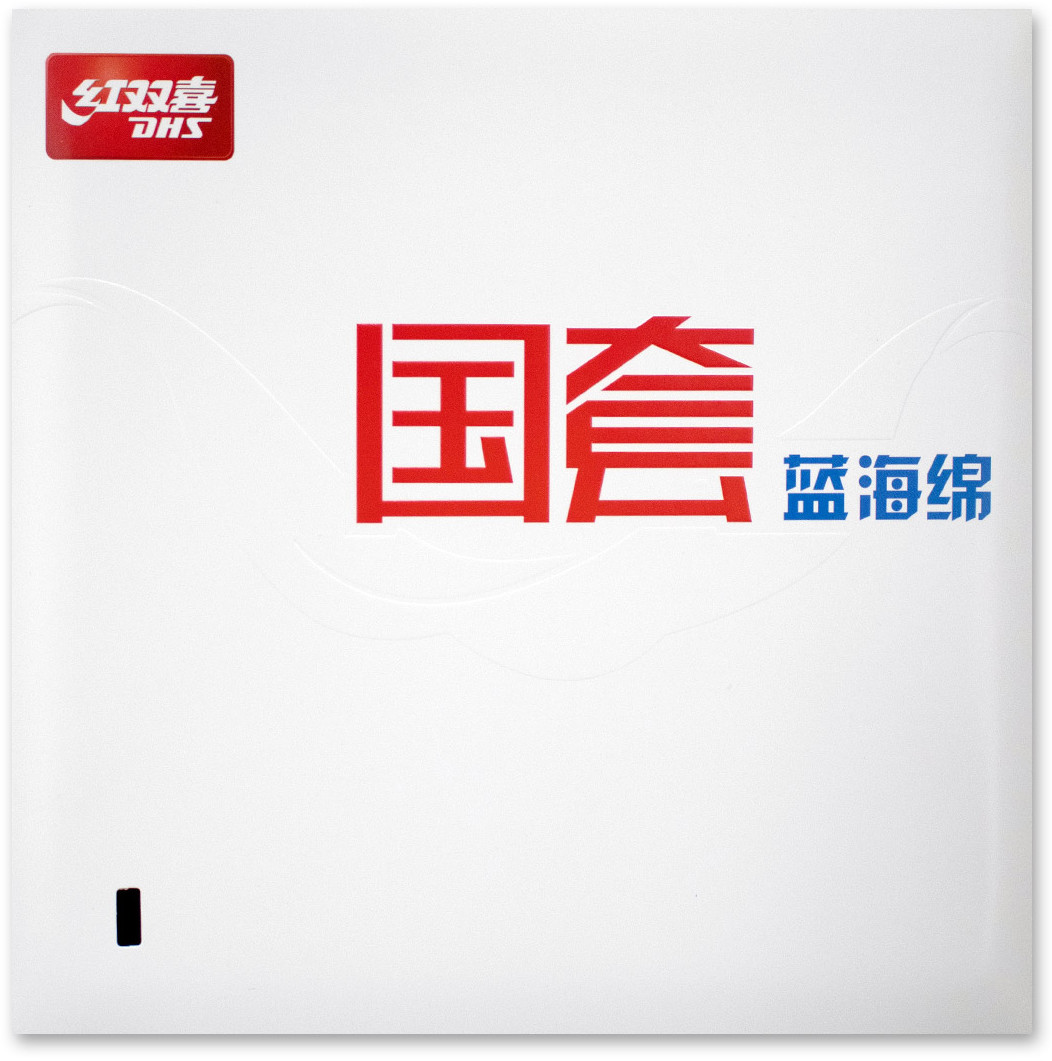
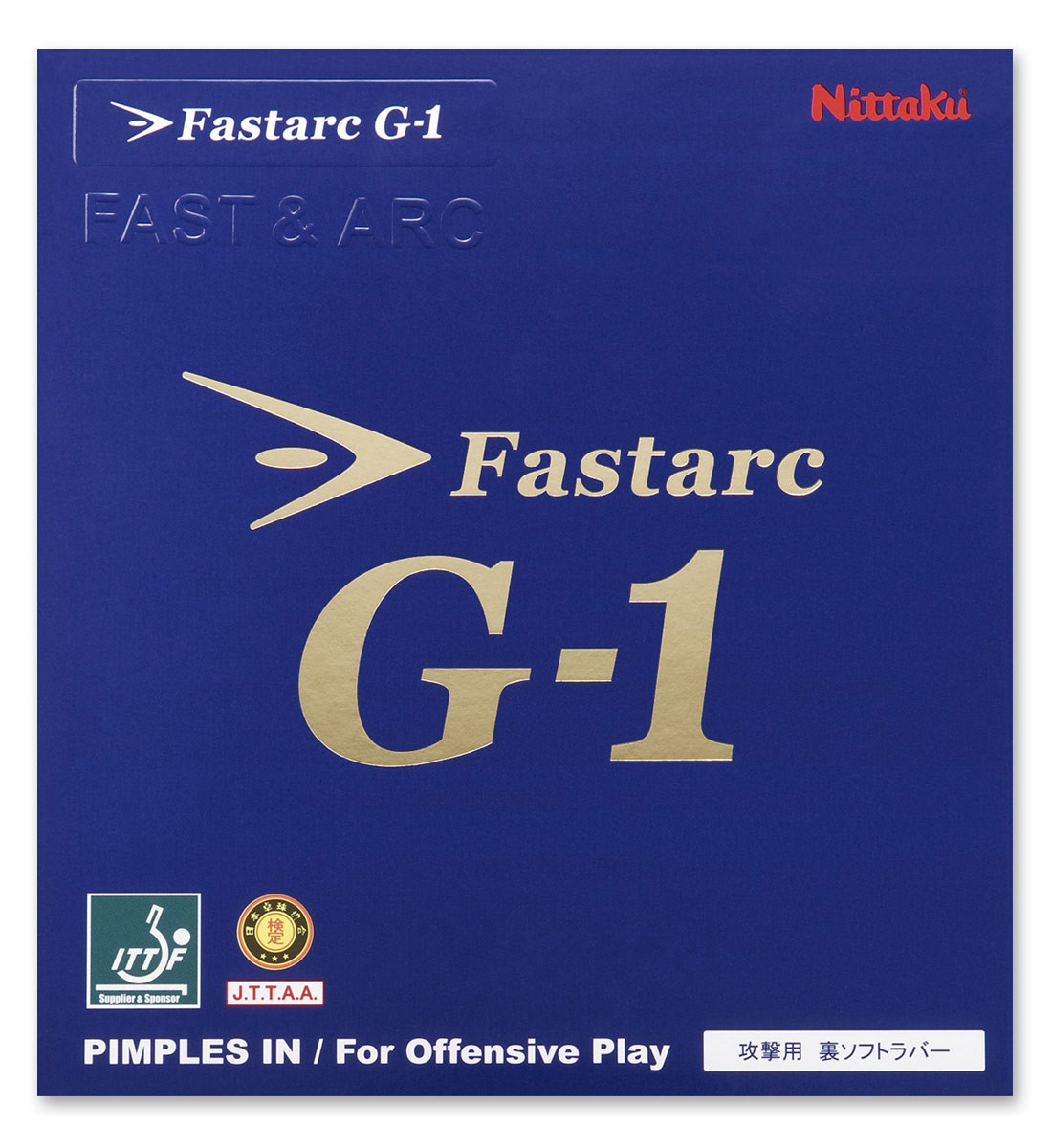
If you want to see just how different two high-level attacking rubber recommendations can be, this is the pair to look at. DHS Hurricane 3 National Blue Sponge scores 8.5 on tackiness; Nittaku Fastarc G-1 scores 2.5. That’s a 6-point spread on this radar, by far the largest single-axis gap anywhere in this dataset, and it means these two rubbers physically interact with the ball in almost opposite ways. National is a genuinely tacky, grippy Chinese-style sheet; Fastarc G-1 is a smooth, springy tensor. If you’ve only ever played with one style, switching to the other will not feel like a minor equipment change, it will feel like relearning your serve spin and your loop timing.
Throw: an even bigger swing, in the other direction
Throw runs 5.6 for National versus 8.5 for Fastarc G-1, a 2.9-point gap, the second-largest on this radar. Fastarc G-1’s own sourced pros lead with exactly this: a high, safe throw that makes opening loops against backspin consistent and forgiving. National’s cons confirm the opposite experience: low throw angle makes consistent looping harder to learn. Put simply, Fastarc G-1 catapults the ball up and out in a higher, more forgiving arc; National keeps the ball low and flat, demanding that you generate the arc yourself with technique rather than letting the rubber do it. That is arguably a bigger practical difference than the tackiness number, because throw angle is what determines whether your opening loop against backspin clears the net safely or not.
Control, speed and spin all favor National — but read the fine print
Control shows a 1.2-point gap (9.2 vs 8.0), speed 1.1 points (9.2 vs 8.1), and spin 0.7 points (9.6 vs 8.9), all favoring National. Taken alone, that reads as National simply being the better rubber. But National’s own sourced cons list is unusually demanding: it requires a week of boosting preparation, is physically very demanding with real overuse-injury risk for weaker players, and carries high counterfeit risk due to limited genuine supply. Fastarc G-1’s sourced pros counter with a very different value proposition: Tenergy-like durability that drops off very slowly over months, and a 1.4-point durability edge in the numbers (8.4 vs 7.0) confirms it, National wears out and needs replacing sooner, on top of everything else it demands.
What the sources actually recommend these rubbers for
Racket Insight and Megaspin frame National around elite, Chinese-style forehand loopers who already commit to a demanding maintenance ritual. Tabletennis11’s Fastarc review and Racket Insight’s separate Fastarc G-1 review instead describe a proven, hugely popular all-court attacking rubber for either wing aimed at intermediate-to-advanced players who want real spin and speed without the boosting requirement or supply-authenticity gamble.
Should you switch?
If you play with Fastarc G-1 and are tempted by National’s higher raw axis numbers, be honest about whether you’re ready for a rubber that needs a week of boosting, wears out faster, and comes with genuine counterfeit risk, plus a throw angle nearly 3 points lower, meaning your loop technique will need to compensate for a flatter, lower-arcing ball. Moving from National to Fastarc G-1 is the lower-friction direction: you give up some peak spin and control but gain a forgiving high arc, Tenergy-like longevity, and a rubber you can buy with confidence.
Bottom line by player type
Advanced and elite Chinese-forehand-loop players with high swing speed, prepared to boost and hunt down genuine stock: DHS Hurricane 3 National Blue Sponge. Intermediate-to-advanced all-court attackers on either wing who want heavy spin and real speed with a forgiving, safe arc and low-maintenance durability: Nittaku Fastarc G-1.
Frequently asked questions
What does a 6-point tackiness gap actually feel like?
It's the difference between a grippy, tacky Chinese-style sheet (National, 8.5) and a smooth, non-tacky tensor (Fastarc G-1, 2.5) — serve spin generation and the way the ball releases off the sponge will feel fundamentally different, not just faster or slower.
Which rubber is safer for opening loops against backspin?
Nittaku Fastarc G-1, by a wide margin — its throw score of 8.5 versus National's 5.6 (a 2.9-point gap) reflects a higher, more forgiving arc that its own sourced pros highlight directly.
Do I need to boost the Fastarc G-1 like I would National?
No — Fastarc G-1's sourced cons don't mention a boosting requirement, and it's praised for Tenergy-like durability that holds up over months, unlike National which requires about a week of boosting prep.
Is DHS Hurricane 3 National Blue Sponge worth the counterfeit risk?
Only if you're an advanced player with high swing speed who specifically wants its higher control, speed and spin scores and is willing to source it carefully — sources flag genuine supply as very limited and counterfeit risk as high.