DHS Gold Arc 5 vs Xiom Vega Pro: Which Should You Buy?
| DHS Gold Arc 5 | Xiom Vega Pro | |
|---|---|---|
| Our rating | 8.0/10 | 8.5/10 |
| best_side | backhand | both |
| control | very high | medium-high |
| speed | ALL-OFF | offensive |
| spin | high | high |
| sponge_hardness | 42.5 deg | 47.5° |
| type | inverted | tensor inverted |
| weight_uncut_g | 71 | 69 |
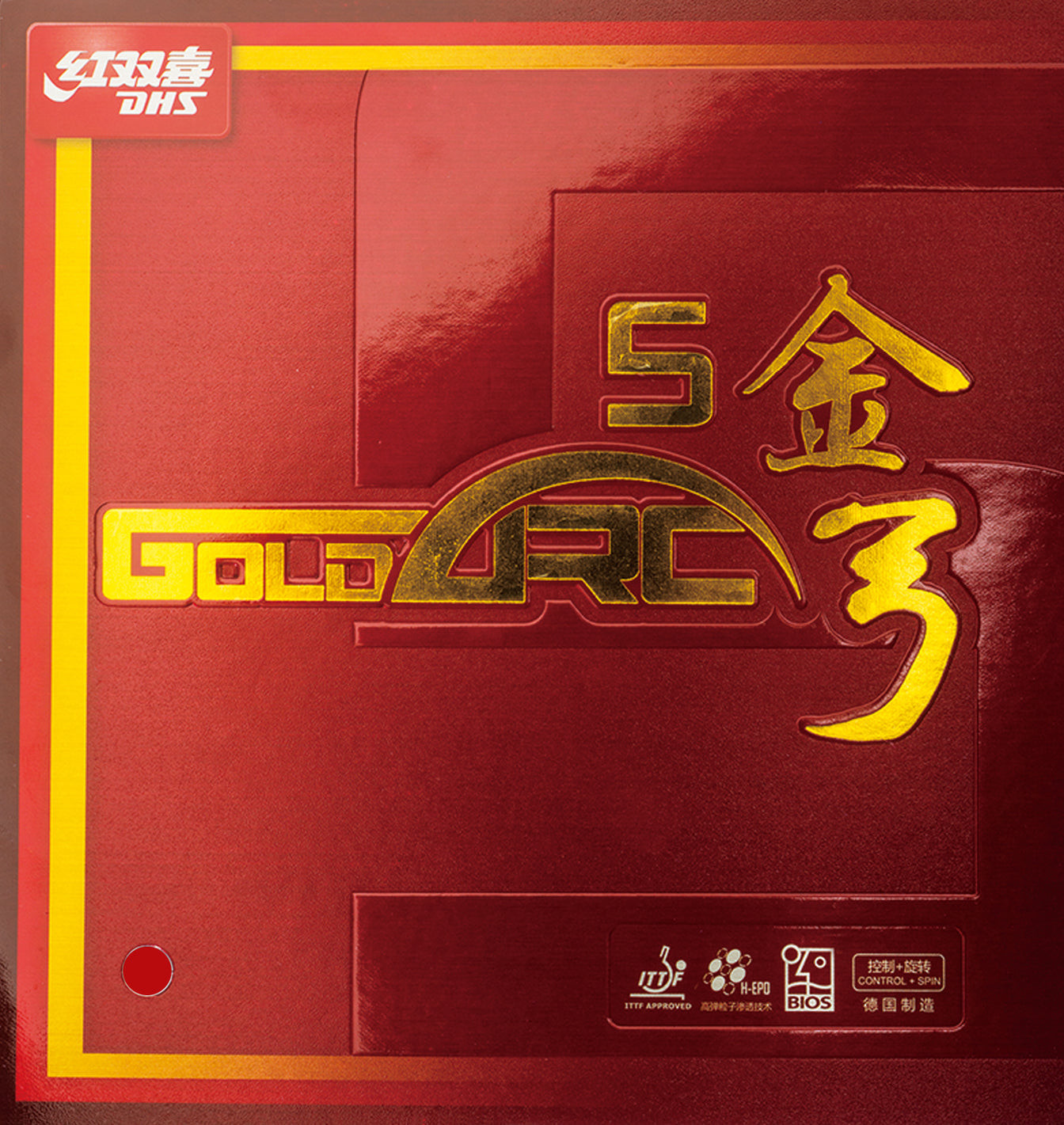
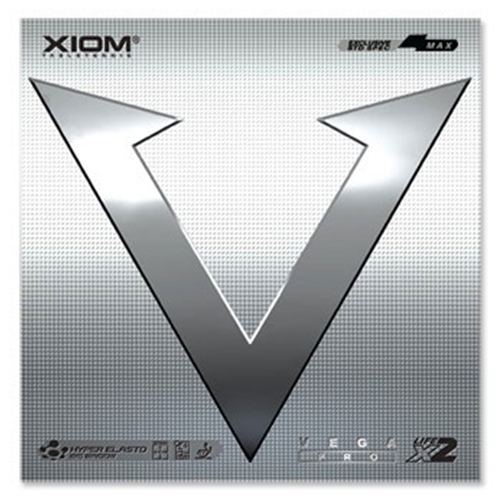
We may earn a commission from links on this page. Learn more.
DHS Gold Arc 5 and Xiom Vega Pro offer contrasting approaches to mid-range equipment. Arc 5 is non-tensor, ultra-predictable, and durable for control-first builders. Vega Pro is a medium-hard tensor that prioritizes linear, predictable response alongside offensive capability—you get the speed you ask for without catapult surprises, paired with solid spin.
Vega Pro excels at close-to-mid-table attacking and counter-hitting through its unusual linearity and controllable forehand performance on stiff blades. Arc 5 excels at pure close-table control and forgiveness. Vega Pro is notably heavier at around 70g and does soften after weeks or months, raising throw slightly. Arc 5 is lighter and more stable over time. Vega Pro suits close-to-mid-table attackers who want spin-first, linear control forehand play; Arc 5 suits budget-conscious learners and dedicated backhand players. Neither will disappoint on spin—the gap opens at speed and throw angle.
FAQ
Can Vega Pro work on the backhand?
Yes, but it feels better on the forehand and stiff blades. Arc 5 is more naturally suited to the backhand.
How does Vega Pro compare to premium tensors?
It is roughly half the price, with comparable spin and much better predictability. Speed ceiling is moderate—advanced attackers may outgrow it.
Is Vega Pro a good stepping stone?
Yes. It teaches tensor response with linear feel and affordability. Progress to harder tensors afterward.
How stable is Vega Pro over time?
The sponge softens noticeably after a few weeks or months, raising throw. Arc 5 is more consistent.