DHS Gold Arc 5 vs Nittaku Fastarc G-1: Which Should You Buy?
| DHS Gold Arc 5 | Nittaku Fastarc G-1 | |
|---|---|---|
| Our rating | 8.0/10 | 8.8/10 |
| best_side | backhand | both |
| control | very high | medium-high |
| speed | ALL-OFF | 15.0 (Nittaku) |
| spin | high | 12.5 (Nittaku) |
| sponge_hardness | 42.5 deg | 47.5° |
| type | inverted | tensor inverted |
| weight_uncut_g | 71 | 69 |
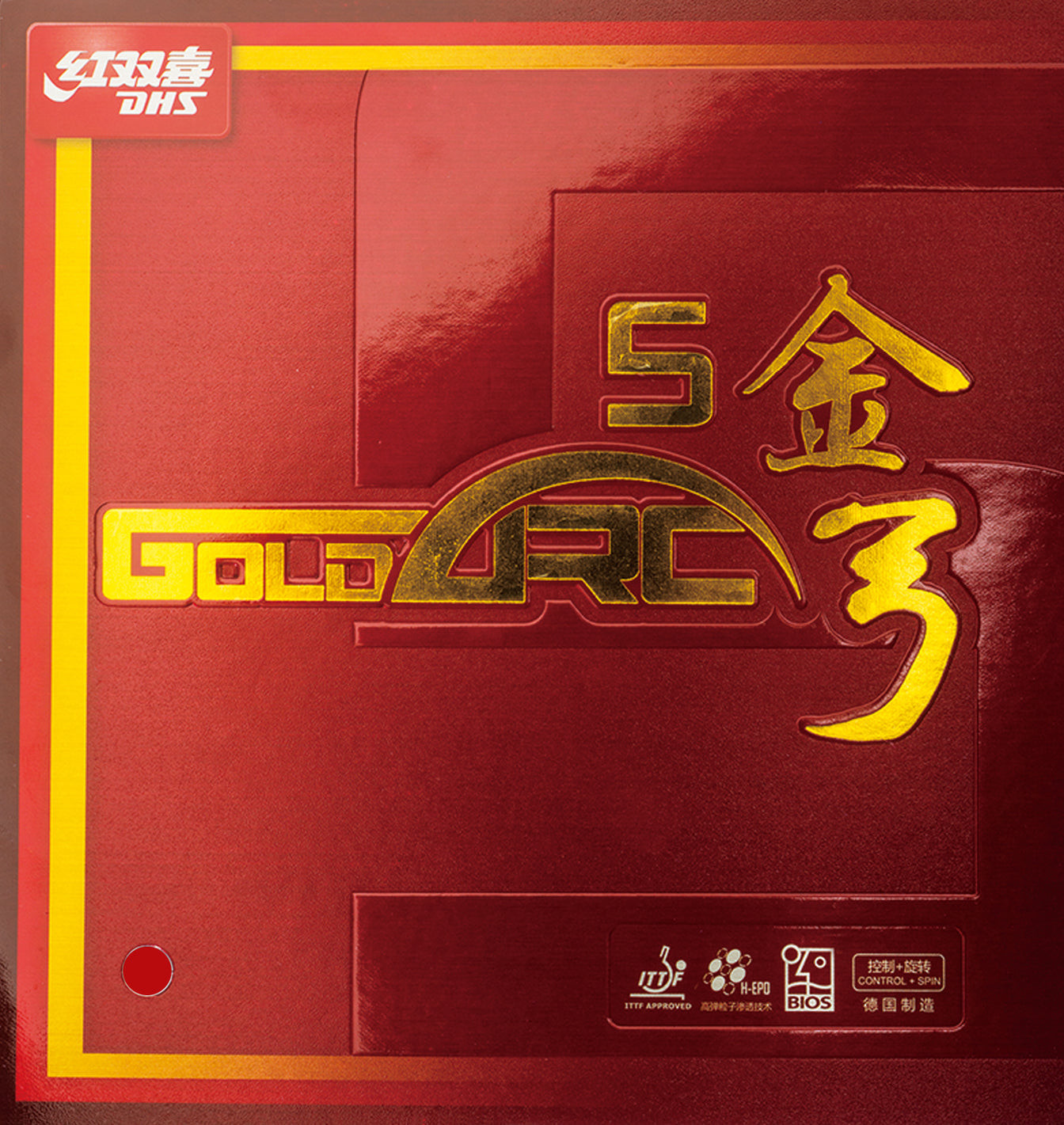
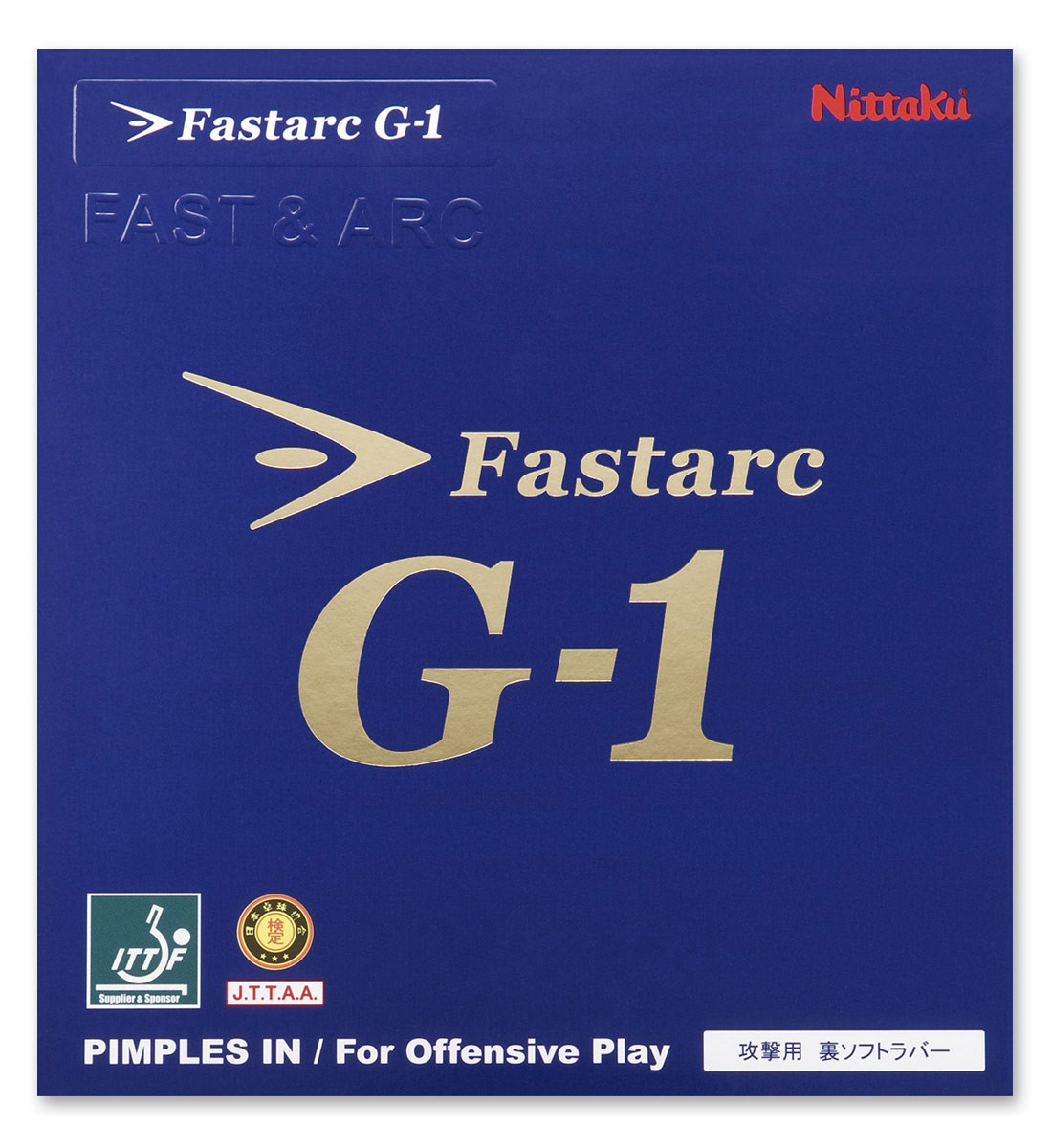
We may earn a commission from links on this page. Learn more.
DHS Gold Arc 5 and Nittaku Fastarc G-1 sit at opposite ends of the equipment spectrum. Gold Arc 5 is a budget, non-tensor, ultra-predictable ALL-OFF rubber that suits players refining stroke mechanics without distractions. Fastarc G-1 is a Tenergy-class tensor with heavy spin, real speed, a proven track record in elite competition, and a safe high arc that makes opening loops forgiving and consistent.
G-1 is objectively stronger at speed, spin and throw angle, but demands commitment and technique. Gold Arc 5 is ideal for learning because it penalizes mistakes less and costs far less. G-1 earns its reputation for durability and performance across all distances. If you want a rubber for a decade of steady club play and can afford premium pricing, G-1 is the investment. If you are building foundation skills or training juniors, Gold Arc 5 is the smarter purchase.
FAQ
Which rubber is better for advanced attackers?
Fastarc G-1 without question. It delivers Tenergy-class spin and speed on both wings, durability that inspires confidence, and a forgiving arc that rewards powerful strokes.
Can I use Gold Arc 5 at advanced levels?
Yes, but as a backhand-only or defensive rubber. Its speed ceiling is real—you will eventually outgrow it for forehand attacking play.
How much heavier is G-1?
G-1 weighs roughly 69g uncut versus Arc 5’s 71g, so they are very similar. Both are on the heavier side for their respective classes.
What is the price difference?
Gold Arc 5 costs a fraction of G-1. G-1 is premium pricing, but the durability and performance justify it for serious players.