Butterfly Tenergy 80 vs Nittaku Fastarc P-1: Which Should You Buy?
| Butterfly Tenergy 80 | Nittaku Fastarc P-1 | |
|---|---|---|
| Our rating | 8.8/10 | 7.8/10 |
| best_side | both | forehand |
| control | medium-high | 8.5 |
| speed | 13.5/14 | 15.5 |
| spin | 11.2/12 | 12.25 |
| sponge_hardness | 36° | 47.5 degrees |
| type | tensor inverted (Spring Sponge) | tensor |
| weight_uncut_g | 67 | 70 |
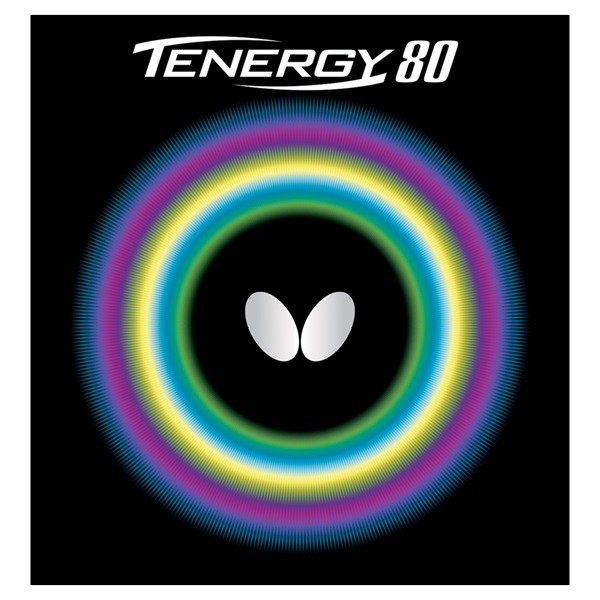
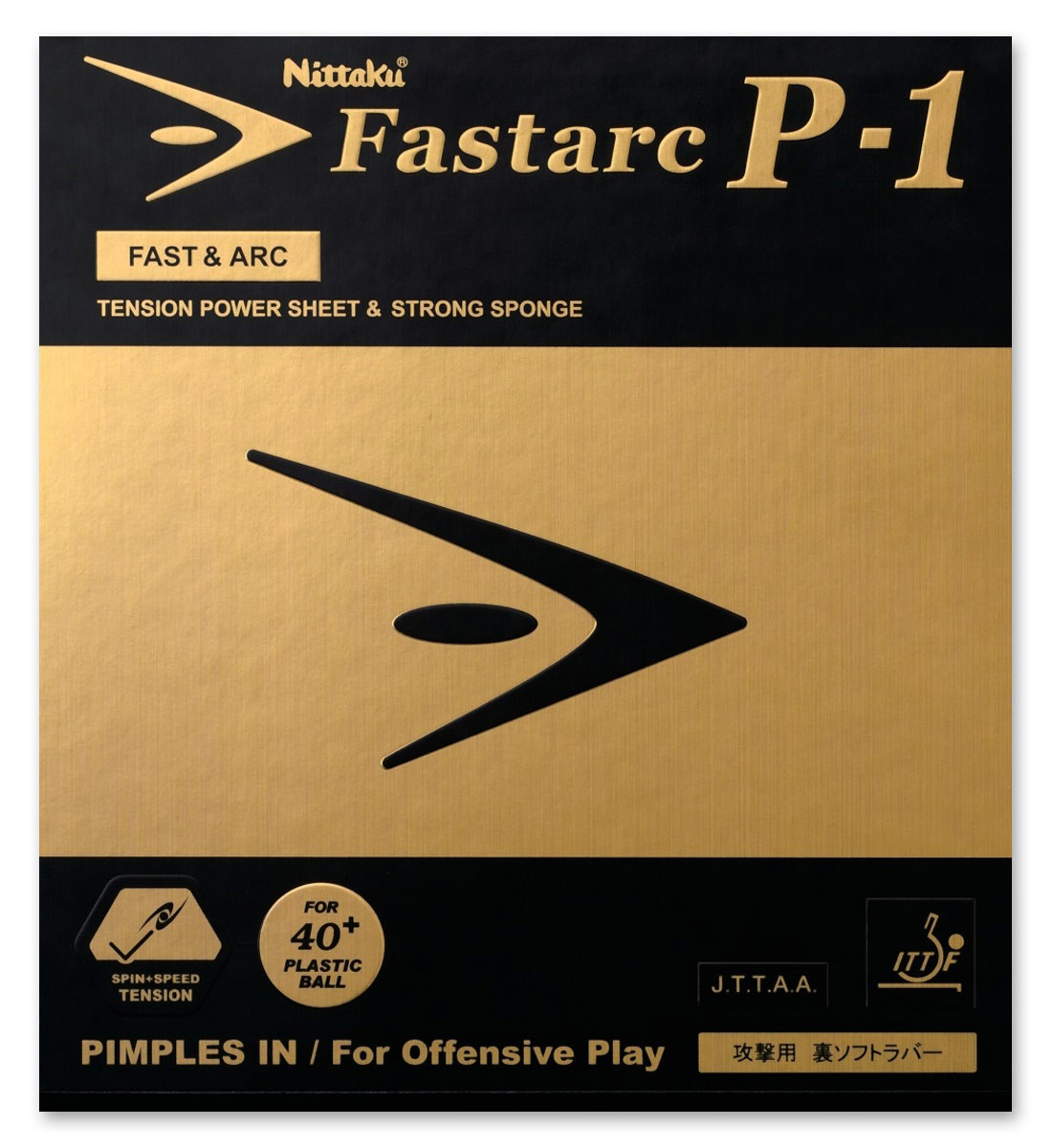
We may earn a commission from links on this page. Learn more.
Tenergy 80 is a spring-sponge tensor with direct speed and forgiving dwell that works reliably across blade types. The Nittaku Fastarc P-1 is a true tensor favoring spin and safety over catapult, requiring full-body commitment to power loops and suited mainly for forehand attackers.
Tenergy 80 forgives tentative technique and blocks with ease. The P-1 is genuinely linear and demands precision—it rewards clean, technically sound strokes but punishes arm-only swings. Choose Tenergy 80 for all-court flexibility and blocking; choose the P-1 if you have advanced forehand mechanics and prioritize spin safety.
FAQ
Which rubber is heavier?
Fastarc P-1 at 70g uncut versus Tenergy 80 at 67g. The extra weight affects racket balance and fatigue over long sessions.
Why is Fastarc called demanding?
It is linear and unforgiving of tentative or arm-only strokes. Full body commitment is essential; half-effort loops go long or weak.
Which is better for blocking?
Tenergy 80. Its medium-low throw and forgiving sponge make blocking passive and active work smoothly.
Can I use Fastarc P-1 on backhand?
Not recommended. It is optimized for forehand power loops only.