Butterfly Tenergy 80 vs Nittaku Fastarc C-1: Which Should You Buy?
| Butterfly Tenergy 80 | Nittaku Fastarc C-1 | |
|---|---|---|
| Our rating | 8.8/10 | 8.4/10 |
| best_side | both | backhand or allround |
| control | medium-high | high |
| speed | 13.5/14 | 15.25 (Nittaku scale) |
| spin | 11.2/12 | 12.25 (Nittaku scale) |
| sponge_hardness | 36° | 45 degrees |
| type | tensor inverted (Spring Sponge) | inverted / tensor |
| weight_uncut_g | 67 | approx 47 g (157 x 150 mm sheet) |
We may earn a commission from links on this page. Learn more.
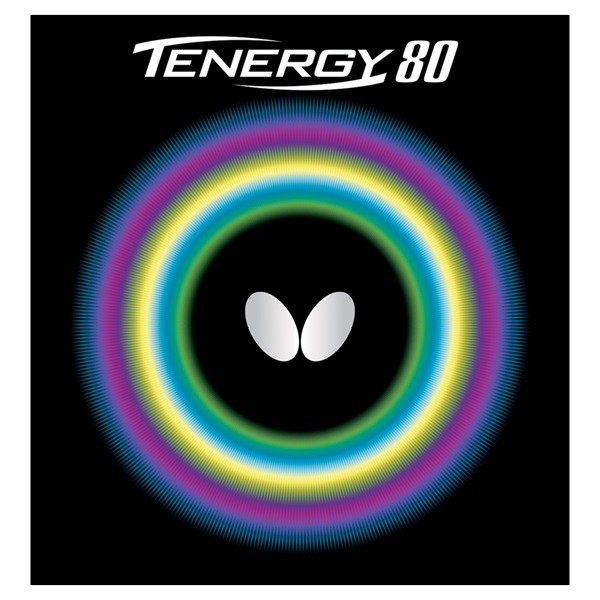
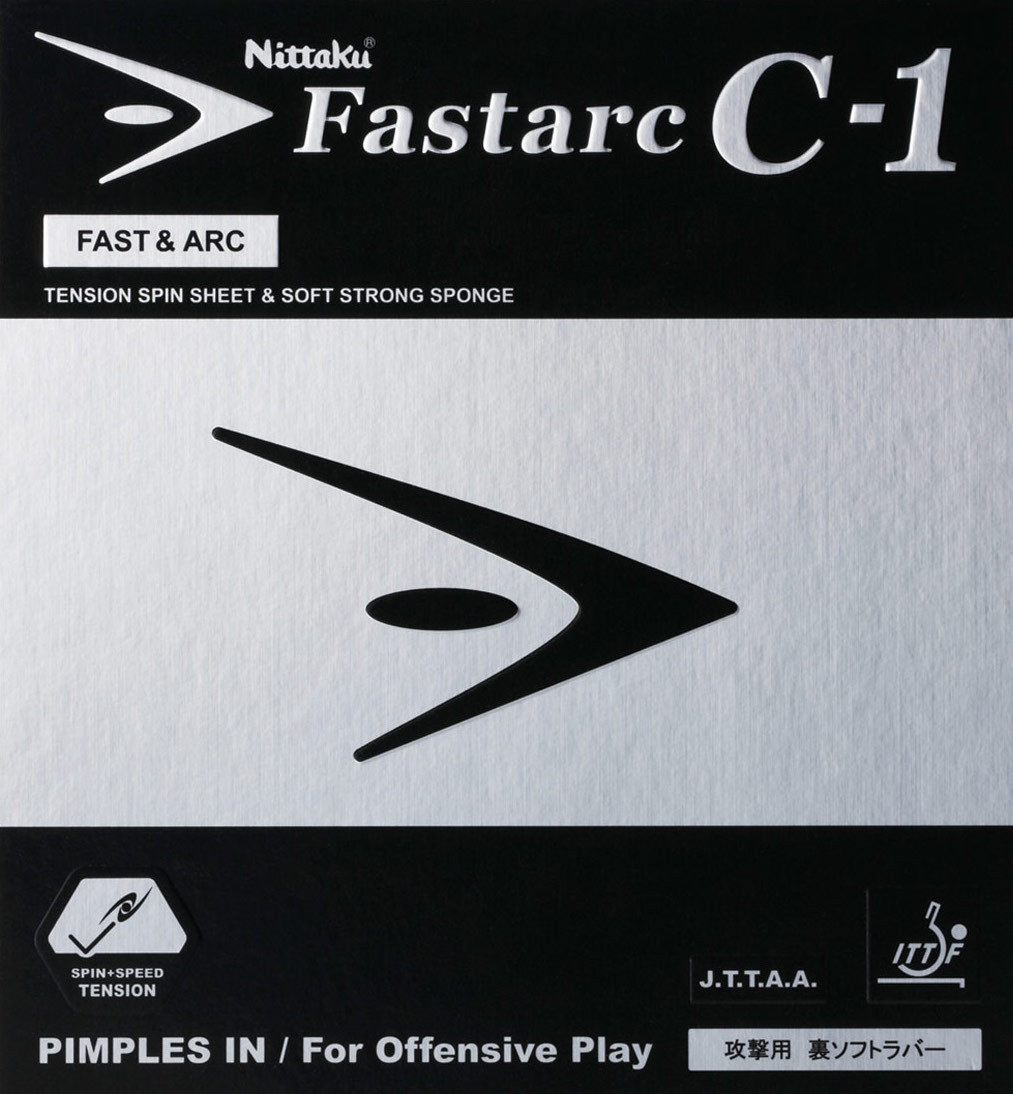
The Tenergy 80 is a faster, more direct rubber that excels at mid-distance and serves, winning points on offensive speed and mid-table versatility. The Fastarc C-1 offers more spin output and an easier opening loop, plus better value, but caps out at mid-range speed and requires more active technique.
Choose the Tenergy 80 if you attack aggressively from mid-distance and want elite blocking alongside premium speed. Choose the Fastarc C-1 if you loop heavily close to the table, play intermediate club level, and want a forgiving arc-focused rubber at a lower cost. The Tenergy 80 pairs better with stiffer blades, while the Fastarc C-1 is more allround-friendly.
FAQ
Which rubber has more spin?
Fastarc C-1 generates more raw spin on opening loops and passive strokes, thanks to its grippier topsheet. Tenergy 80 trades some spin for speed and more consistent stroke feedback.
Which is easier to use close to the table?
Fastarc C-1 is more forgiving with its high arc and easier dwell. Tenergy 80 requires better timing on push-blocks due to its springy sponge, though it rewards good technique.
Are they both suitable for backhand?
Yes, though Fastarc C-1 is commonly used as a backhand option, while Tenergy 80 excels on both wings equally.
How do they rank on durability?
Fastarc C-1 has a notably durable topsheet. Tenergy 80 is reliable but costlier to replace overall due to premium pricing.