Butterfly Tenergy 80 vs Donic Bluefire M3: Which Should You Buy?
| Butterfly Tenergy 80 | Donic Bluefire M3 | |
|---|---|---|
| Our rating | 8.8/10 | 8.3/10 |
| best_side | both | backhand |
| control | medium-high | High |
| speed | 13.5/14 | Medium-high (ALL+ to OFF-) |
| spin | 11.2/12 | Very high |
| sponge_hardness | 36° | 40 degrees (ESN), approximately 33-34 degrees Shore A |
| type | tensor inverted (Spring Sponge) | inverted |
| weight_uncut_g | 67 | 47 |
We may earn a commission from links on this page. Learn more.
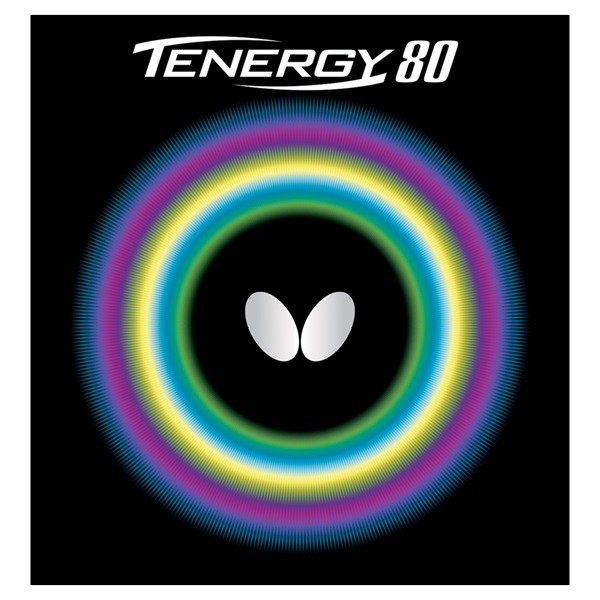
The Tenergy 80 and Bluefire M3 serve different playing styles. Tenergy 80 is faster and more direct, delivering elite blocking and mid-distance versatility with lower spin sensitivity—ideal for offensive players who already have sound stroke mechanics. It rates slightly higher overall.
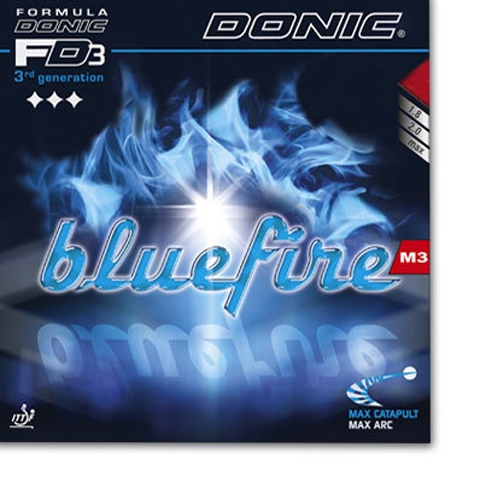
Bluefire M3 excels at pure topspin generation with exceptional dwell time and forgiveness on mishits. Its softer character makes it loader-friendly for brushy loops and banana serves, but durability suffers and it can feel sluggish on soft blades.
Choose Tenergy 80 for all-around aggression and speed; pick Bluefire M3 if spin consistency and loop forgiveness matter more than outright pace.
FAQ
Which rubber is more forgiving?
Bluefire M3 is softer and more forgiving on off-center contact. Tenergy 80’s springy sponge can pop pushes up at close range until you adjust.
Which is better for control?
Bluefire M3 offers higher control ratings and is better suited to spin-first looping. Tenergy 80 prioritizes speed and offensive versatility over pure control.
What about durability?
Tenergy 80 is more durable. Bluefire M3’s topsheet grip fades within months under heavy use, particularly on the black side.
Which blade pairs best with each?
Tenergy 80 plays best on a 5-ply OFF blade where it’s less bouncy. Bluefire M3 works better with stiffer or faster OFF-class blades to compensate for its slower speed.