Butterfly Tenergy 64 vs Stiga DNA Pro M: Which Should You Buy?
| Butterfly Tenergy 64 | Stiga DNA Pro M | |
|---|---|---|
| Our rating | 8.6/10 | 8.5/10 |
| best_side | both wings, but especially the backhand and for speed-first attackers | Forehand or Backhand |
| control | medium-high | High |
| speed | very high | OFF+ |
| spin | high but the lowest of the Tenergy line | Very High |
| sponge_hardness | approximately 36 degrees on the Butterfly scale (around 48 degrees ESN, plays nearer 45) | 47.5 degrees ESN |
| type | spring sponge high tension tensor, inverted topsheet | Inverted / Pimples-In |
| weight_uncut_g | approximately 70 (around 47 g cut at 2.1 mm) | 69 |
We may earn a commission from links on this page. Learn more.
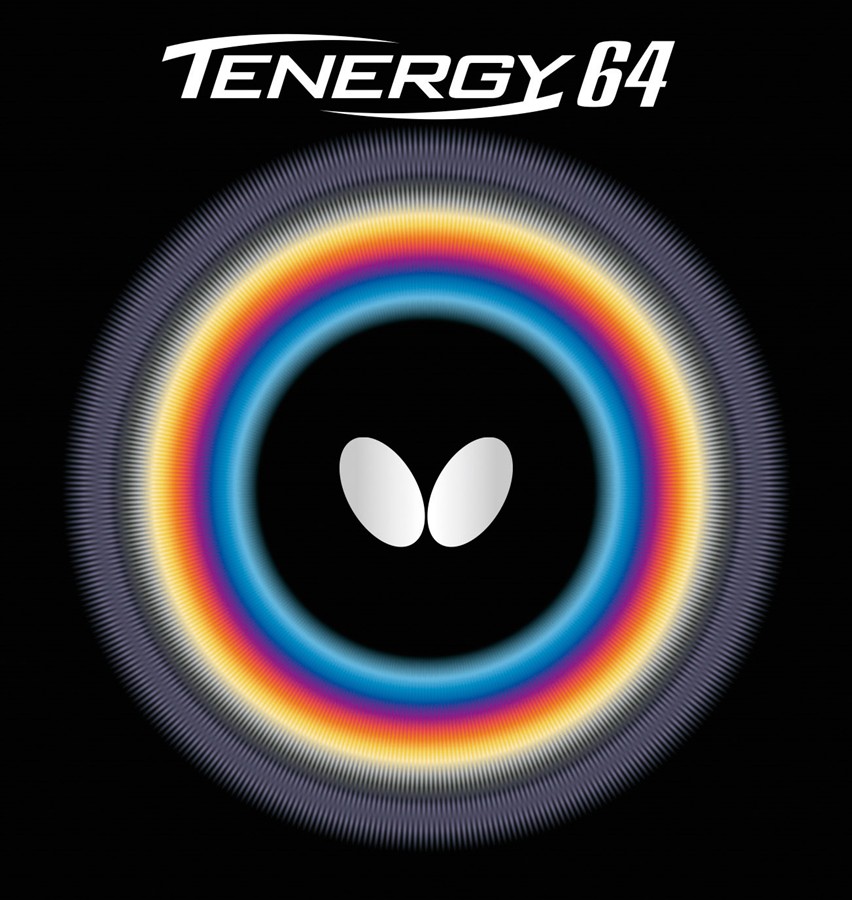
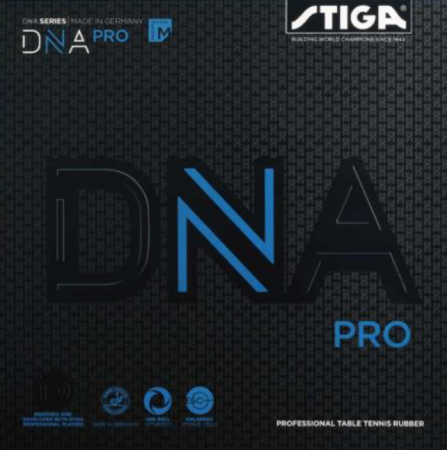
Both are intermediate-to-advanced tensors with comparable ratings, but they emphasize different strengths. The Tenergy 64 is the fastest of the Tenergy line and shines in spin-insensitive defense — its easy blocking, punching, and counter-play against spinny balls make it ideal for players who want speed without getting dragged around by incoming spin. The DNA Pro M, meanwhile, balances speed and spin more evenly, with a grippy topsheet that rewards correct technique and generates excellent spin without much effort.
The Tenergy 64 suits direct hitters and defensive specialists, especially on the backhand, while the DNA Pro M works well as a both-sides rubber for all-round attackers. Weight-wise, the Tenergy is lighter at 47g cut versus DNA’s heftier feel, which may appeal to lighter-setup builders. One key trade-off: the DNA forgives small technique errors with its medium-high arc, but the Tenergy demands more precision on serves and passive blocks. Durability-wise, the DNA is a known weakness — it only lasts four to five months under regular training compared to the Tenergy’s longer proven life.
FAQ
Which generates more spin?
The Stiga DNA Pro M produces more spin with its very grippy topsheet. The Tenergy 64 is the lowest-spin Tenergy rubber and prioritizes speed and consistency over raw spin output.
Which is better for beginners?
The DNA Pro M is more forgiving overall, but neither is a beginner rubber. The DNA’s medium-high arc reduces net errors, making it slightly safer for developing players who hit with good technique.
Which lasts longer?
The Tenergy 64 has proven long-term durability from its proven spring sponge build. The DNA Pro M fades faster, lasting only four to five months under regular training, and its tackiness degrades noticeably.
Which is lighter?
The Tenergy 64 at approximately 47g cut is lighter than the DNA Pro M, making it better for players building ultralight setups.