Butterfly Tenergy 05 Hard vs Loki RXTON 1: Which Should You Buy?
| Butterfly Tenergy 05 Hard | Loki RXTON 1 | |
|---|---|---|
| Our rating | 8.5/10 | 8.0/10 |
| best_side | forehand | both |
| control | 5.5 | very high |
| speed | 13.0 | low to medium |
| spin | 11.5 | high |
| sponge_hardness | 43 degrees (hard) | medium (around 38-39 degrees Chinese scale, roughly 50-52 ESN) |
| type | tensor | tacky inverted (budget) |
| weight_uncut_g | 71 | 64 |
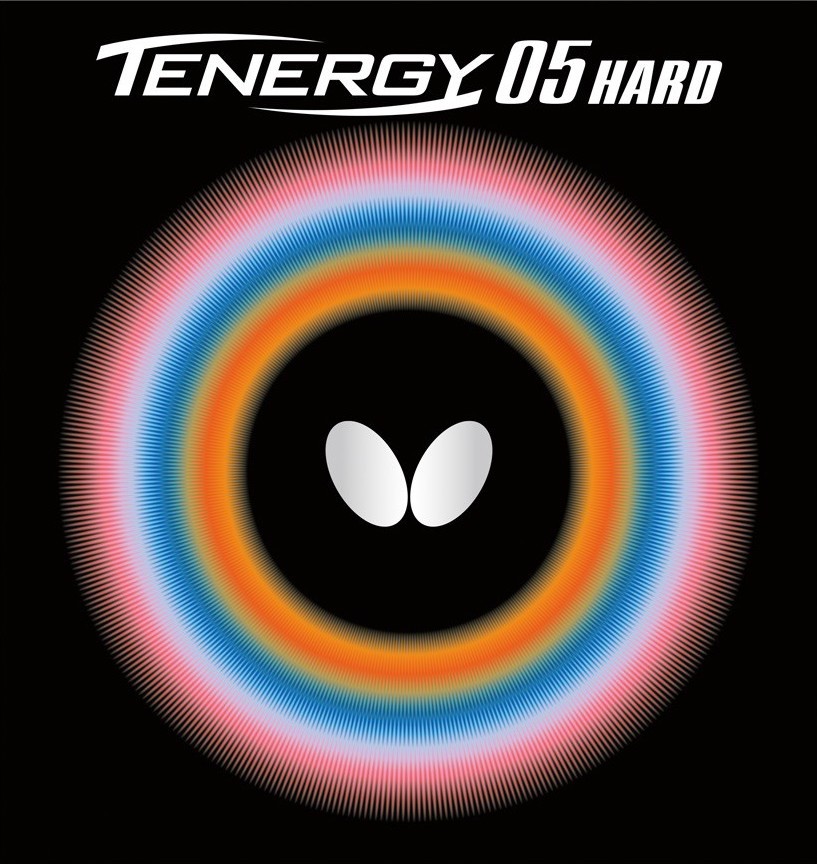
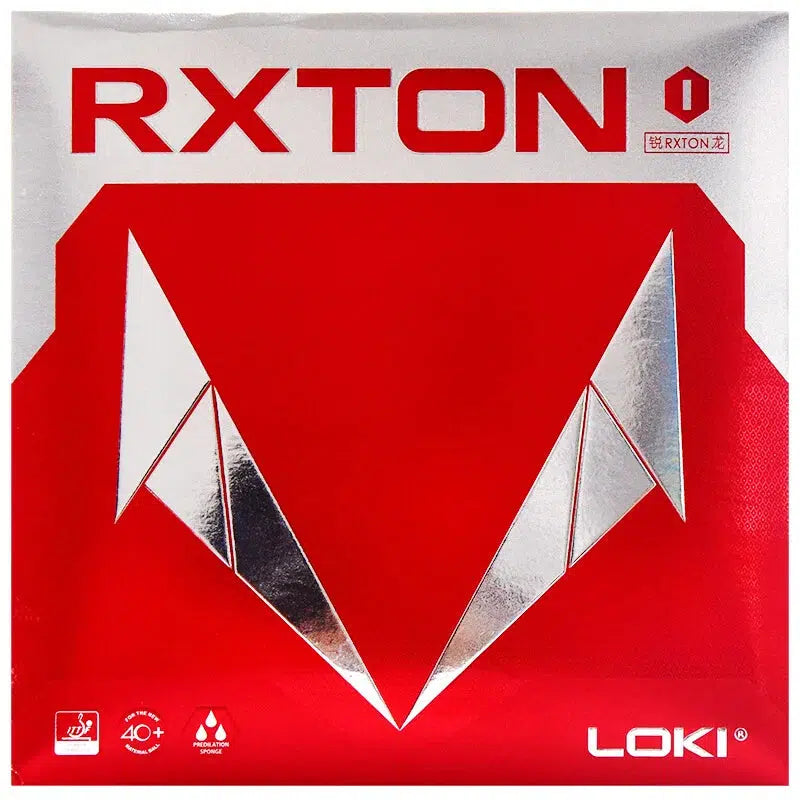
We may earn a commission from links on this page. Learn more.
Tenergy 05 Hard and Loki RXTON 1 serve entirely different player segments. Tenergy 05 Hard is premium forehand aggression for advanced players. RXTON 1 is budget rubber designed for beginners and returning players prioritizing control and replaceability over speed.
RXTON 1 outstanding value at around 15 dollars per sheet makes it ideal for club players and coaches building beginner rackets. Tenergy 05 Hard is an investment in elite performance for competitive players. RXTON 1 is soft and forgiving; Tenergy 05 Hard is demanding. These rubbers occupy entirely different categories.
FAQ
Which is better for beginners?
RXTON 1 is ideal for beginners with high control, light weight, and low cost. Tenergy 05 Hard is far too advanced.
Which is better for developing looping technique?
RXTON 1 offers good, usable spin that rewards consistent strokes. Tenergy 05 Hard punishes learning strokes severely.
Which works better on both wings?
RXTON 1 works on both forehand and backhand. Tenergy 05 Hard is forehand-specific.
Which lasts longer?
Tenergy 05 Hard is more durable. RXTON 1 tackiness wears off over time, but the low cost makes replacement easy.
Can RXTON 1 transition to competitive play?
Players outgrow RXTON 1 quickly. It is a training and development rubber, not a competitive platform.