Butterfly Maze Advance vs Donic Waldner Senso Carbon V1: Which Should You Buy?
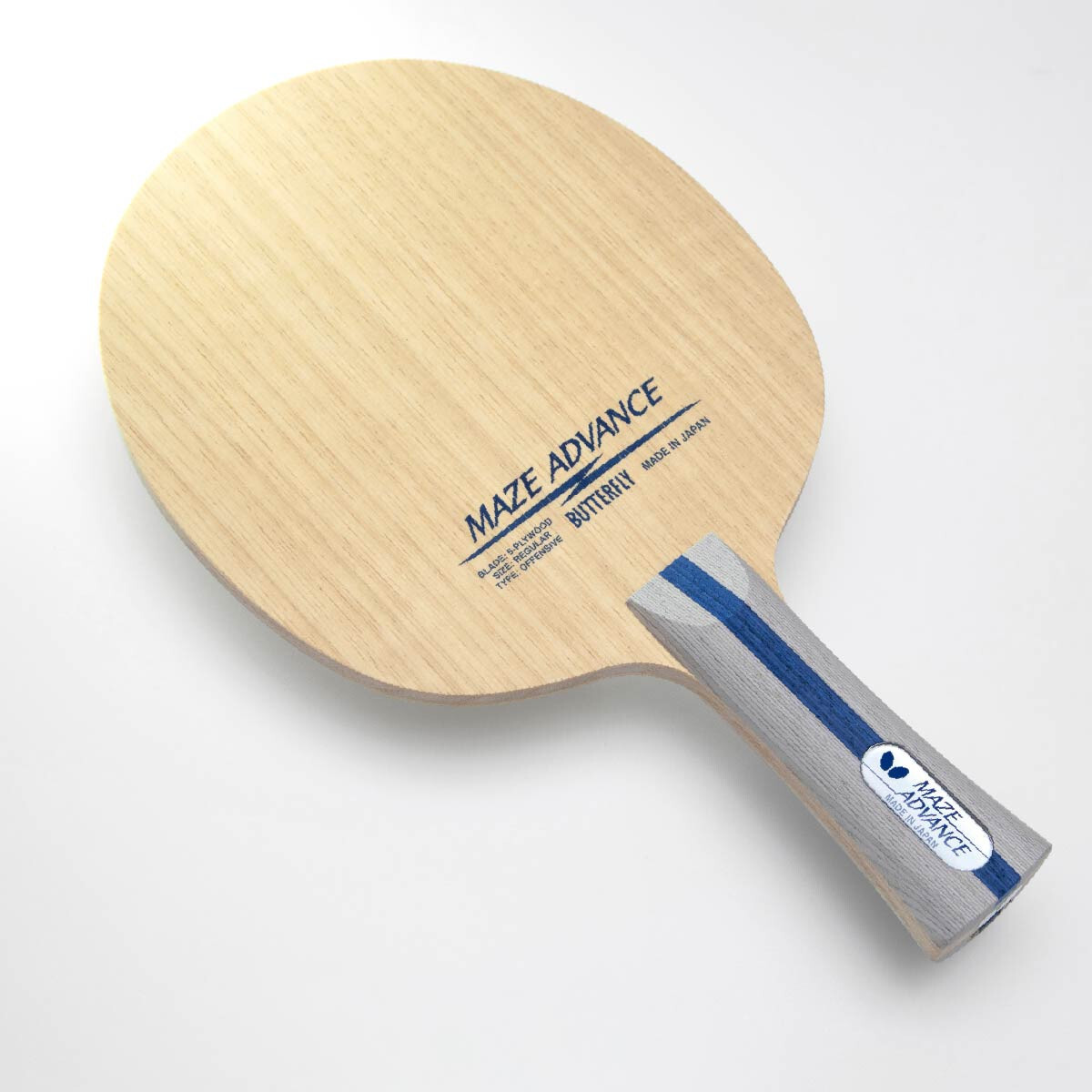
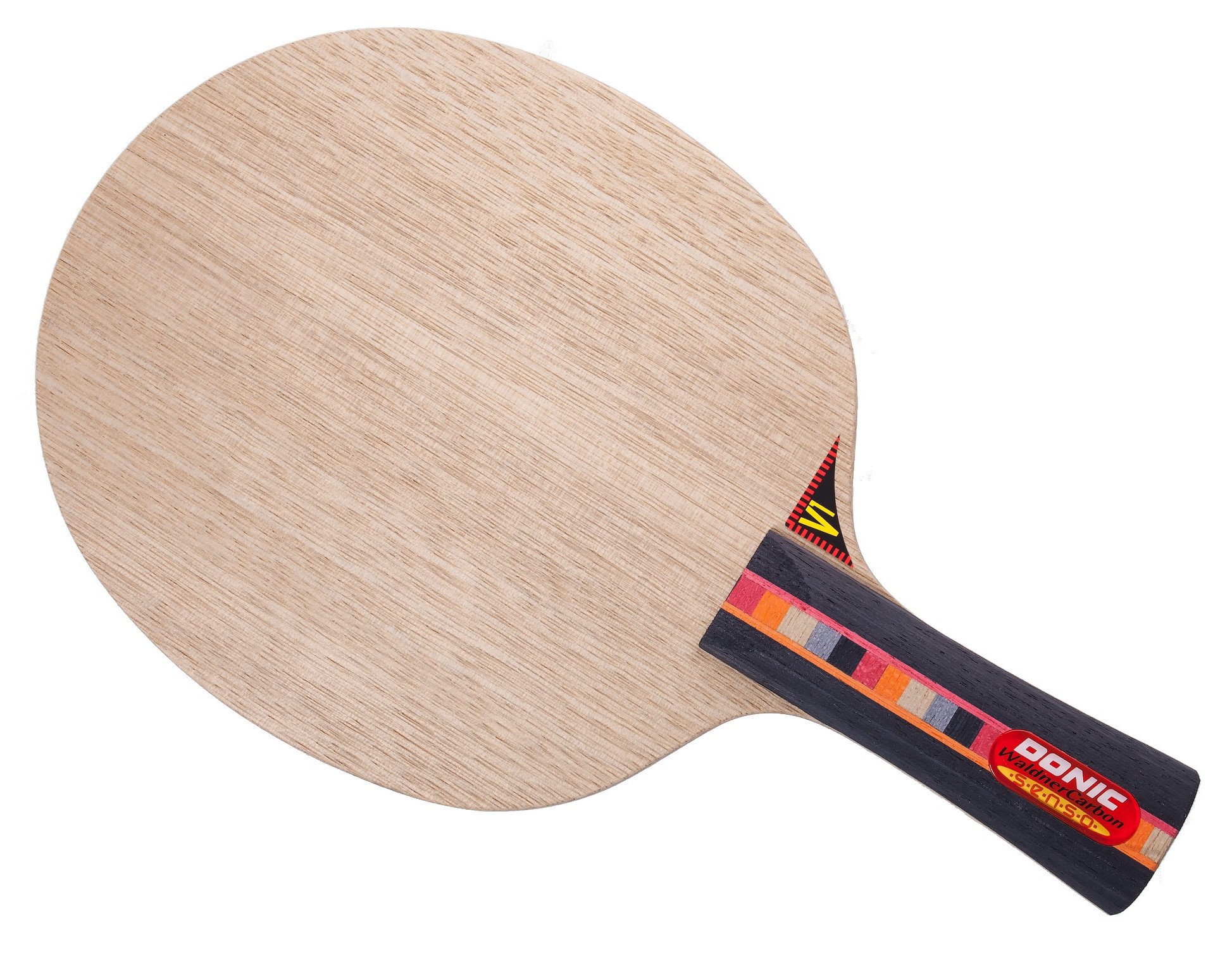
| Butterfly Maze Advance | Donic Waldner Senso Carbon V1 | |
|---|---|---|
| Our rating | 8.2/10 | 8.2/10 |
| feel | soft, controlled, slightly stiff for an all-wood blade | Soft woody feel with carbon kick; elastic and spin-friendly; medium-high throw angle |
| handle | FL | Senso V1 hollow handle (vibration-damping) — FL, AN, ST options |
| plies | 5W (all wood) | 7 plies: 5 wood (Limba outer, Ayous mid) + 2 carbon composite |
| speed | ALL+ | OFF- |
| thickness_mm | 6.7 | 5.6-5.8mm |
| weight_g | 85 | 85-87g |
We may earn a commission from links on this page. Learn more.
Maze Advance is a solid all-wood foundation: lightweight, affordable, and rock-solid for developing players. Donic Waldner Senso Carbon V1 is the natural next step—introducing carbon catapult while preserving wood-like dwell and touch, perfect for close-to-table European loopers moving from all-wood.
Stay with Maze Advance if you’re early in development and want pure all-wood consistency. Upgrade to Senso Carbon if you’ve mastered basic strokes, want your first carbon, and prefer a wood-feeling transition over a dramatic speed jump.
FAQ
How does Senso Carbon feel different from Maze Advance?
Senso adds a carbon kick and higher throw angle, plus hollow Senso V1 handle dampens vibration—noticeably faster but still forgiving.
Why might Senso Carbon misfire with different rubber hardnesses?
Mismatched hardness across forehand and backhand can create resonance; Advance is immune to this rubber-related issue.
Which is better for beginners?
Maze Advance. Senso Carbon’s speed and high throw angle demand better technique; Advance is more forgiving.
Can both play far from the table?
Neither excels far; Senso Carbon speeds drop noticeably at mid-to-far distance, like Advance but more pronounced.