Butterfly Hadraw VK vs Nittaku Septear: Which Should You Buy?
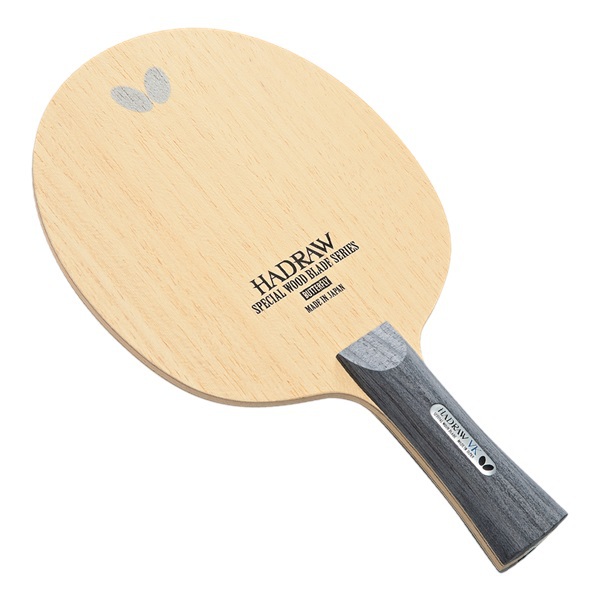
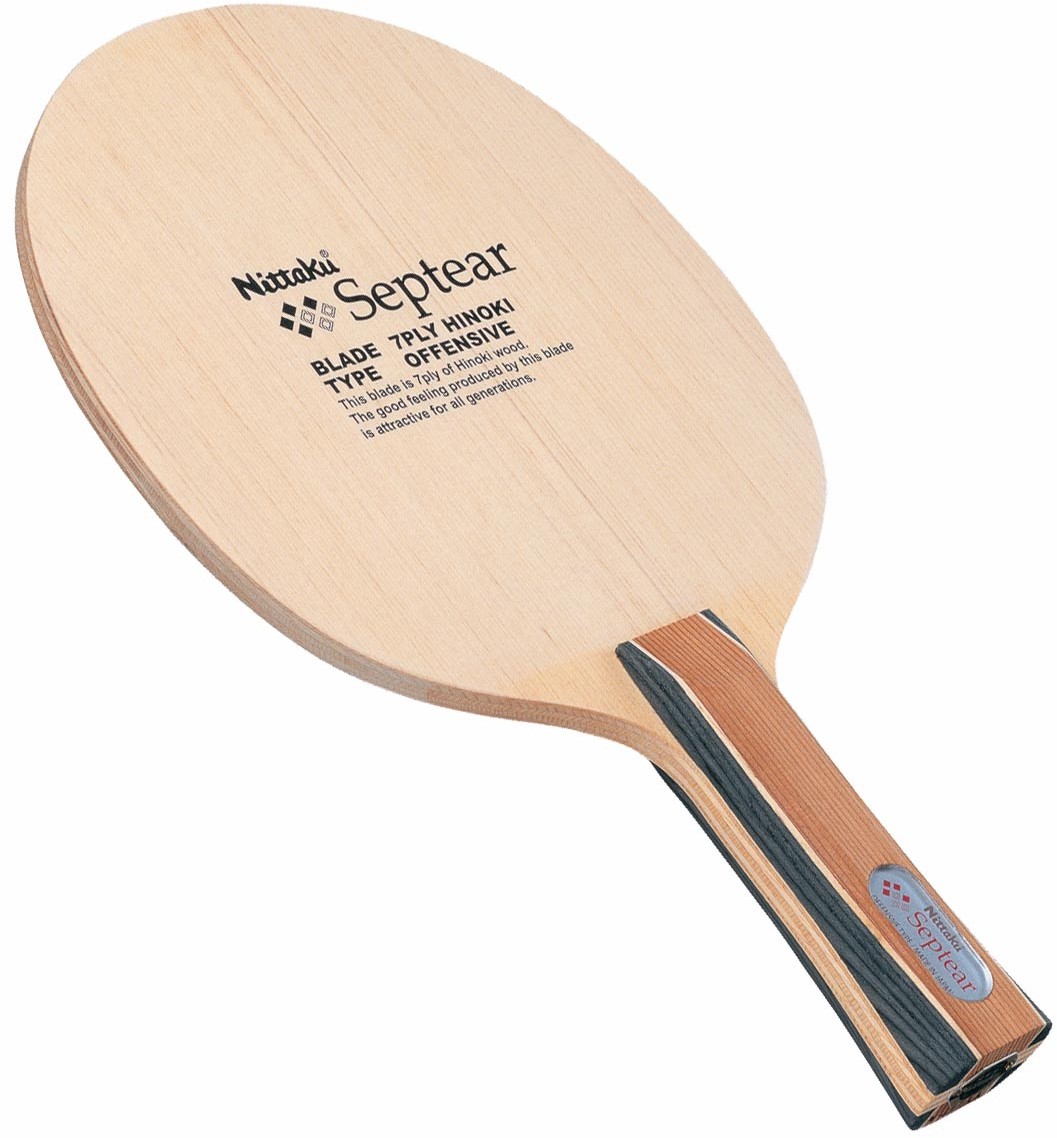
| Butterfly Hadraw VK | Nittaku Septear | |
|---|---|---|
| Our rating | 8.6/10 | 8.2/10 |
| feel | flexible, high dwell, natural wood feedback | Soft with high dwell time |
| handle | FL / ST / AN (Shakehand) | Straight or Concave (flared) |
| plies | 5-ply all wood (Koto outer, Hinoki, Kiri, Ayous core) | 7-ply all wood (Kiso Hinoki) |
| speed | OFF- | ALL+ |
| thickness_mm | 5.7 | 6.7 |
| weight_g | 84 | 85 |
We may earn a commission from links on this page. Learn more.
The Hadraw VK is an intermediate-to-advanced control blade with crisp feedback and versatility across stroke types, suited to players building a complete topspin game.
The Nittaku Septear is a soft, beginner-friendly all-wood blade featuring premium Kiso Hinoki construction. It delivers exceptional control and ball placement precision across all strokes with high dwell time and a forgiving sweet spot. However, it lacks explosive finishing power compared to carbon blades and requires medium-hard to hard sponges, as soft rubbers undermine its potential.
Choose the Hadraw VK if you are intermediate-to-advanced and want to specialize in attacking topspin with refined feedback. Choose Septear if you are developing and prioritize control, touch, and all-round consistency with acceptance of limited power.
FAQ
Which is better for beginners?
Septear is purpose-built for beginners with exceptional forgiveness and feedback.
Which is better for power?
Hadraw VK offers more potential for explosive strokes.
Which requires harder rubber?
Septear performs poorly with soft rubbers and demands medium-hard to hard sponges.
Which is better for touch play?
Both excel at control. Septear is slightly softer; Hadraw VK offers more versatility.
Which handles thin edges better?
Septear’s soft Kiso Hinoki is susceptible to dents. Hadraw VK is more durable.