Butterfly Hadraw SR vs Nittaku Septear: Which Should You Buy?
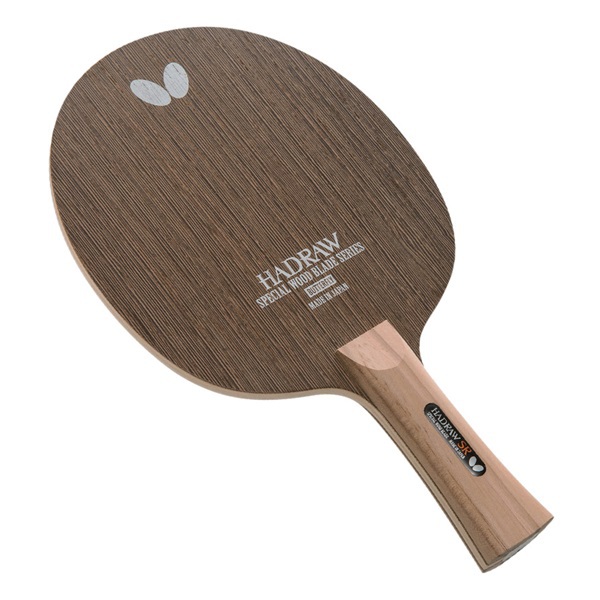
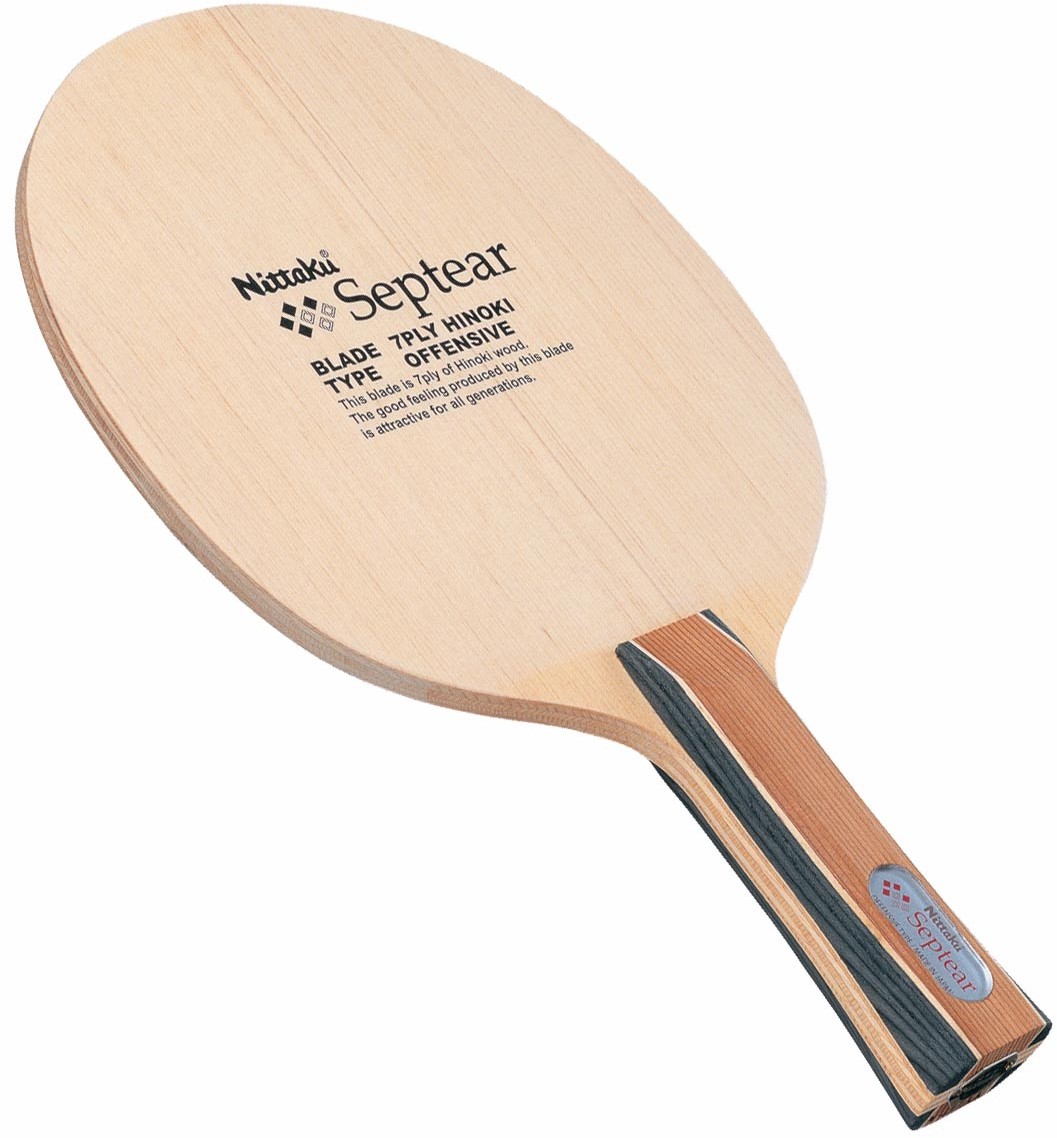
| Butterfly Hadraw SR | Nittaku Septear | |
|---|---|---|
| Our rating | 8.0/10 | 8.2/10 |
| feel | firm, crisp, high rebound with woody dwell | Soft with high dwell time |
| handle | FL / AN / ST | Straight or Concave (flared) |
| plies | 7-ply all wood | 7-ply all wood (Kiso Hinoki) |
| speed | OFF+ | ALL+ |
| thickness_mm | 6.6 | 6.7 |
| weight_g | 91 | 85 |
We may earn a commission from links on this page. Learn more.
Hadraw SR and Nittaku Septear both embrace all-wood construction but target opposite player archetypes. Hadraw SR chases OFF+ speed with wenge power and pop, rewarding aggressive swings. Septear prioritizes exceptional control, touch, and ball placement from kiso hinoki softness and high dwell time.
Septear is the ideal blade for control-first players: it versatility across loops, blocks, pushes, flicks, and smashes with minimal setup requirements. However, its soft hinoki surface dents over time and it requires medium-hard-to-hard sponges to generate adequate speed. Hadraw SR is faster and benefits from a broader sponge range, but demands more stroke technique and careful rubber selection. Septear suits developing and intermediate all-rounders; Hadraw SR suits advanced attackers. Neither is recommended for beginners, but Septear is more forgiving.
FAQ
Which is better for beginners?
Septear is slightly more beginner-friendly due to forgiveness and versatility, though both are solidly intermediate-and-above.
How fragile is Septear’s hinoki surface?
Moderately. Dents accumulate over months of play and serve changes. Hadraw SR’s wenge is more durable.
Speed comparison?
Hadraw SR (OFF+) is significantly faster. Septear (ALL+) is moderate; speed comes from rubber choice and technique.
Best rubber pairings?
Hadraw SR: soft-to-medium tensors. Septear: requires medium-hard or harder sponges to maintain adequate pace.