Butterfly Glayzer vs Stiga DNA Pro M: Which Should You Buy?
| Butterfly Glayzer | Stiga DNA Pro M | |
|---|---|---|
| Our rating | 8.2/10 | 8.5/10 |
| best_side | Forehand or Backhand (all-round offensive) | Forehand or Backhand |
| control | High | High |
| speed | 81 (manufacturer) | OFF+ |
| spin | 73 (manufacturer) | Very High |
| sponge_hardness | 38 degrees (JPN) | 47.5 degrees ESN |
| type | Inverted / High Tension (Spring Sponge X) | Inverted / Pimples-In |
| weight_uncut_g | around 48g uncut | 69 |

We may earn a commission from links on this page. Learn more.
Both rubbers offer high control and work on both wings, but differ in feel and durability. Glayzer’s softer 38-degree sponge makes accessing spin easier and keeps mishits forgiving; its high arc and consistency suit developing players building technique. The Spring Sponge X technology is reliable without being explosive.
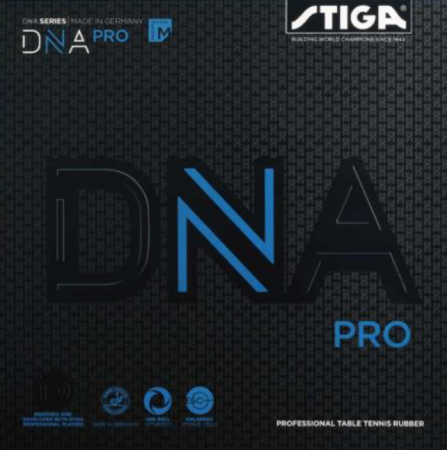
DNA Pro M (8.5 rating) brings harder, faster physics. Its 47.5-degree sponge and grippy topsheet generate excellent spin with modest effort, and it maintains strong close-to-table control despite the higher speed. However, it durability averages only four to five months—about two to three times shorter than Glayzer—and the grippy topsheet can lead to over-brushing if technique wavers.
Choose Glayzer for longevity and broad skill-level compatibility. Choose DNA Pro M if you can commit to active technique and accept replacing the rubber more frequently.
FAQ
Which is faster?
DNA Pro M is faster (OFF+) with a harder sponge. Glayzer prioritizes control over raw speed.
Which lasts longer?
Glayzer’s above-average durability far outlasts DNA Pro M, which drops off after four to five months.
Which generates more spin?
DNA Pro M’s grippy topsheet makes spin generation easier. Glayzer requires more committed brushing.
Which is best for beginners?
Glayzer is more forgiving. DNA Pro M rewards correct technique but punishes errors.