Butterfly Glayzer vs Nittaku Fastarc S-1: Which Should You Buy?
| Butterfly Glayzer | Nittaku Fastarc S-1 | |
|---|---|---|
| Our rating | 8.2/10 | 7.9/10 |
| best_side | Forehand or Backhand (all-round offensive) | forehand or backhand |
| control | High | 70 |
| speed | 81 (manufacturer) | 97 |
| spin | 73 (manufacturer) | 96 |
| sponge_hardness | 38 degrees (JPN) | 35 degrees |
| type | Inverted / High Tension (Spring Sponge X) | inverted |
| weight_uncut_g | around 48g uncut | around 41-43g |
We may earn a commission from links on this page. Learn more.
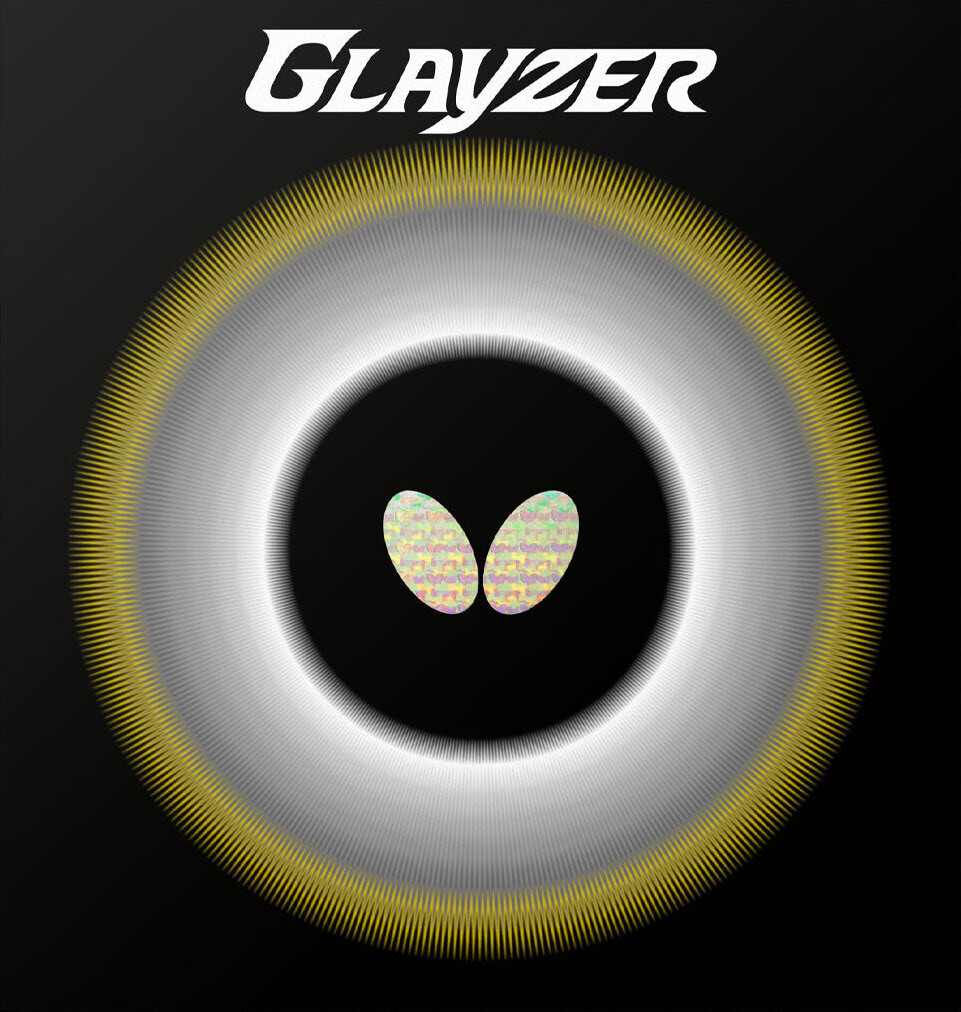
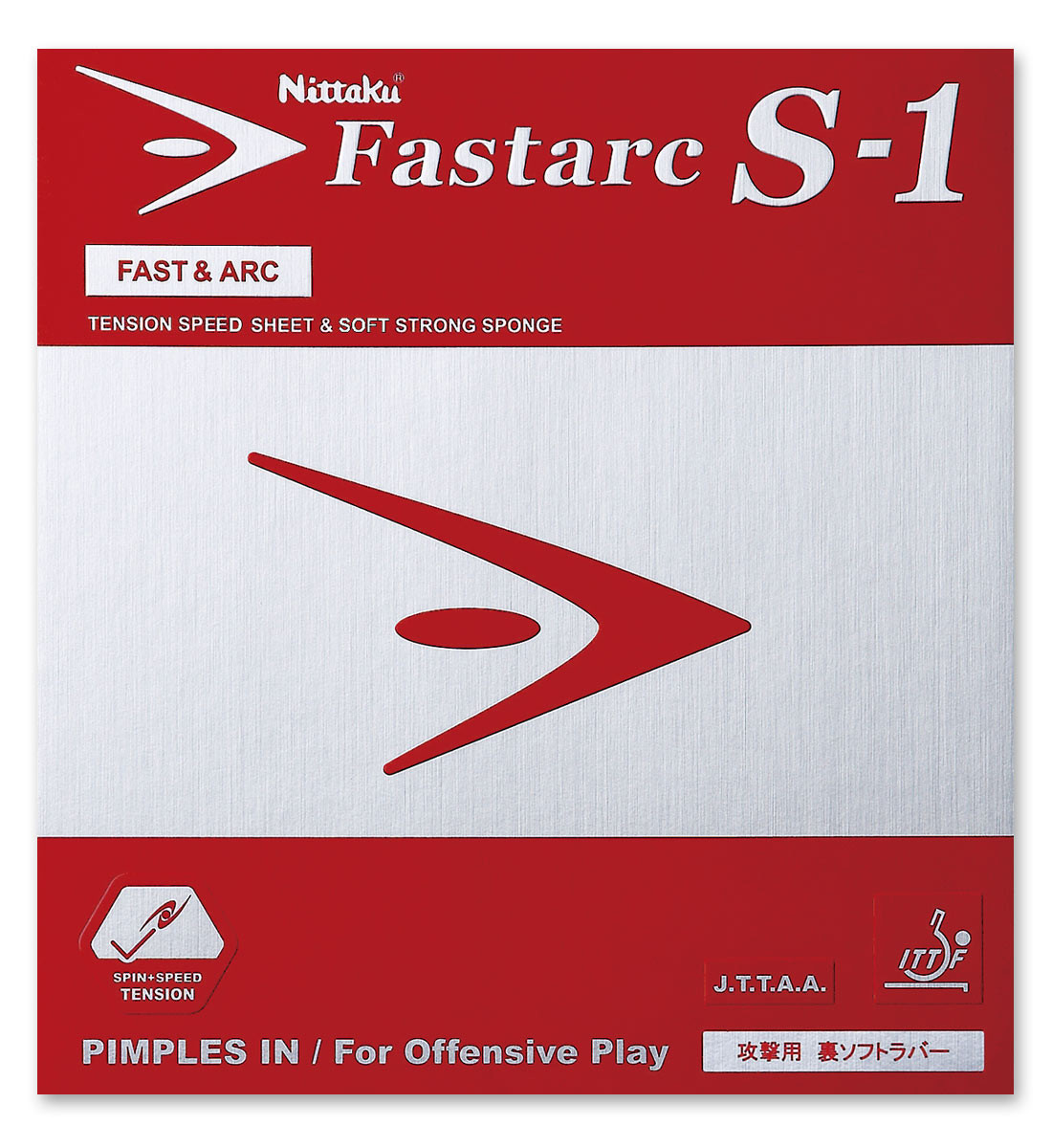
Glayzer captures Dignics 05 technology at half the price, making it ideal for intermediate players seeking premium Butterfly quality without the cost. Its forgiving 38-degree sponge and high arc aid consistency, though it sacrifices some explosive power. Fastarc S-1 takes a different approach: ultralight and speed-focused, it excels at direct drives and fast attacks with lighter, more controllable feedback.
Choose Glayzer if you want spin production and tactical versatility across loops and short game. Choose Fastarc S-1 if you favor pace over spin and prefer the lightness and linear feel of Japanese tensor rubbers. Glayzer edges in spin and forgiveness; Fastarc S-1 leads in speed and maneuverability.
FAQ
Which suits backhand loops better?
Glayzer, with its softer sponge and higher throw angle, is more forgiving on the backhand. Fastarc S-1 tends toward forehand use despite claims of all-court versatility.
How do prices compare?
Glayzer costs roughly 50-60 USD; Fastarc S-1 runs 40-50 USD. Glayzer offers better value if spin and durability matter to you.
Who is each best for?
Glayzer: intermediate attackers building spin technique. Fastarc S-1: speed-driven intermediate players or those transitioning to tensor from beginner rubbers.
How long do they last?
Glayzer holds grip longer; Fastarc S-1 tops out earlier. For training 4+ times weekly, expect 2-3 months from Fastarc, 3-4 from Glayzer.