Butterfly Dignics 64 vs Donic Bluefire M1: Which Should You Buy?
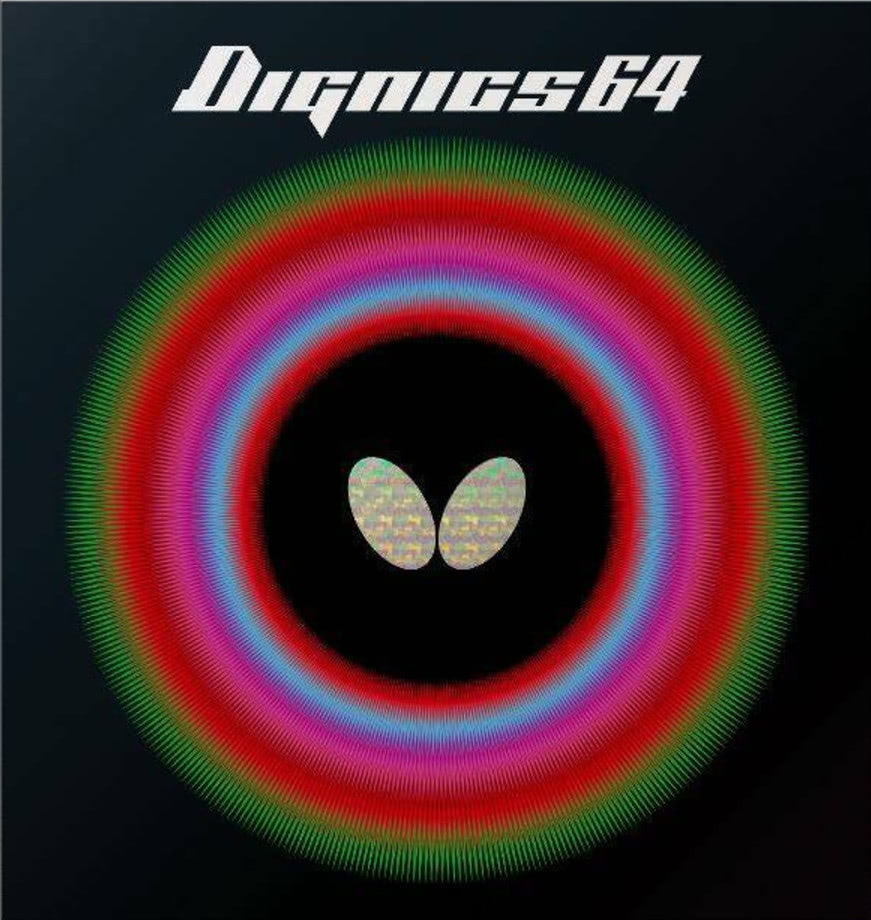
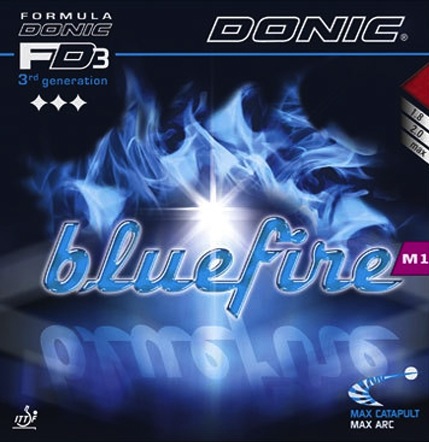
| Butterfly Dignics 64 | Donic Bluefire M1 | |
|---|---|---|
| Our rating | 8.8/10 | 8.4/10 |
| best_side | backhand | Forehand |
| control | 8.5 | 9.1 / 10 |
| speed | 9.5 | 9.7 / 10 |
| spin | 8.5 | 9.0 / 10 |
| sponge_hardness | 40 degrees (Shore A) / 50 degrees (EUR) | 47.5 degrees (medium-hard) |
| type | inverted | Inverted / Tensor |
| weight_uncut_g | 47 | approx 49 g |
We may earn a commission from links on this page. Learn more.
Dignics 64 is a low-trajectory, spin-insensitive backhand rubber for blocking and control. Donic Bluefire M1 is the hardest and fastest of the M-series, producing heavy dipping topspin loops with a high throw angle. M1 is competitive with premium rubbers like Tenergy 05 at a lower price but demands advanced technique and proper arm acceleration.
Choose Dignics 64 for reliable backhand blocking and spin insensitivity. Choose Bluefire M1 if you are an advanced forehand attacker who wants hard, fast, spinny loops and do not mind the unforgiving nature. Both are excellent, but Dignics suits blockers; M1 suits spin-first attackers.
FAQ
Which is faster?
Donic Bluefire M1 is significantly faster (9.7 speed versus 9.5). Both are fast, but M1 has higher throw angle.
Which is more forgiving?
Dignics 64 is much more forgiving. M1 is very unforgiving and requires advanced technique.
Can I use M1 backhand?
Not recommended. M1 is optimized for forehand play and too hard for backhand.
How long does M1 last?
Performance fades after one to two months as factory boost expires. Dignics 64 maintains feel far longer.
Is M1 worth the price?
Yes, for advanced loopers. It is cheaper than Tenergy 05 and competitive in performance. Dignics is a backhand choice.