Andro Treiber Z vs Donic Epox Control: Which Should You Buy?
| Andro Treiber Z | Donic Epox Control | |
|---|---|---|
| Our rating | 8.7/10 | 7.8/10 |
| feel | mild, crispy, low vibration, large sweet spot | Low vibration, elastic, soft touch |
| handle | FL, ST, AN, Chinese pen | Flared / Anatomic / Straight |
| plies | 7-ply: kiso hinoki outer + ZLC (Z-fiber composite) inner layers + wood core | 5-ply all wood |
| speed | OFF | ALL+ |
| thickness_mm | 6.6-6.8 | 5.1 |
| weight_g | 87-90 | 80-90 |
We may earn a commission from links on this page. Learn more.
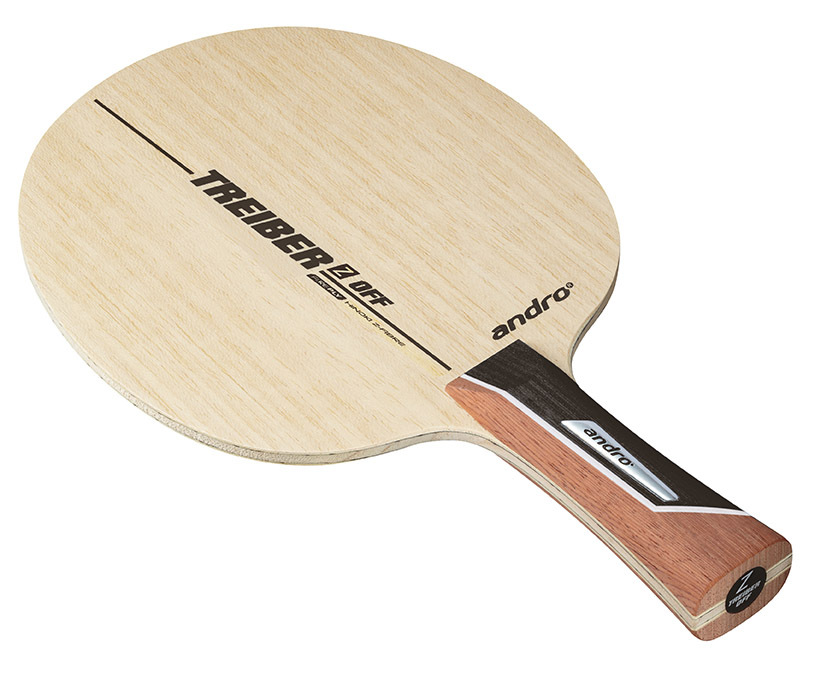
These serve different purposes. The Treiber Z is an advanced OFF-class composite demanding consistent mechanics, delivering outstanding speed-to-control balance with a huge sweet spot and exceptional short-game performance.
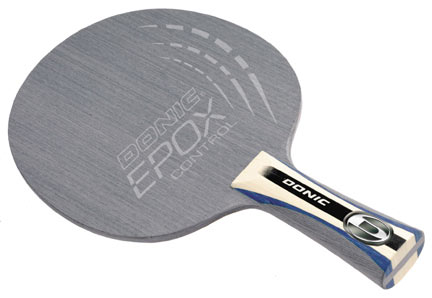
Epox Control uses epoxy resin bonding to achieve very low vibration and a large sweet spot forgiving off-center hits. Light weight around 80g suits long practice sessions, with a comfortable handle and 360-degree Fineline edge protection for longevity. Good predictability supports consistent placement play. However, ALL speed class feels too slow for offensive players, is unsuitable for heavy looping or power-first styles, and some users report handle vibration despite overall low-resonance design. Best suited for beginners, intermediate all-rounders, choppers, blockers, and pips-out backhand setups.
FAQ
Why does epoxy resin bonding matter?
Epoxy resin creates very low vibration without hollow resonance, supporting consistent placement and touch play ideal for beginner-friendly designs.
Which is lighter?
Epox Control at around 80g is lighter than Treiber Z’s 87-90g, reducing fatigue during long practice.
Which suits beginners better?
Epox Control is explicitly designed for beginners and intermediate all-rounders. Treiber Z is too demanding without consistent stroke mechanics.
Which suits defensive play?
Epox Control is a strong choice for choppers, blockers, and pips-out backhand setups. Treiber Z favors aggressive offense.
Do users report vibration issues?
Some report handle vibration despite the overall low-resonance epoxy design, suggesting individual variation in quality.