Andro Rasanter R47 vs Nittaku Fastarc P-1: Which Should You Buy?
| Andro Rasanter R47 | Nittaku Fastarc P-1 | |
|---|---|---|
| Our rating | 8.6/10 | 7.8/10 |
| best_side | both | forehand |
| control | medium | 8.5 |
| speed | high | 15.5 |
| spin | high | 12.25 |
| sponge_hardness | 47° | 47.5 degrees |
| type | tensor inverted | tensor |
| weight_uncut_g | 69 | 70 |
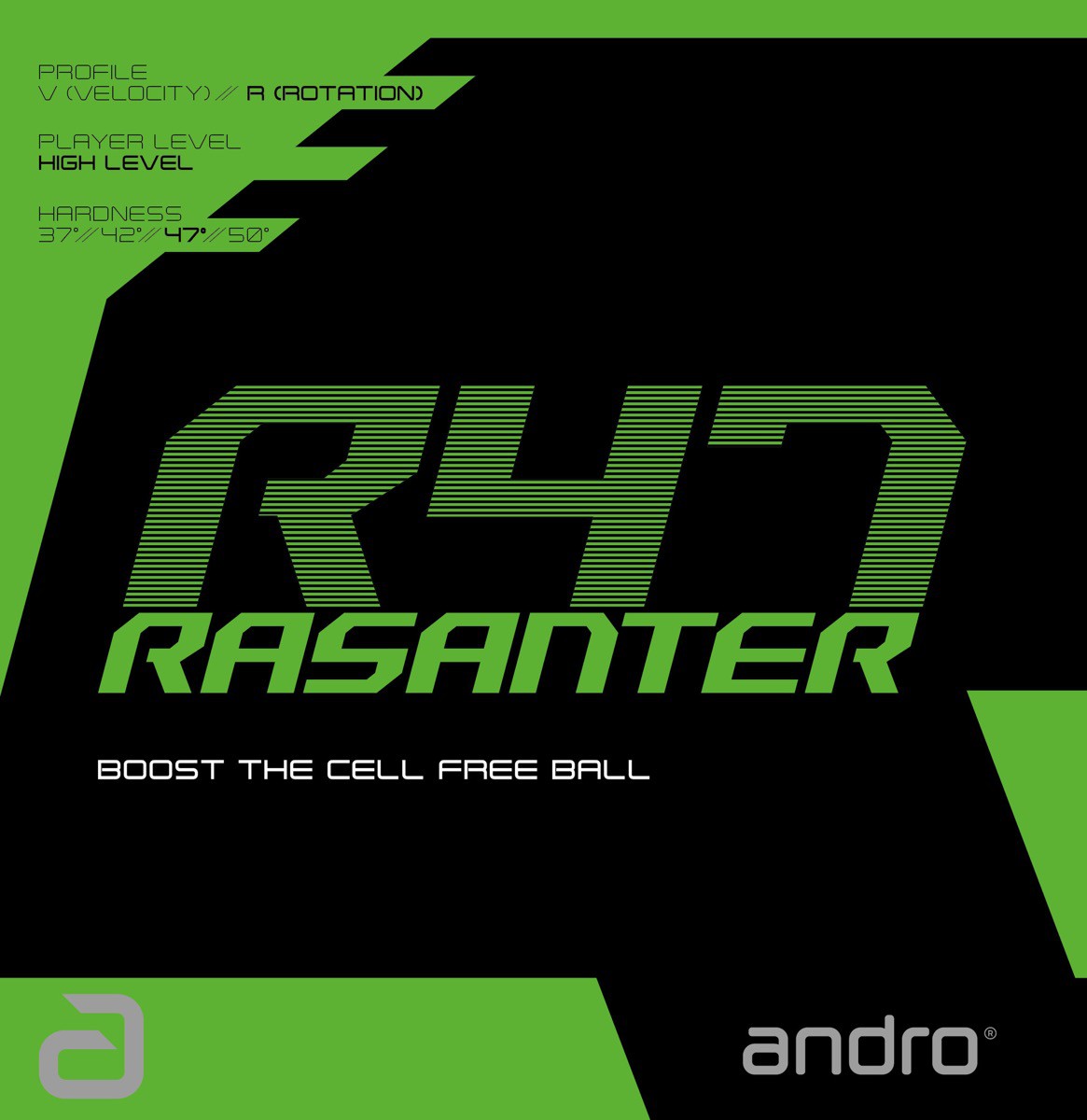
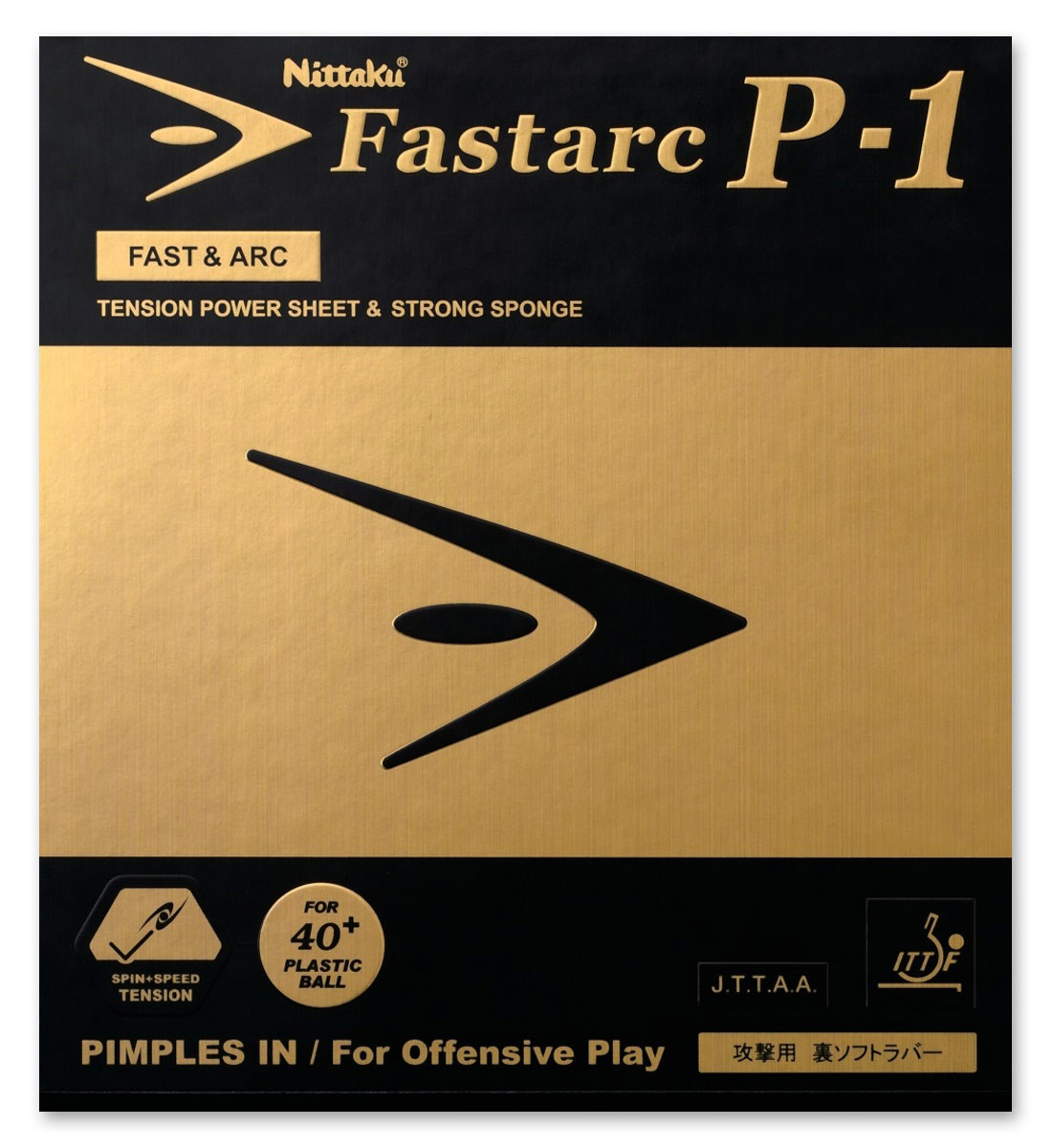
We may earn a commission from links on this page. Learn more.
Rasanter R47 is the aggressive flagship: digging hard against backspin, massive spin and speed on committed stroke. Nittaku Fastarc P-1 is the precision specialist: impressive spin, high throw angle safety, low spin sensitivity, soft feel, and linearity—but unforgiving of tentative contact.
R47 is forgiving enough within its speed-class; P-1 is brutally linear. P-1 is heavier (70g uncut) than many competitors and works forehand-dominant. Both demand advanced technique, but P-1 penalizes arm-only or partial strokes harder. R47 suits decisive players; P-1 suits only those with complete, committed mechanics. Both are durable, but P-1 is higher maintenance for reward. Choose R47 if spin-speed aggression and broad-based performance matter. Choose P-1 only if excellent forehand mechanics and valuing precision over ease.
FAQ
Why is P-1 so demanding and punishing?
It is linear—output scales directly with commitment. Tentative strokes fail completely. This is by design.
Is P-1 good choice for learning forehand?
No. R47 is hard but less punishing. P-1 will frustrate developing players. Wait until stroke is locked.
How much higher is P-1’s throw angle practically?
Significantly higher. This makes blocking safer and opening against backspin easier. Trade-off: less flat hitting power.
Can P-1 work on backhand?
Not recommended. It is forehand-dominant and uncomfortable on backhand. R47 works better two-wing.
Is P-1 more durable than R47?
Yes. Durability is high-quality German construction. Longevity depends partly on form consistency.