Andro Rasanter R47 vs Nittaku Fastarc C-1: Which Should You Buy?
| Andro Rasanter R47 | Nittaku Fastarc C-1 | |
|---|---|---|
| Our rating | 8.6/10 | 8.4/10 |
| best_side | both | backhand or allround |
| control | medium | high |
| speed | high | 15.25 (Nittaku scale) |
| spin | high | 12.25 (Nittaku scale) |
| sponge_hardness | 47° | 45 degrees |
| type | tensor inverted | inverted / tensor |
| weight_uncut_g | 69 | approx 47 g (157 x 150 mm sheet) |
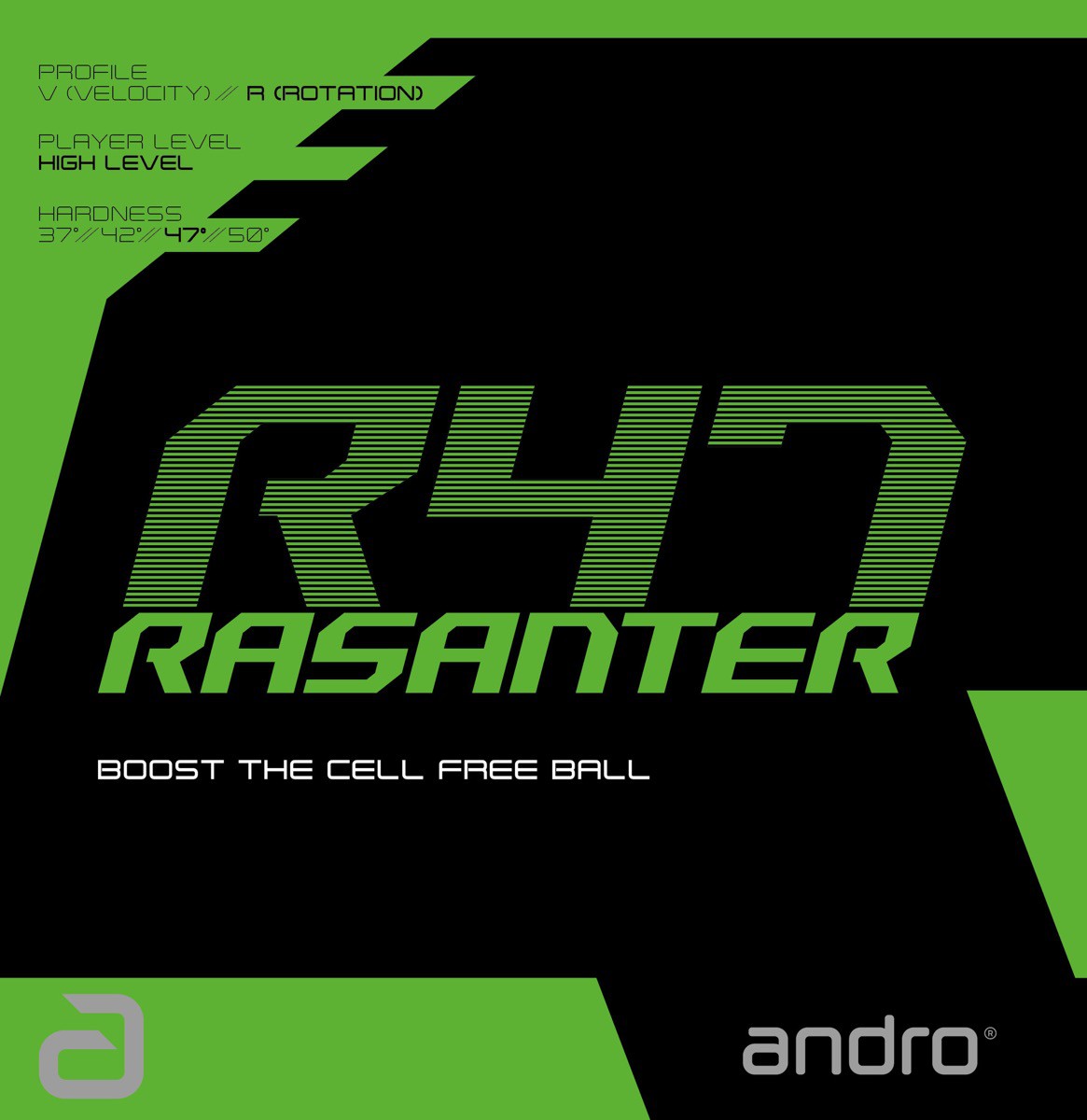
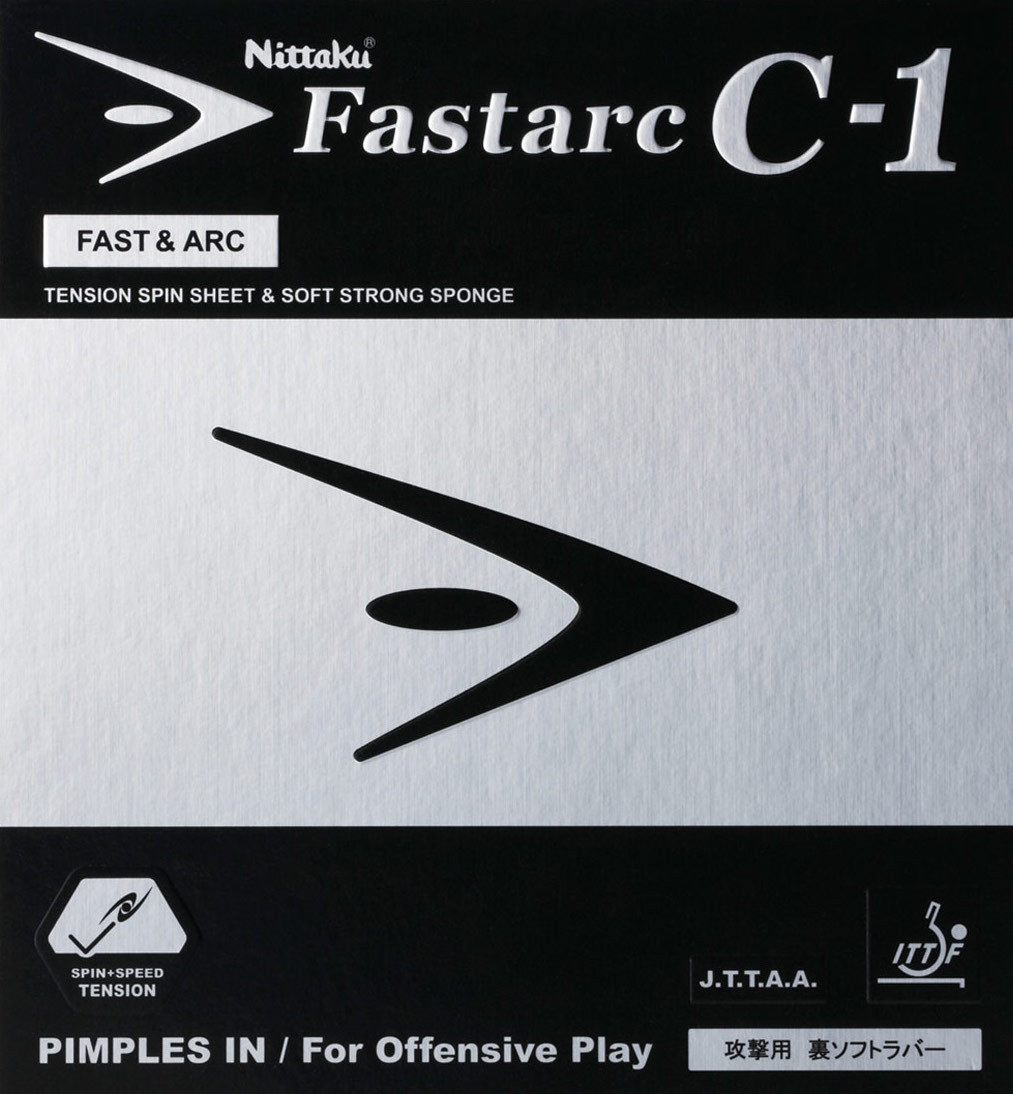
We may earn a commission from links on this page. Learn more.
Rasanter R47 is the pure attacker: 47 degrees, flagship spin and speed, works both wings. It rewards committed strokes and fades around 30-40 days, but it is ready to play and does not sacrifice versatility.
Fastarc C-1 is the forgiving alternative: high arc, excellent spin (with the G-1 topsheet), and easier to learn. Control is high, passive blocks and close-to-table play are effortless, and the topsheet grip lasts. The speed ceiling is lower (15.25 vs high on Andro’s scale), so very advanced players may outgrow it. It suits intermediate-to-advanced loopers who prioritize consistency over raw pace.
Rasanter for relentless attackers; Fastarc C-1 for allround loopers who want safety and durability.
FAQ
Which is easier to learn?
Fastarc C-1 has a high arc and high control, making it more forgiving. Rasanter is demanding and rewards advanced technique.
Which lasts longer?
Fastarc C-1 has a durable topsheet that holds grip well. Rasanter fades around 30-40 days.
Can I use either on my backhand?
Rasanter is designed for both wings. Fastarc C-1 pairs well as backhand or allround forehand.
If I slow down away from the table, which plays better?
Fastarc C-1 handles mid-distance play better. Rasanter needs active strokes and loses power further out.