Andro Rasanter R47 vs JOOLA Dynaryz ZGR: Which Should You Buy?
| Andro Rasanter R47 | JOOLA Dynaryz ZGR | |
|---|---|---|
| Our rating | 8.6/10 | 8.3/10 |
| best_side | both | forehand |
| control | medium | Medium-High |
| speed | high | Extreme |
| spin | high | Extreme |
| sponge_hardness | 47° | 57.5 degrees Shore C (hard) |
| type | tensor inverted | hybrid tacky tensor (pimples-in) |
| weight_uncut_g | 69 | approx 56g (cut to 157x150mm) |
We may earn a commission from links on this page. Learn more.
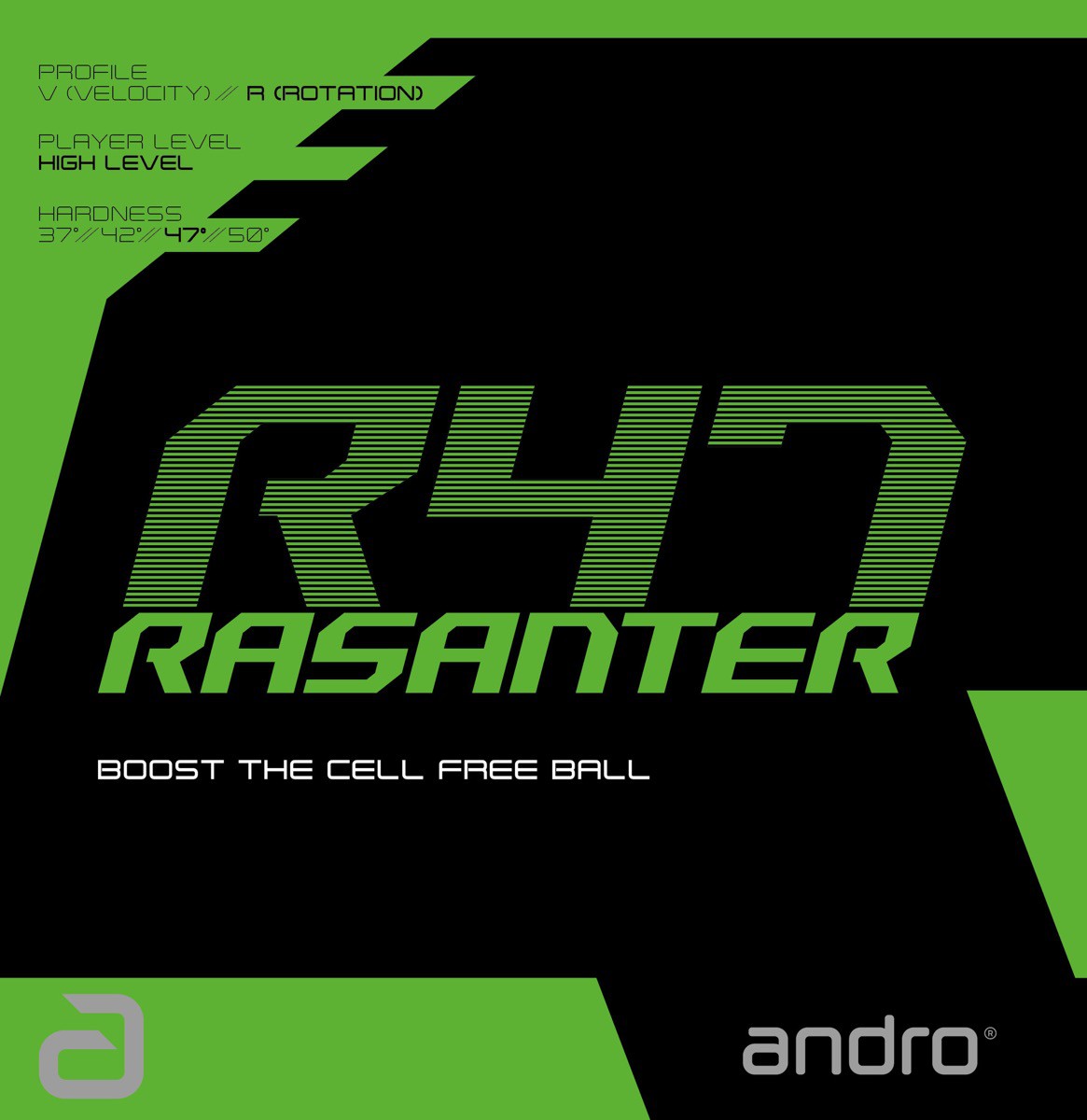
Rasanter R47 is the balanced pick: 47 degrees, flagship spin, works both wings. It is the lower-cost Tenergy 05 route and suits looping from anywhere on the table. It fades around 30-40 days but asks nothing special of your setup.
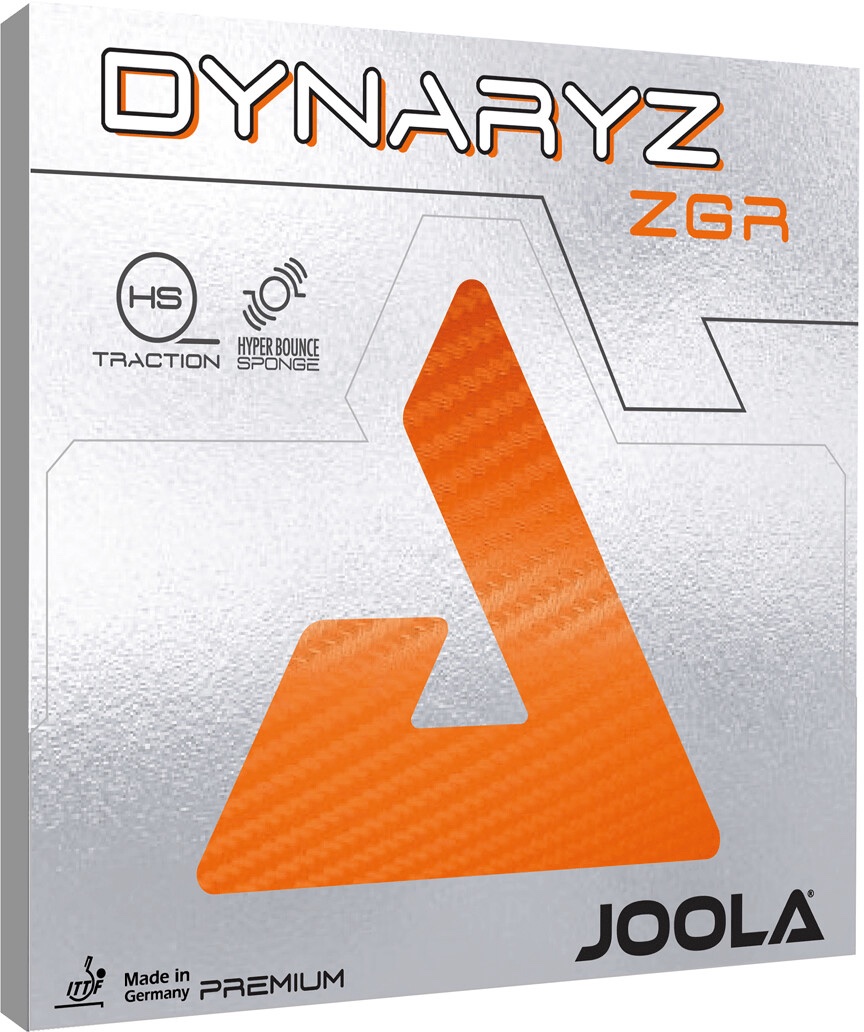
Dynaryz ZGR is a hard, extreme hybrid (57.5 degrees — nearly 11 degrees harder). It blends tacky grip with tensor catapult, allowing multiple gears from touch to power. Spin is extreme, speed is extreme, but the 56g weight can cause arm fatigue and short tight serves are harder. Durability of the tacky feel fades after around two months.
Rasanter is the all-rounder; ZGR is for mid-to-long-distance power players who want a unique tacky-tensor hybrid and can manage its weight and hardness.
FAQ
Which sponge is harder?
ZGR is 57.5 degrees (very hard); Rasanter is 47 degrees. ZGR demands higher racket speed.
Can I play close to the table with ZGR?
Tactically yes, but short tight serves are harder compared to pure Chinese rubbers. Rasanter is better for close play.
Is ZGR heavier?
Yes — 56g cut vs 69g uncut for Rasanter. The weight can cause arm fatigue over long sessions.
Which is better for spin?
Both are high-spin. ZGR rates extreme; Rasanter is high. ZGR is spinnier but much harder to control.