What Has Raised My Win Rate This Year
What Has Raised My Win Rate This Year
1. Switching to replacing my forehand rubber every two months
Not switching brands — just putting on a fresh sheet every two months.
We always say the biggest benefit of a new rubber is higher error-tolerance and attack efficiency. Better friction means a cleaner, more transparent feel through the ball, which keeps you well-calibrated when making in-game adjustments. And when the sponge is newer the ball-absorption is better, so you dare to swing through more freely and make fewer mistakes.
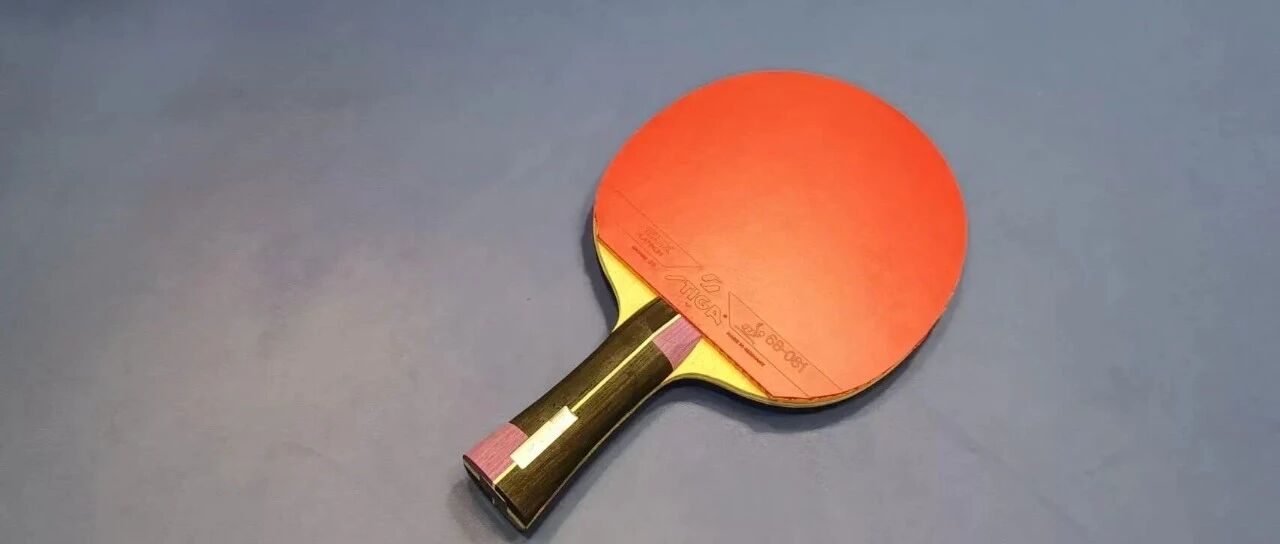
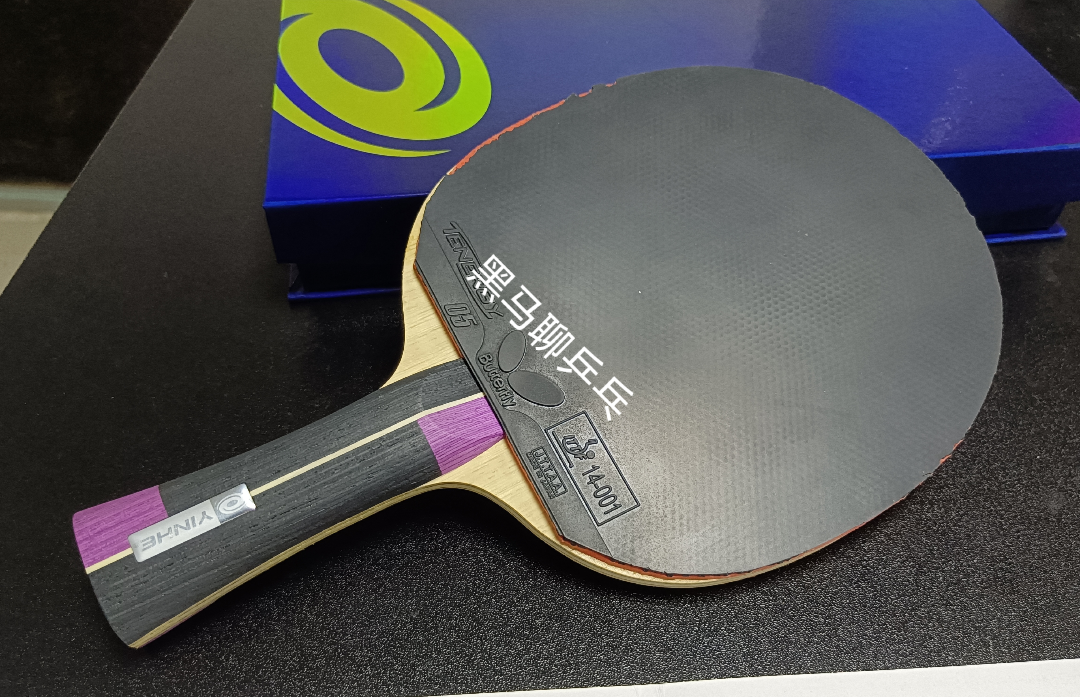
Before, I used to keep my forehand Tenergy 05 for four or five months. It shreds faster than most people’s — the surface was visibly worn after about a month and friction had dropped considerably. I kept going because I was trying to save money.
The T05 sponge internal energy lasts reasonably well, but the topsheet surface does deteriorate quickly. Once it’s worn, the friction on thin contacts isn’t spinny enough. After extended use the sponge’s absorption goes dead and you can’t swing freely.
On a level playing field, matches often come down to one or two points per game. With a fresh enough rubber, that one or two balls stay on the table and carry just a tiny bit more threat — enough to flip a match. So once I moved to a two-month replacement cycle for the forehand T05, my mental state improved a lot. Money really does solve some problems.
The backhand doesn’t need to be replaced as often because my backhand scoring ability isn’t as high — it’s mostly mid-quality rallying and transition shots.
European rubbers are similar in this regard. Many players look for a European rubber with longer lifespan than what they’re using now. Honestly, they’re all about the same. The more treatment the topsheet receives before shipping, the more the surface can actually wear faster. And the more often you peel the rubber, the more the sponge shrinks.
Replacing your rubber more frequently is, aside from the cost, one of the more straightforward ways to raise your win rate.
As an aside — a bottle of Frem inorganic glue showed up, a gift from someone. I’ve been using it and it works well: easy to form a film, easy to spread, doesn’t lift easily. Not too thin, not too thick. And it’s cheap, which a lot of people care about.
2. Simplification
Over the past two years — really several years — I’ve drilled many backhand techniques on and off. Most of them never translate to matches. Against players rated 2000+, my backhand is basically useless: mostly defense and counter-hits with borrowed momentum. Against players around 1900, it’s usually just grinding wall-style rallies. Only against someone 100 points below me can I actually attack freely on the backhand and create the illusion that I have a great backhand.
Sometime around the end of last year I suddenly wanted to simplify. I’m not sure if it’s because I got a piece of advice from a retired pro — he originally told me that any ball even slightly off the end of the table, even if it’s more toward the forehand middle, flip it or at least topspin it up, then keep rallying. In practice, my first-ball quality on those flips was unstable and the quality low, making it easy for the opponent to counter-loop. So I went the opposite direction.
The simplified approach I landed on: anything that comes off the table — even half-off the table that I can pick up early — I attack with my forehand.
I’ve always had more natural ability on the forehand than the backhand, but I kept hesitating about whether to forehand-attack right off the receive. I always thought working the backhand was safer. But in matches against opponents I could barely beat, I eventually had no choice but to pull out this last resort: sidestep as much as possible (including on return of serve) and go more aggressive in the first three balls. This gradually turned me into a shakehand Xu Xin. Right now, this “simplified” approach suits me well. It’s physically demanding, but it has genuinely raised my win rate and helped me beat people I could almost never beat before.
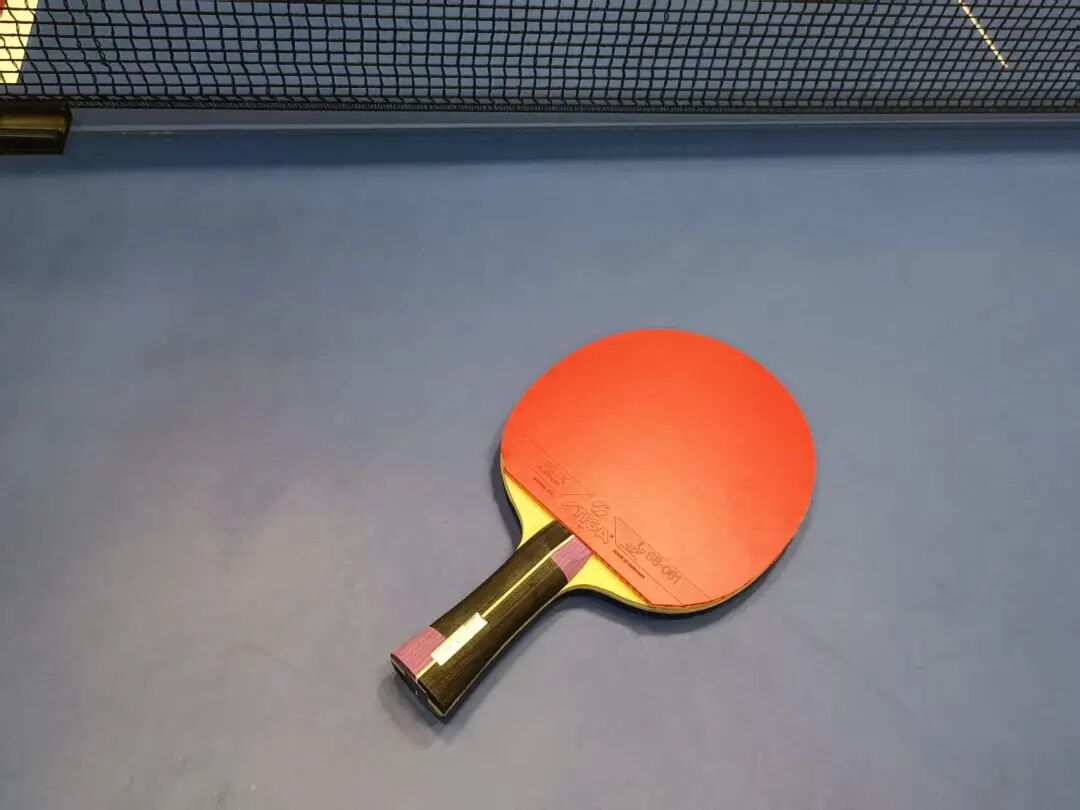
Another thing these past months of practice showed: because you’re always in a ready-to-sidestep-and-loop position, opponents become very cautious with their serves. That indirectly makes it easier for you to receive.
Simplification also happened to my own serving. My serve rotation is now cleaner: aside from the main no-spin-vs-spin variation, I added one short side-backspin from the backhand side. As a former national-team friend said, players rated under 2000 almost never pop this serve long. Then you just stay ready to attack on the next ball.
Each serve routine is tied to a corresponding follow-up tactic. In matches, whenever it’s your turn to serve, just run those two or three serves and the tactics that go with them.
In daily practice, deliberately drilling and reinforcing these pattern-play sequences has produced solid results.