Ten Petals: How Weight Affects Equipment Performance and Your Game
1
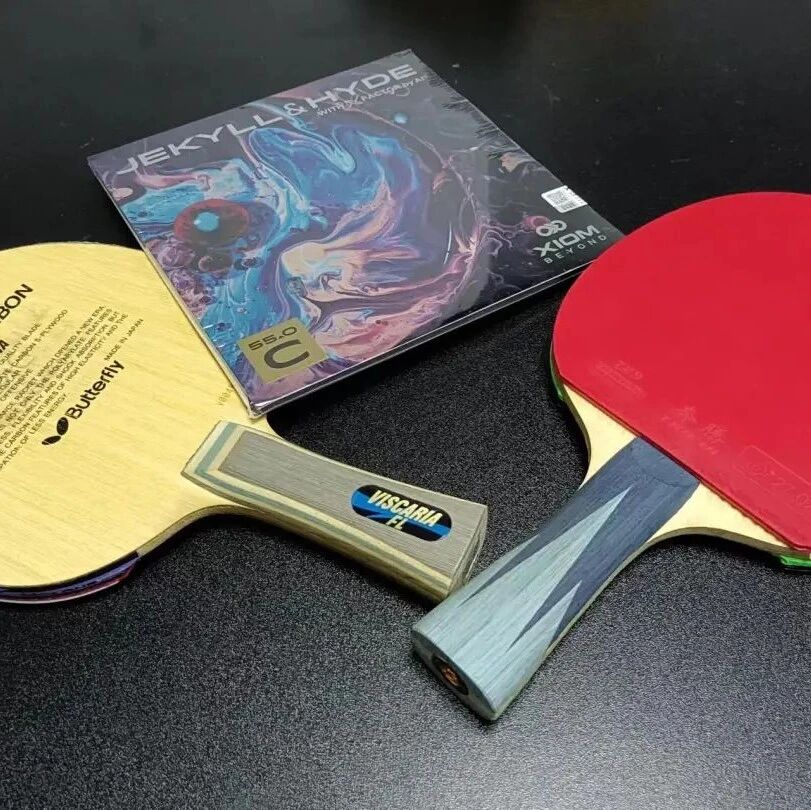
Rubber quality control on the market is poor. Many brands are far less rigorous than you’d expect. The same Hurricane 8-80 can easily vary by 5g between sheets. If you really need to pick carefully, weigh them in their packaging — that works too. The same issue appears with NEO Blue Sponge National Hurricane.
2
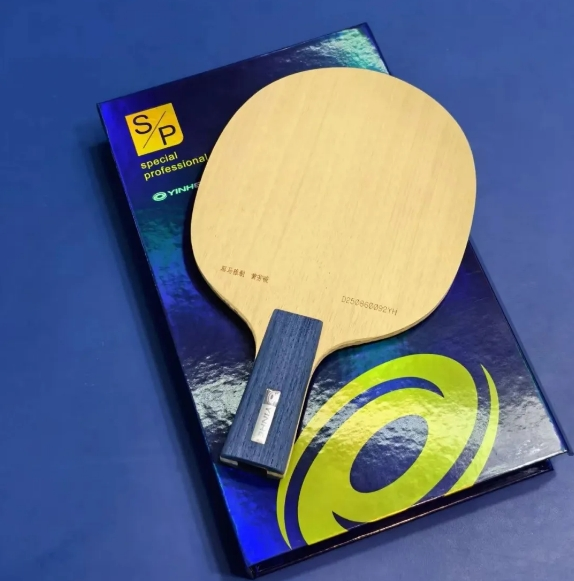
Within similar production batches of the same blade model, heavier generally means more powerful ball output. Lighter usually means lighter ball quality, and if it’s too light, the feel can go hollow. This isn’t absolute, but it’s the common pattern.
3
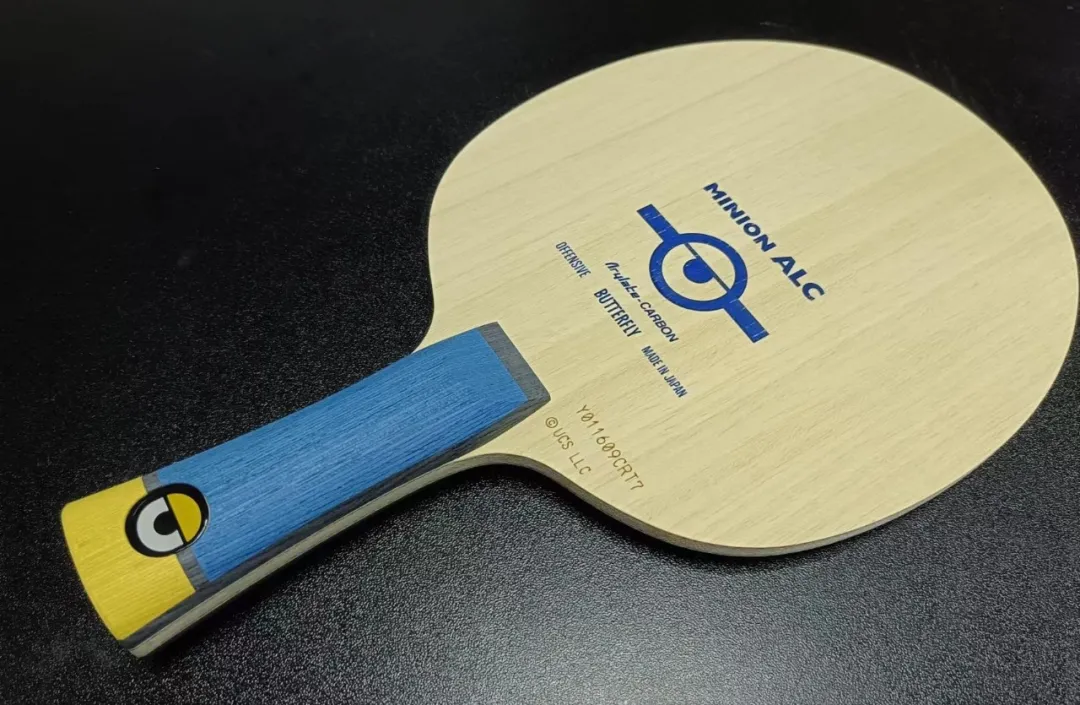
If your forehand is your weapon, the forehand rubber should typically be heavier than the backhand rubber. A lighter backhand rubber gives a more open, transparent overall feel and benefits the forehand swing. It also allows for better single-stroke ball quality.
4
A sudden increase in rubber weight — say, switching to a heavier new rubber — requires more practice time to adapt.
5
There is no such thing as a perfect weight. Butterfly’s “official weight” for a blade is not some ideal design target — it’s just the average weight that comes out of production at a given time, and Butterfly adjusts this across batches.
6
A lighter blade favors faster swing speed; a heavier blade may support more power. But the line between these is blurry, because faster swing speed itself produces more power. Weight — just find what feels comfortable for you.
7
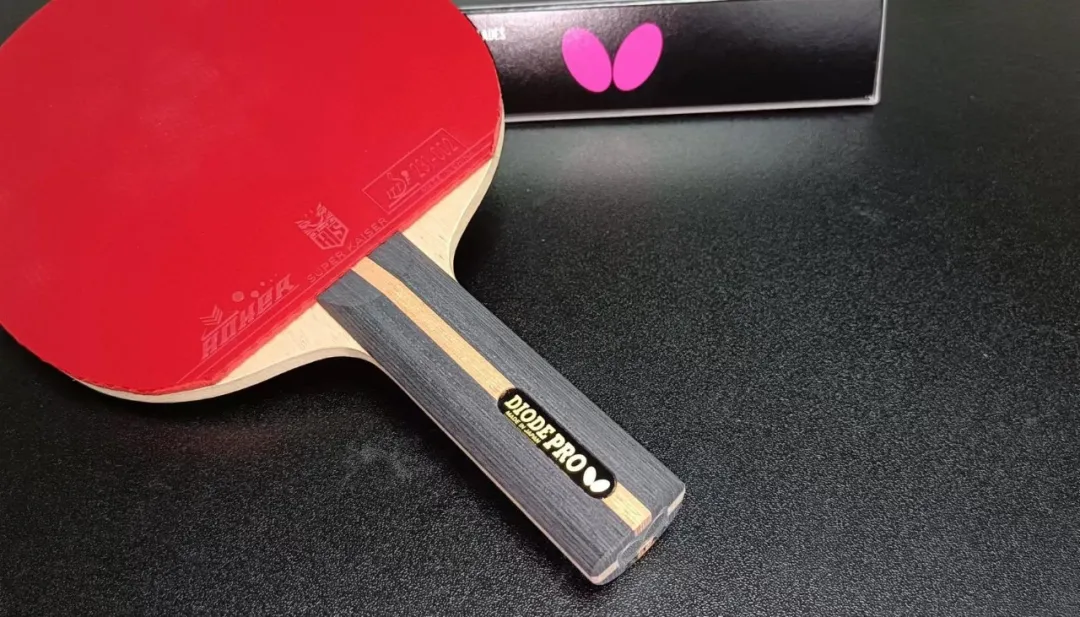
Rubber weight, especially with European rubbers, follows similar logic and affects ball quality accordingly. That’s why European rubbers keep getting made heavier and heavier — to deliver heavier, more grounded ball quality suited to the tactical demands of the plastic ball era.
8
A two-sided inverted rubber attacking style benefits more from a lighter paddle for greater all-round balance. Defensive styles benefit from a heavier blade to absorb shock and reduce hand vibration.
9
As a paddle gets more playing time, weight gain is unavoidable. But some moisture content in the blade wood is actually beneficial for the dwell feel on contact.
10
The most tangible effect of weight comes through balance point — whether the weight is toward the head or toward the handle. That’s personal preference, but it also determines whether you lean toward single-stroke attack quality or easier forehand-backhand transitions.