Harimoto Wins One Loses One — Three Blades, Three Different Design Philosophies
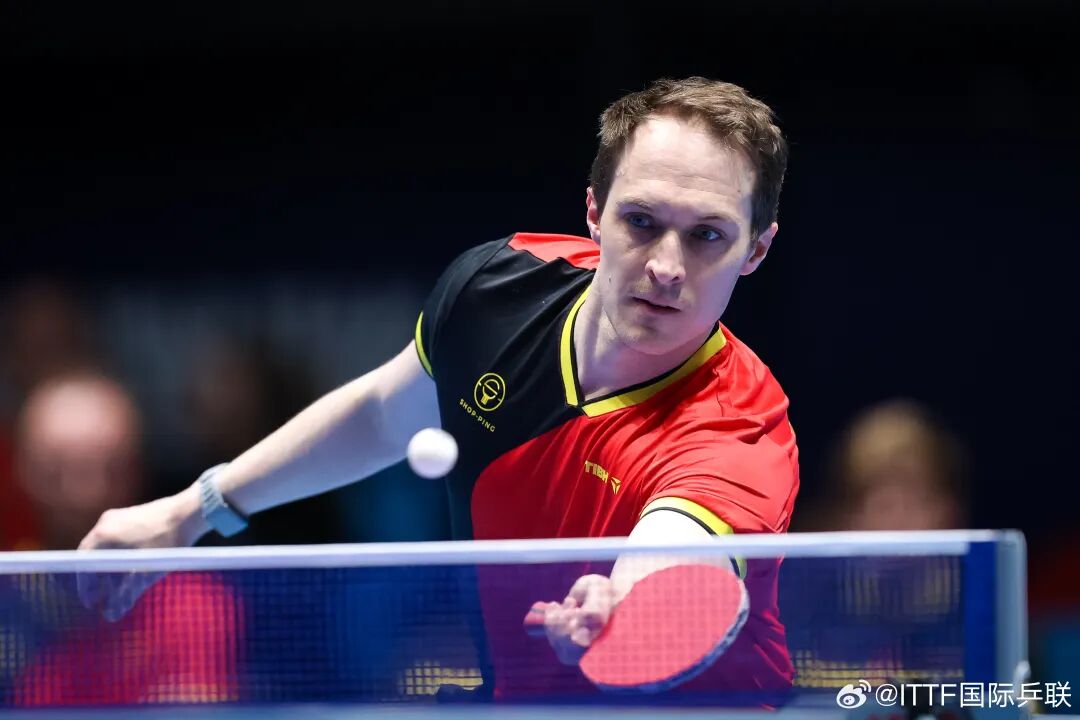
At the men’s team round of 16, Japan beat Belgium 3-1. Harimoto Tomokazu went 1-1 — which, as I’ve said before, reflects the reality that forehand-dominant players tend to be more decisive, while backhand-dominant players lean toward volatility. Or put another way, backhand-dominant players are more likely to produce “equal footing” matches where whoever feels better that day wins.
This gives us a chance to discuss three very different blade philosophies on show in these two matches.
Nuytinck 3-1 Harimoto Tomokazu
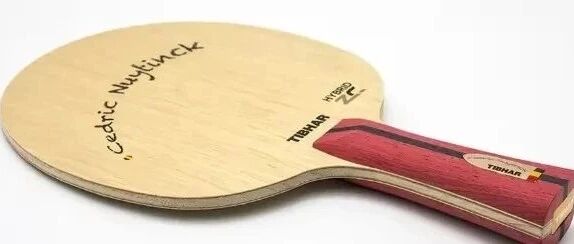
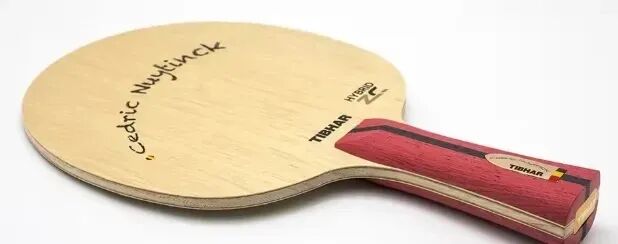
Nuytinck’s blade: the Nuytinck ZC, also known as Cedric Nuytinck Hybrid ZC (full English name). It’s named after the player and was once the most widely used blade among Tibhar-sponsored stars.
Nuytinck has always been a better doubles player than singles; his individual results aren’t deep. His receive game is creative — push long, flick, banana flip — very varied. But in this match against Harimoto, he showed mostly two-sided heavy topspin loop.
It proved that Harimoto, though an outstanding defender, cannot handle a power player he’s less familiar with. Defense is inherently reactive — it’s passive. One reason was his difficulty reading Nuytinck’s serve: a left-hander, Nuytinck generates topspin and reverse-spin serves very well. For most players this is always a challenge. Even if you read the spin, you might not adjust in time, because the spin direction is the exact opposite of a right-hander’s.
Although Japan’s roster includes two other left-handers in Yuda Yukiya and Tomishima Shunsuke, the serving contact point is different, and Nuytinck’s forehand striking power is genuinely large. He put a lot of pressure on Harimoto.
The Nuytinck ZC’s structure is close to the Mizutani Jun ZLC but replaces ayous with limba. In practice the feel may be even softer than the newer Mizutani ZLC. But it’s still outer ZLC, so the rebound speed is solid.
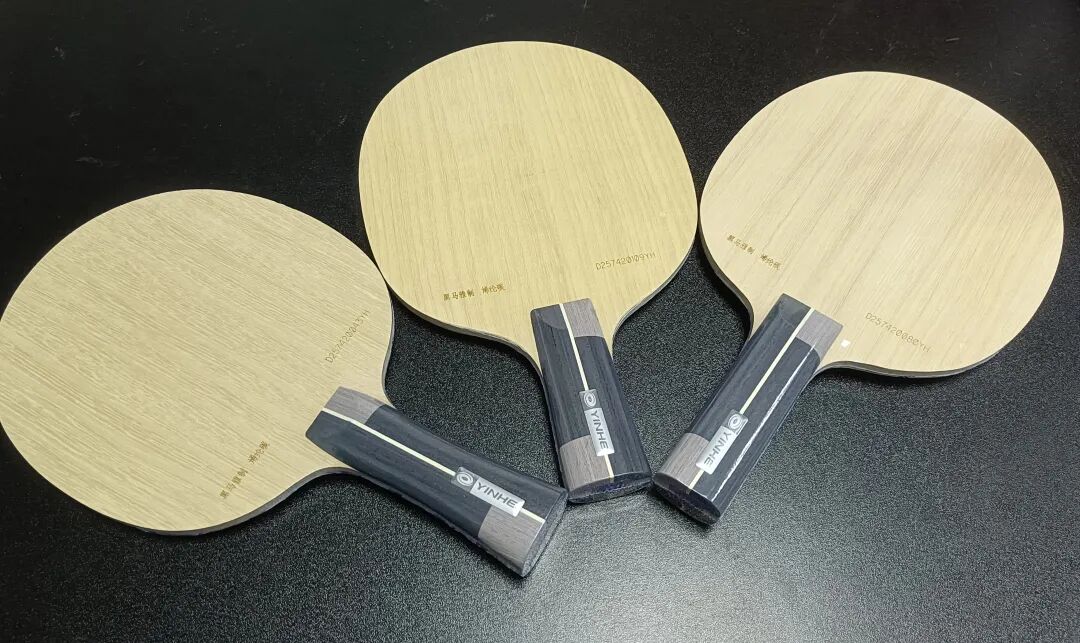
By comparison, the Hema Custom PLC would be a bit bouncier than these two — better springiness and speed, less transparent, but with more punch. Using the same limba face, the dwell feel is more comfortable than a koto-faced blade (like the Zhang Jike ZLC or Fan Zhendong ZLC), and spin is easier to generate.
Larsson 1-3 Harimoto Tomokazu
Larsson uses a Viscaria while Harimoto uses the SALC. Both are essentially blue aramid carbon — outer versus inner. The outer version is harder and more explosive, with that sensation of instant resistance then rebound. The inner version accelerates just as quickly but has a softer, more transparent feel, making it easier to achieve high error tolerance and dwell.
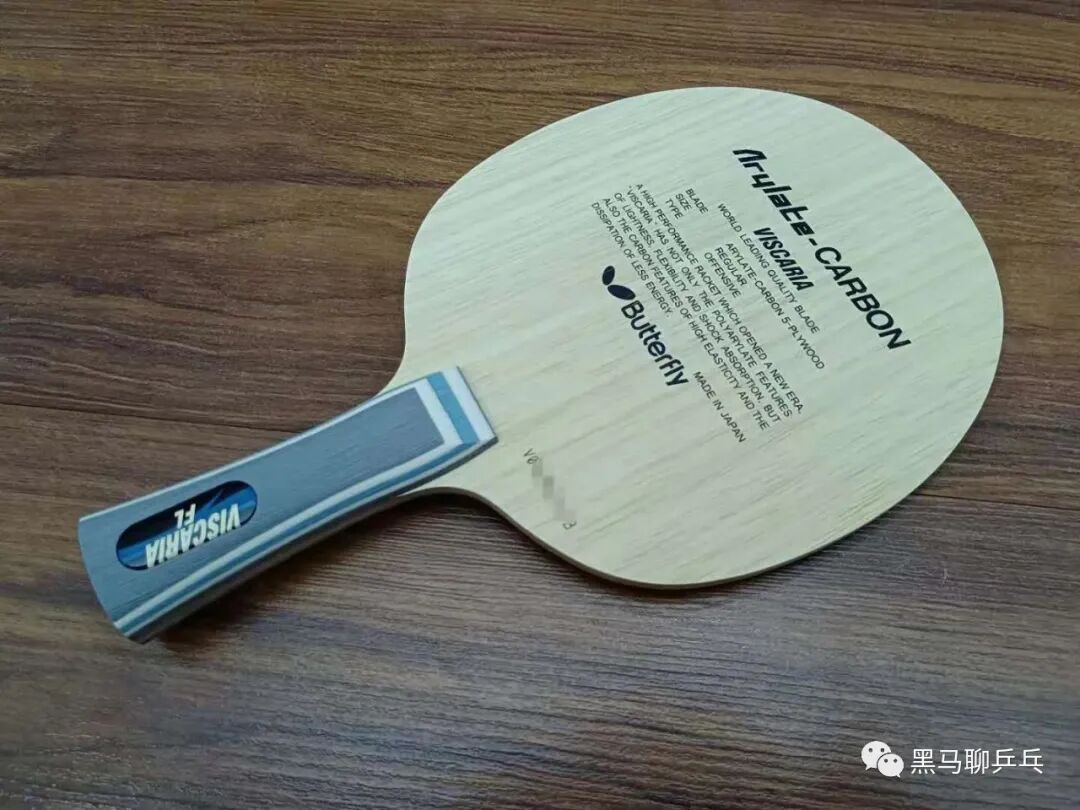
The choice between these two probably comes down to your preference for feel and contact depth. Viscaria is firmer; the Harimoto SUPER ALC is softer and more transparent, with deeper ball contact than Viscaria.
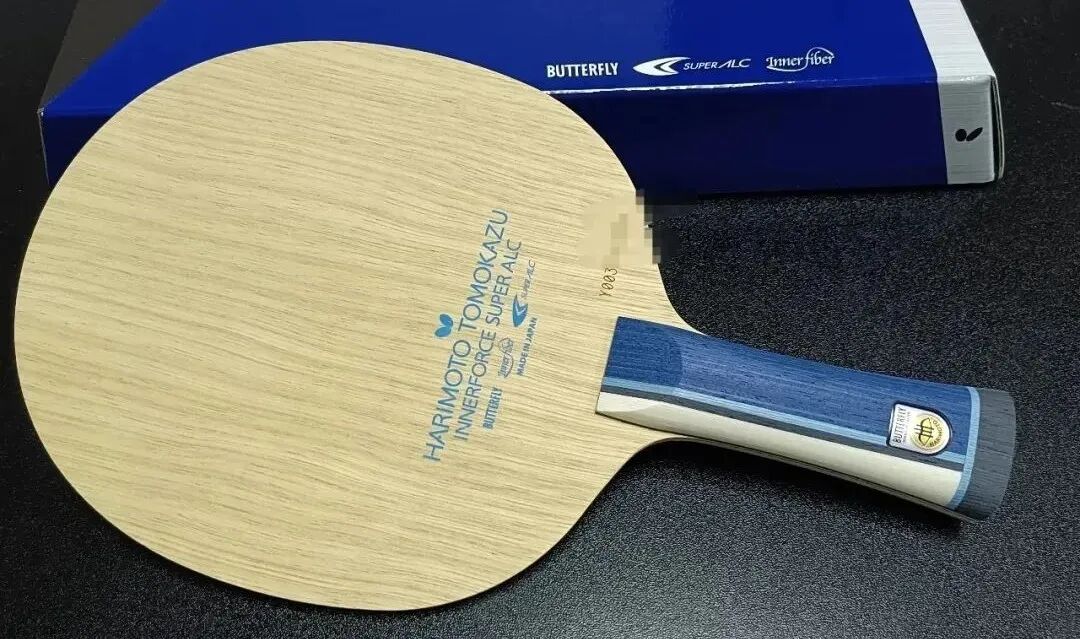
Matching the transparency of the SUPER ALC in an outer ALC is very difficult. The Boll 70th Anniversary Edition is probably the closest.
Larsson has never been shy about experimenting with blades. In outer ALC alone over the past year he has tried the Freitas ALC (limba face), the Boll ALC and Fan Zhendong ALC (koto face), and now Viscaria. That exploration might itself be evidence that these blades genuinely play differently from each other.