WTT Champions Chongqing: Equipment and Technique Takeaways, Part 2
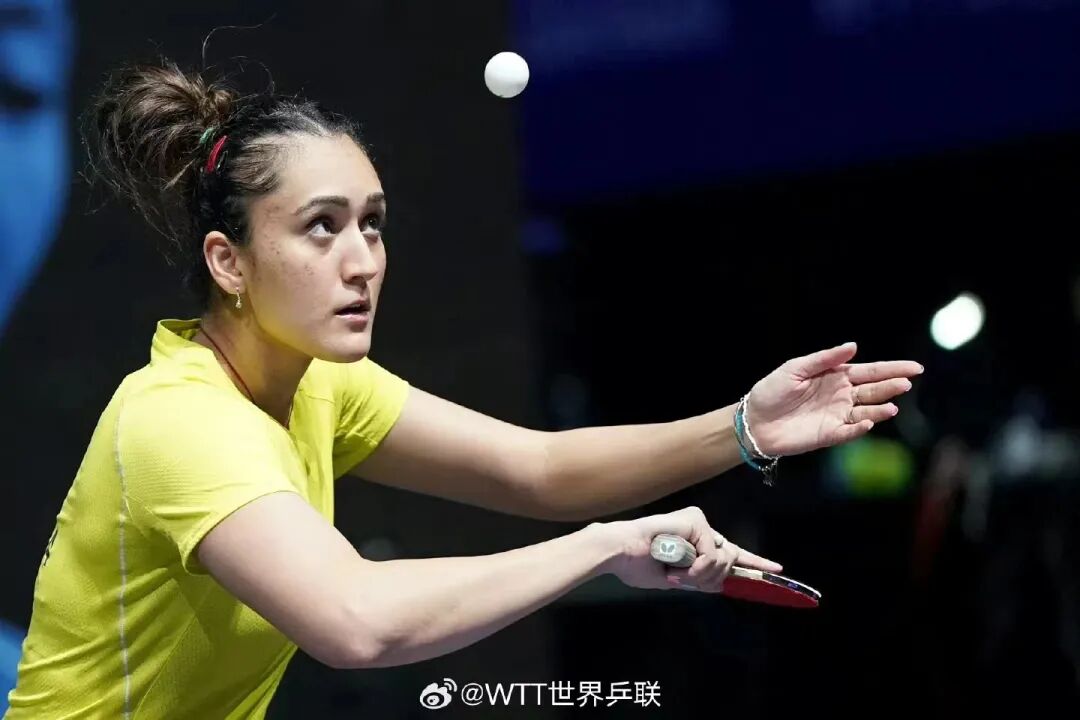
4. The Short Ball to the Forehand Corner Remains a Weakness for Almost Everyone
Receiving a short ball served to the middle-forehand zone requires movement before you can execute — and it never exists in isolation. Nowadays, a short serve to that spot is always paired with a fast deep ball to the backhand, making it serve as a misdirection tool.
On top of that, the middle-forehand short position demands an in-the-moment decision: do you take it with your forehand or backhand? Do you flick, place short, push long, or drive? You can’t handle it on pure instinct — and you still have to read the spin direction.
To add to the difficulty, younger stars tend to have stronger backhands while their forehand flick hasn’t fully matured. Harimoto Tomokazu, for instance, has only really been able to flick with his forehand in the past couple of years, and even then mostly crosscourt.
For most recreational players, this spot isn’t a crisis mainly because “everything is a crisis” at that level. Also, high-tack rubbers like Hurricane handle short ball control well — the stickiness gives you a margin for error even if your timing is off. It’s only at the advanced amateur level that this position truly becomes contested ground.
At the professional level, having no obvious weakness here is critical. Hugo Calderano and others have been turning to lightly tacky rubbers to address short ball problems on the forehand side. High-bounce frictionless rubbers do tend to pop up more easily.
5. Serving from the Middle or Serving Backhand-Style
At this tournament, Matsushima Kiryu and Harimoto Tomokazu exemplified the first approach; Felix Lebrun exemplified the second. Both options give your opponent a different look in terms of rhythm and angle — it takes a moment to adjust.
The most immediate practical benefit of both styles is that you can keep the ball shorter — less likely to pop long. When serving from the forehand side tends to go long and give your opponent easy attacks, try one of these.
Of course, serving from the middle or using a backhand-style serve also suits players with stronger backhands, helping them launch attacks and compensate for the larger forehand gap.
6. Attacking the Opponent’s Elbow (Middle-Body Zone)
In an era where backhands dominate, targeting this spot is more effective than ever. And over the past two years it’s evolved further — whether to go slightly to the backhand side or the forehand side of that elbow zone is now something players have to decide on the fly during rallies.
7. Speed Is the Defining Megatrend
Everyone watching has noticed this. Added spin can be effective too, but varying the spin requires exceeding what your opponent anticipates — far harder to execute than simply upping the pace. The ZYRE-03 rubber is genuinely interesting in this context. Despite not quite reaching the “spin 100” that Butterfly’s marketing claims (the spin isn’t even particularly rich, to be honest), it does deliver a smooth speed boost while maintaining exceptional dwell time. That lets a lot of players push the pace more directly and without hesitation.
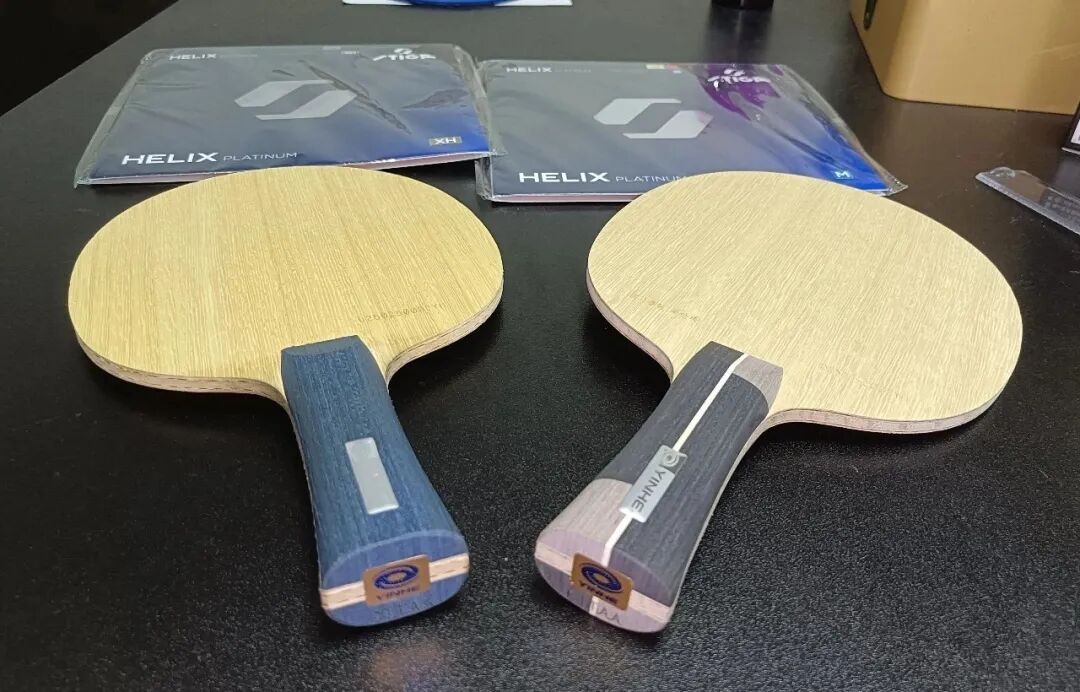
Looking at blade development: outer carbon blades obviously lend themselves to speed naturally; inner carbon blades are also getting faster. The Tibhar Felix Lebrun doesn’t excel at deep power but has solid close-table first-bounce speed. Moregard’s Cyber 6 is known for its sudden acceleration ability. The W968 has shifted toward the more nimble S968. Even my own custom KLC blade had its fiber layers thickened, dramatically boosting explosive power and backhand exit speed.