A Roundup of the Best 7-Ply All-Wood Blades
The world of 7-ply all-wood blades has had more than one legendary piece of wood. The most budget-friendly entry is the Galaxy U2 and U2s. Nothing at that price range comes close — especially when you factor in build quality, which still edges out the Kokutaku 7-ply. The U2 once topped Chinese domestic blade sales charts. It offers a balanced feel that suits both topspin and flat hitting, with good dwell and amplification. A solid choice for beginners and students alike.
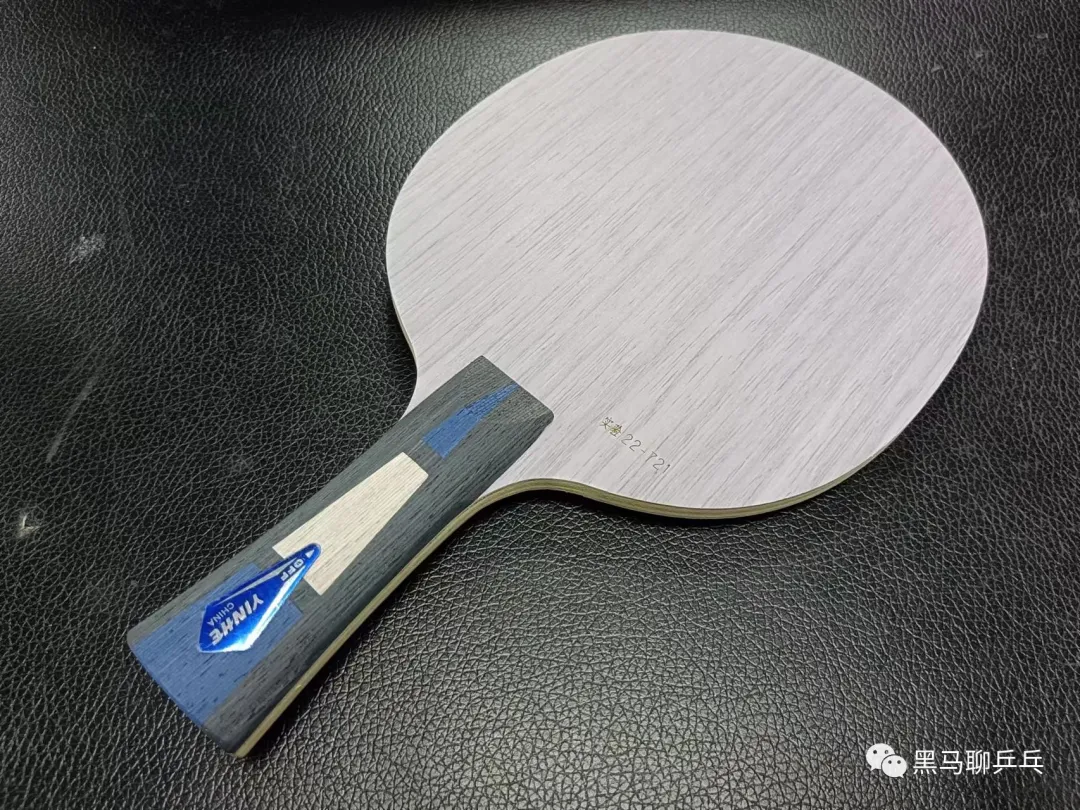
But when we talk about the truly elite 7-plies, there’s a whole lot to dig into.
1. Stiga Clipper
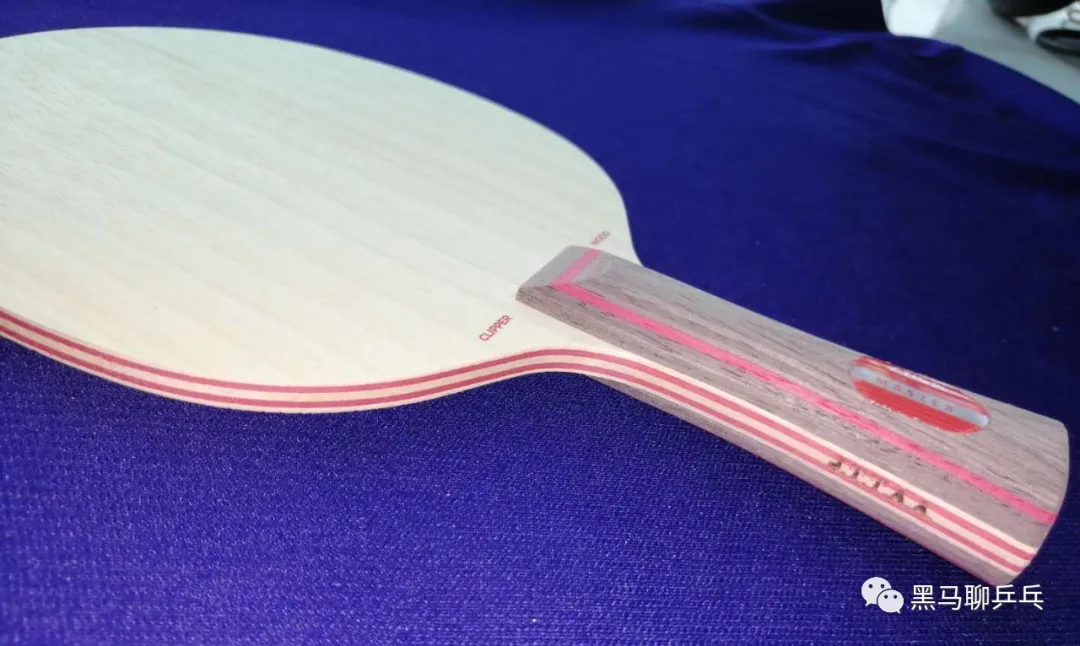
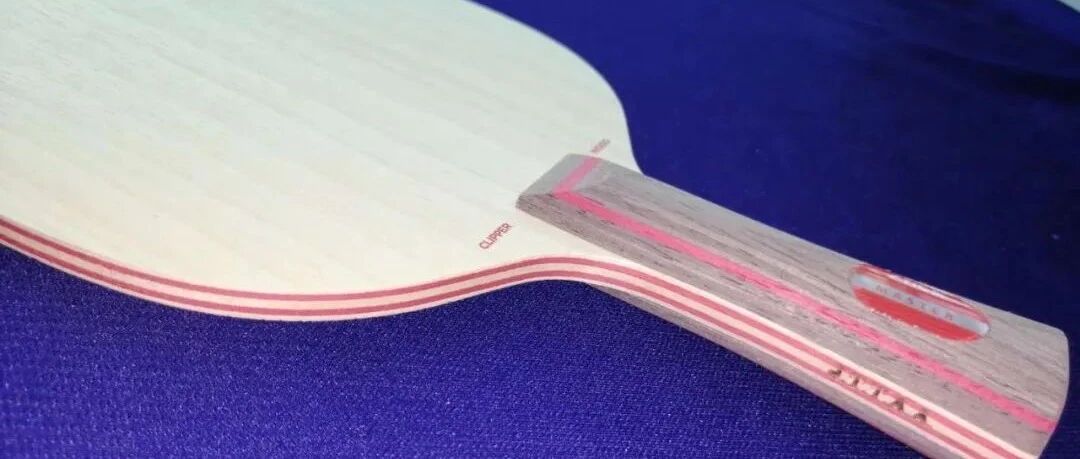
The Clipper’s last moment in the spotlight was probably Mima Ito winning the 2016 World Cup women’s singles. Her setup at the time: Clipper, Tenergy 05, Tenergy 64. That was a Japanese version Clipper. I find the Japanese version has a warmer, more cushioned feel, and the surface starts out smooth — though I later noticed it still develops a slight pull over time.
As for which version is better, you don’t need to overthink it. Kasumi Ishikawa was using a Chinese domestic Clipper CR at the time — she clearly trusted the Chinese market version. Ma Long gets a mention here too.
The Clipper has built countless world champions. Liu Guoliang, Zhang Chao, Mu Zi, Hao Shuai, Guo Yan, and others have all played with it. Today it plays with faithful, linear response at low-to-moderate power, but it still has punch when you drive through it hard. Mostly it rewards clean, deliberate technique.
2. DHS Special 506
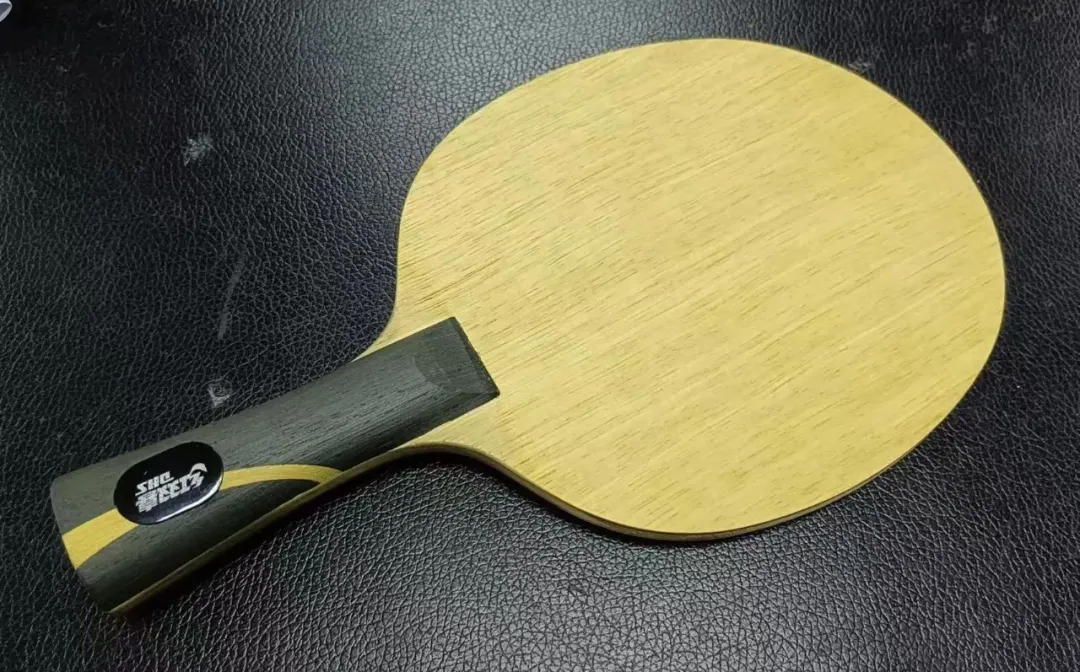
Beyond the Clipper series, the other blade widely called a legend is the 506 — the one Ma Long used to build his 56-game win streak in 2011. Unlike the Clipper, where the three inner plies are nearly equal in thickness, the 506 has a noticeably thicker core ply. At first glance it almost looks like a 5-ply. The dwell sensation is also quite pronounced — again, reminiscent of a 5-ply.
That said, the overall stiffness and speed exceed a pure 5-ply all-wood. That’s because the 506’s core ply runs horizontally, whereas 5-plies typically have a vertical core.
This blade — forceful yet controlled, powerful yet measured — became a legend. Key players who used it include Ma Long, Hao Shuai, and Singapore’s Feng Tianwei.
3. Butterfly Chen Jianan Limited Edition
Butterfly’s Japanese-style adhesives and their special wood treatment give this blade a distinctive character: lively, bouncy, and clear in feedback. Under power, you feel a sharp spring through the ball — destructive force that surpasses many aramid-carbon blades on the market today. Compared to the W506, which deserves to be called the more pure topspin blade, the Chen Jianan LE demands a bit more technique to unlock. It’s faster, better suited for fast-arc play. When you fully drive through the ball, the weight and quality rival special-production blades.
The slight downside: at around 6.7mm thickness, touch play and short-game control can feel a little blurry. Players who are used to thin carbon blades will need time to adjust. Clean, compact technique works best. The backhand is a standout — not just sharp like outer aramid-carbon, but also with a satisfying grip on the ball. You get spin and aggression together. The forehand has a bit more of a technique threshold, but rewards it.
While we’re at it, Korbel SK7: the retail version is unassuming, but Carlsson’s blade was certainly a special-production version — so expect enhanced transparency and spring in the actual pro setup.
4. Victas Swat
Now let’s get to current active players. During her time with Donic, Ni Xialian played the Persson Power Speed. After joining Victas, she switched to the Swat. Most Stiga Clipper variants run 6.6mm and above; the 506 sits around 6.4mm; the Swat is around 6.0mm.
This blade leans toward a softer 7-ply feel — not particularly sharp, but the face veneer, power ply, and core have all been carbon-treated, giving it enough backbone. Victas later made a Ni Xialian signature version with essentially the same structure but different placement of the carbon treatment.
5. Niwa Koki All-Wood
You have to give Nakayama’s craftsmanship credit — from the Swat to the Niwa Koki all-wood, from the Black Sara to the Banda Offensive, the elasticity across these blades is genuinely impressive. The Niwa Koki’s face veneer has been carbon-treated for better acceleration; quick-touch counterhits feel light and responsive. Overall error tolerance is also fairly high.
6. Szocs All-Wood
This plays similarly to the Black Sara — slightly crisper, though possibly that’s quality-control variation. The Black Sara does feel a bit less solid near the handle.
7. Stiga Ebony 7
The blade of Sun Mingyang and He Zhuojia. The saying goes, “Ebony 5 isn’t soft, Ebony 7 isn’t hard” — and that’s accurate here. Despite the ebony face veneer, the design deliberately softens the expected hardness, which actually makes this a capable topspin blade with a solid deep-ball reserve. Arc quality, continuity, and ball weight are all impressive.