Stop Practicing Backhand Push Wrong: 7 Common Errors and a 4-Stage Training Plan for Shakehand Players
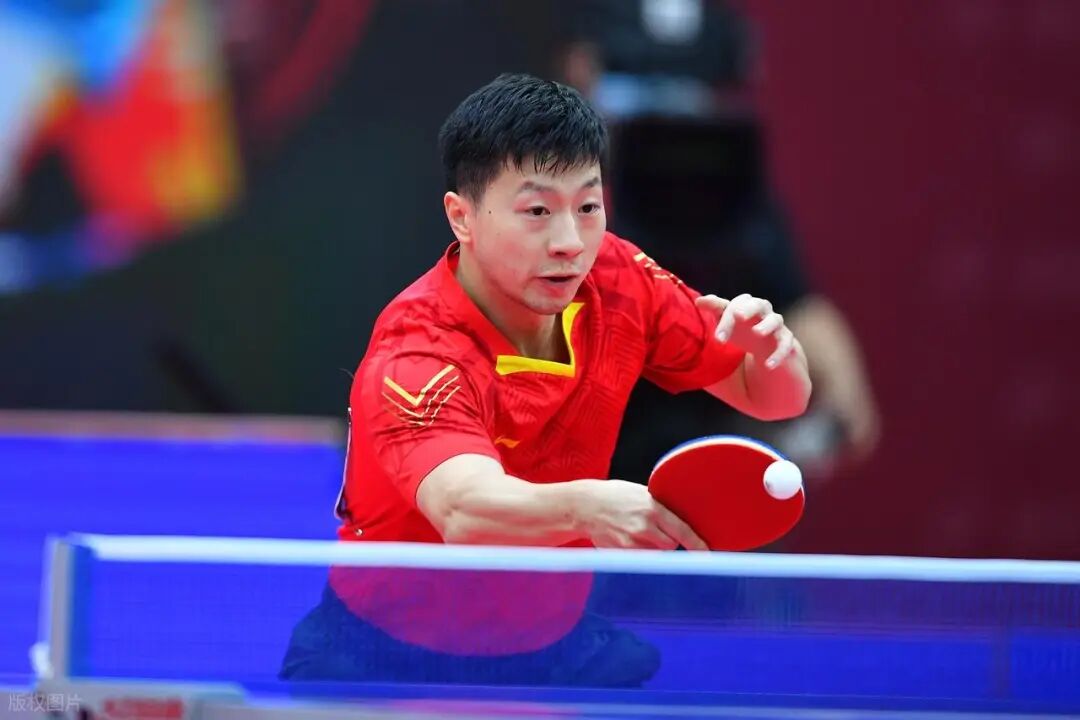
The shakehand backhand push (tui bo) is one of the first techniques beginners should learn: fast, compact, and easy to recover from. This guide covers the full technique — mechanics, practice methods, a training plan, and the most common mistakes.
What Is the Backhand Push?
The shakehand backhand family includes two techniques: the full block (heng bo) and the compact push (tui bo). Think of the block as a cross punch and the push as a jab — the block uses a bigger arm motion; the push emphasizes forearm drive, similar in feel to the traditional penhold push. The push drives the elbow forward and back with minimal wrist rotation, making it compact, fast, and easy to reset. Primary force is forward impact rather than friction — an excellent starting point for beginners.
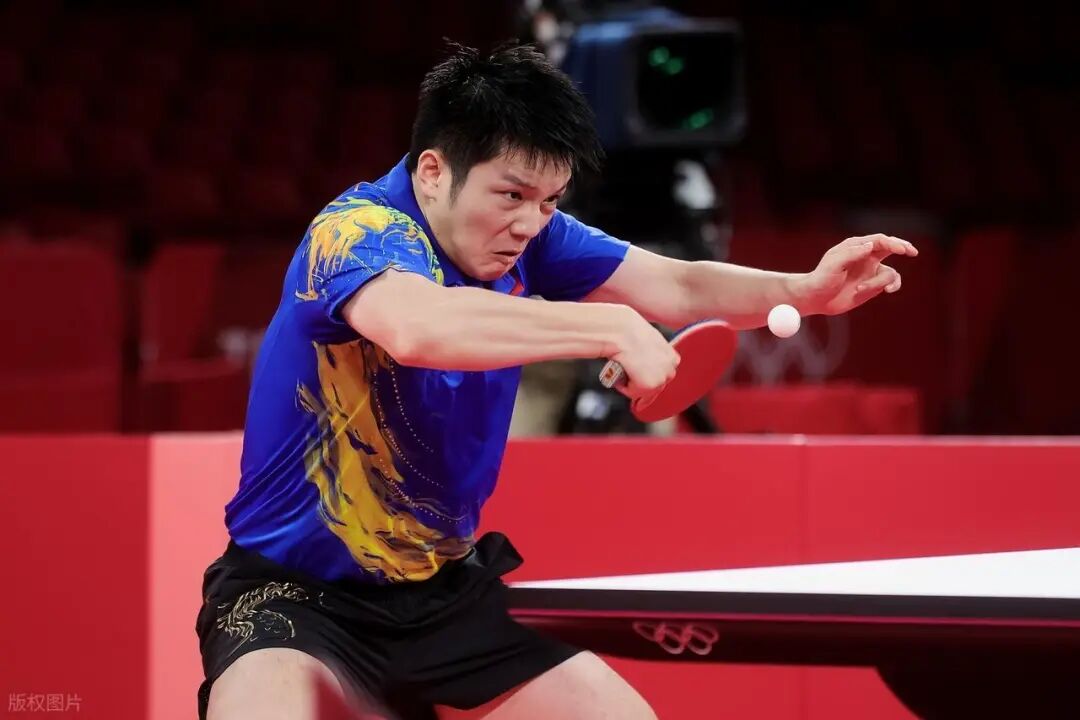
Three Positions of the Backhand Push
1. Ready Position: Stand slightly closer to the table than for a full block, to get to the ball early and create more speed through timing advantage.
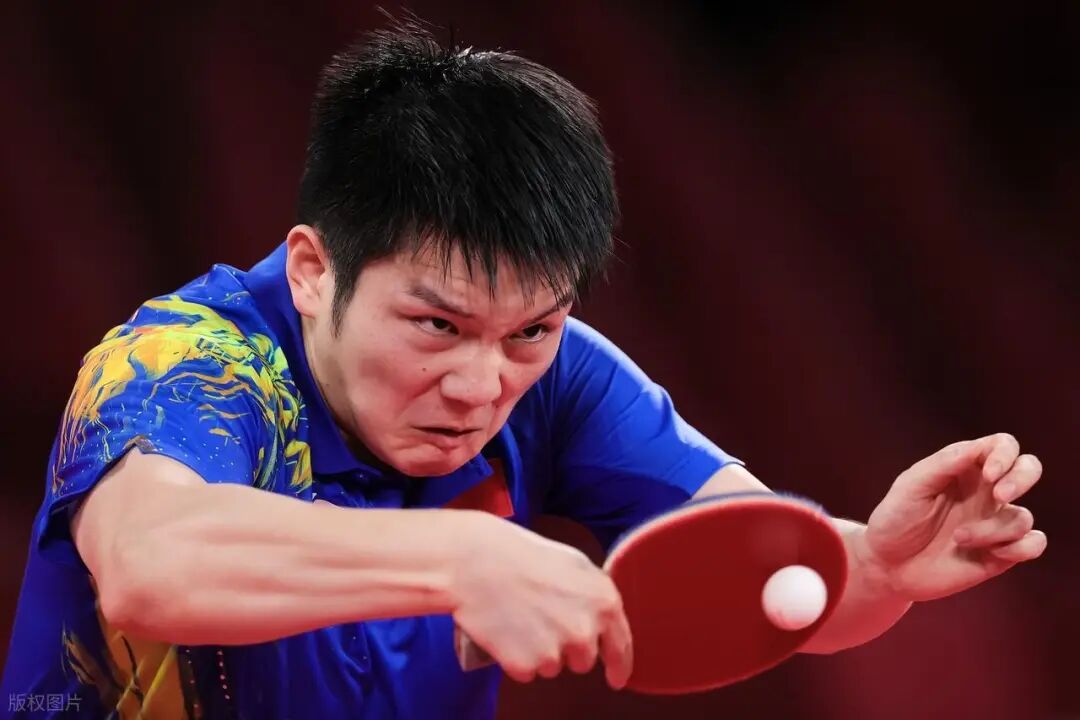
2. Loading Position: Forearm in front of the body with the paddle about 30 cm from the torso. Elbow to the right-front of the body, upper arm at about 20° to the body, forearm at about 80° to the upper arm. The wrist is slightly inward; the handle at about 140° to the forearm; the blade about 15 cm from the table. Unlike the full block, the push has the blade facing diagonally upward at 45° to the upper-left, slightly closed at about 80° to the playing surface. Lower center of gravity slightly to naturally create an upward arc when the ball is hit.
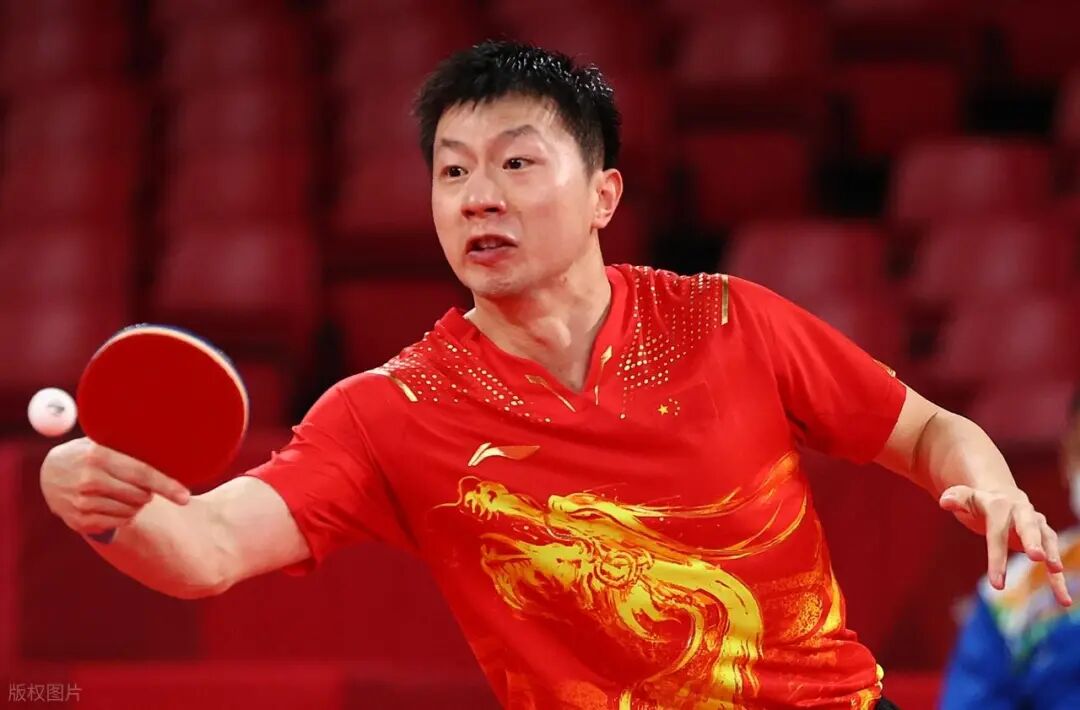
3. Contact Position: Strike the middle-to-upper part of the ball on the early rise. Drive the forearm forward with minimal rotation, the wrist turning forward with the forearm at the moment of contact. Upper arm stays fully relaxed. Blade angle closes from 80° (loading) to about 45° (contact), keeping the arc from going too high. The stroke is primarily a hitting motion with minimal friction; maintain blade angle; keep the red rubber facing your body.
Waist Movement in the Push
Unlike the full block (left-right waist rotation), the push uses a forward-backward motion — like throwing and retracting a punch. Primary force is forward impact. Compare to a topspin backhand loop where the waist rotates left-to-right; the push is different. Reference Ma Long’s push: high wrist flexibility, fast recovery after contact with the upper arm relaxing naturally back.
Three-Stage Learning System
Stage 1: Feel the elbow driving the upper and lower arm forward; keep the arm stable and blade angle solid; imagine the arm is a spring or a punch — keep the elbow moving front-to-back on the right side, don’t let it rise.
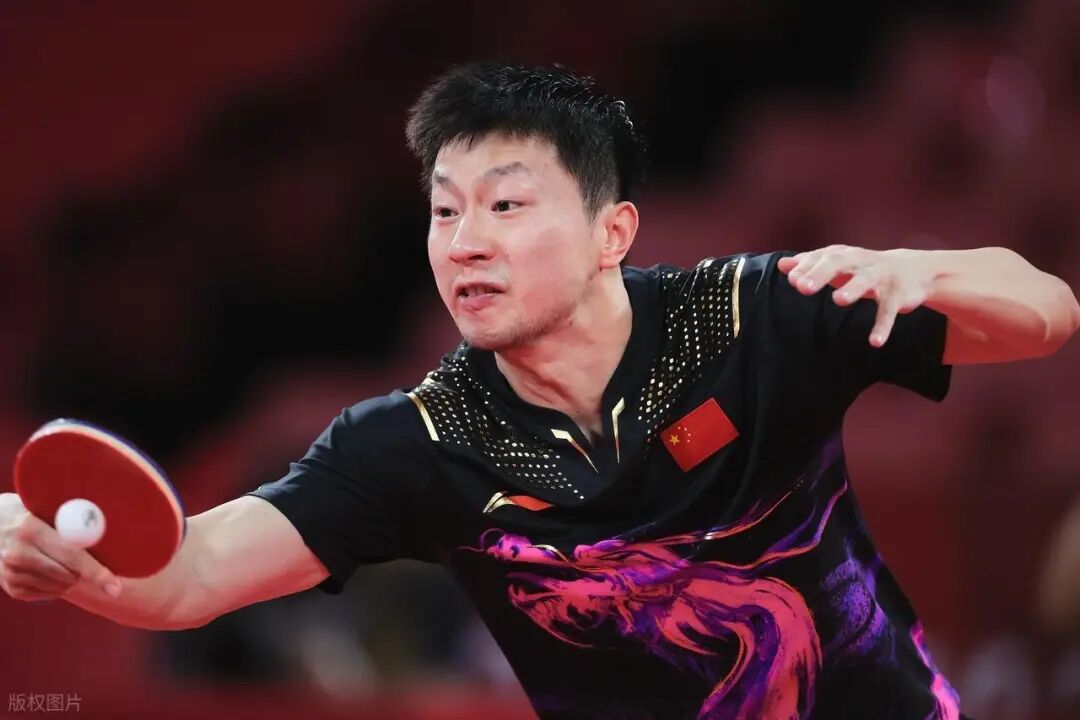
Stage 2: Feel the forearm pressing the blade forward; the wrist maintains the blade angle while the elbow moves front-to-back; don’t let the wrist flip.
Stage 3: Feel the wrist rotation — from inward to outward twist, explosive force at contact; maintain blade angle so the red rubber always faces your body.
Practice Methods
- Dry swings at home: Start with elbow front-to-back motion; add forearm drive and wrist rotation.
- Self-toss drills: Feel the forearm actively driving forward.
- Ball machine or partner feeding: Feed to a fixed spot; follow the three-stage system.
4-Stage Training Plan
- Stage 1 (3 days): Dry swings at home, 10-15 minutes per day. Use a mirror and compare to video. Stabilize the elbow.
- Stage 2 (25-30 min): Ball machine or partner. Focus on getting the ball on table with good placement.
- Stage 3 (3 days): Standardize the motion: 5-minute sessions with video recording; compare and correct.
- Stage 4 (10 days): Reinforce the movement pattern: 30 minutes per day on ball machine. Build long-term motor memory.
7 Most Common Errors and Fixes
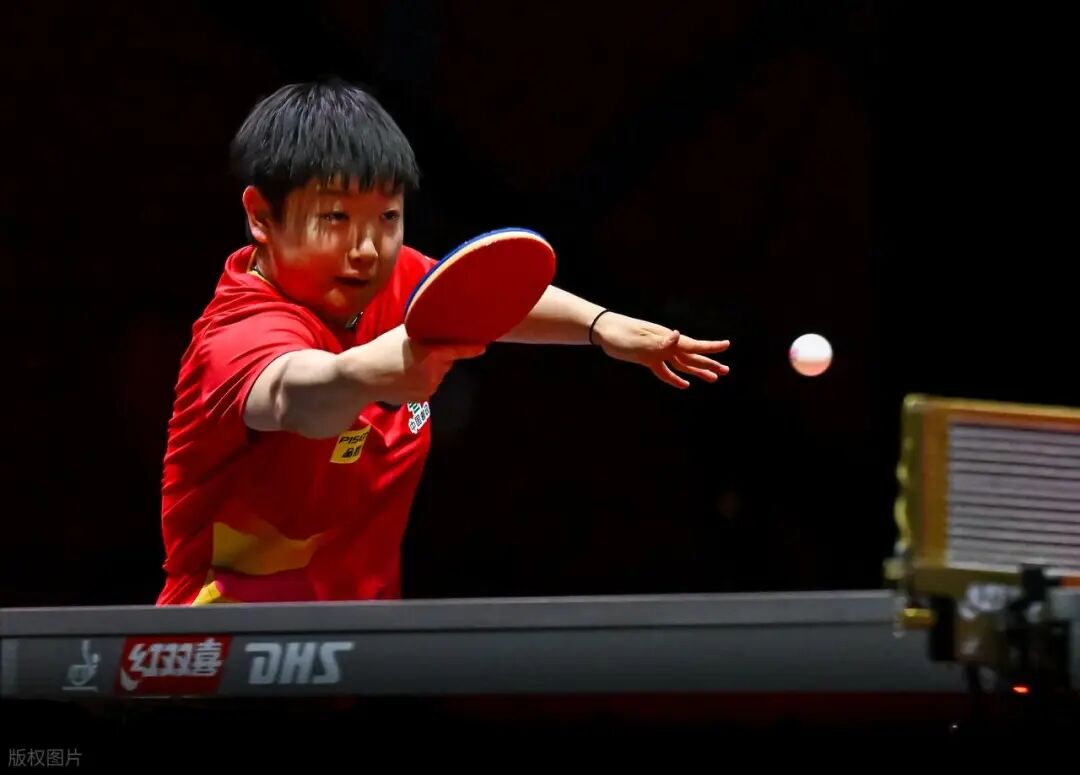
- Elbow lifting: Ball loses forward drive. Keep the elbow moving strictly front-to-back; lock it in.
- Wrist flipping: Blade angle becomes unstable. Practice stages 1 and 2 without moving the wrist.
- Blade angle too closed: Ball hits the net. Tilt blade back to about 80° on loading, close gradually through contact.
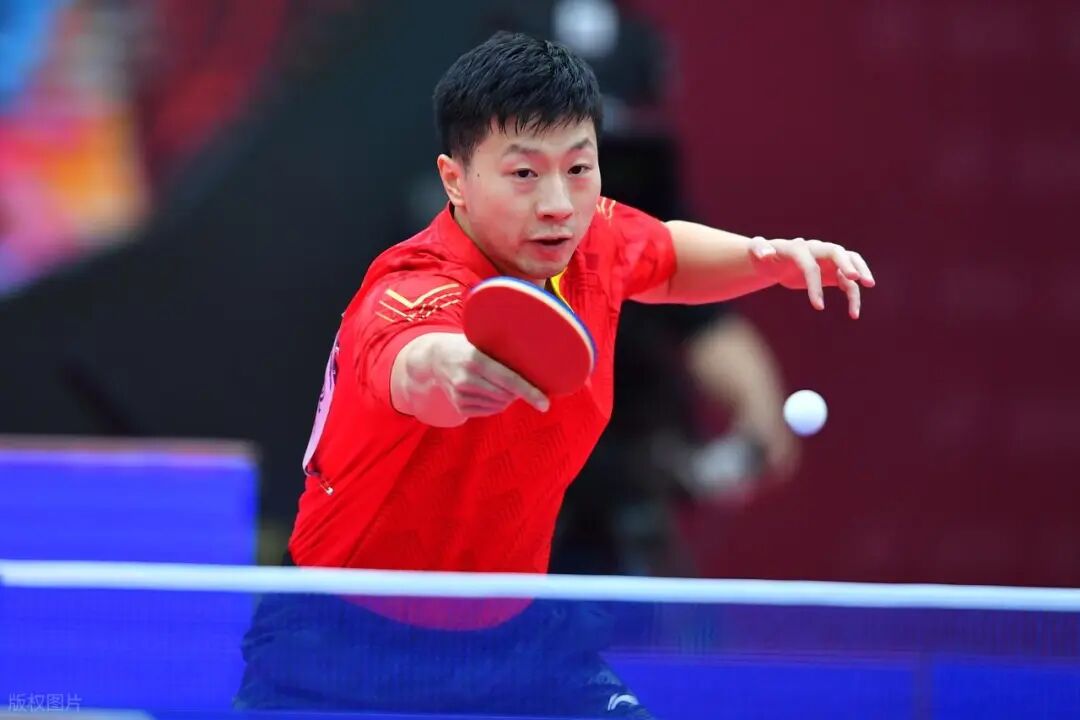
- Gripping too tight: Wrist becomes rigid. Hold loosely enough for the wrist to rotate naturally.
- Pressing: Center of gravity too high, blade angle too high. Lower the center of gravity, bend the knees.
- Incorrect grip: Affects wrist mobility. A deep grip favors the backhand; a shallow grip favors the forehand.
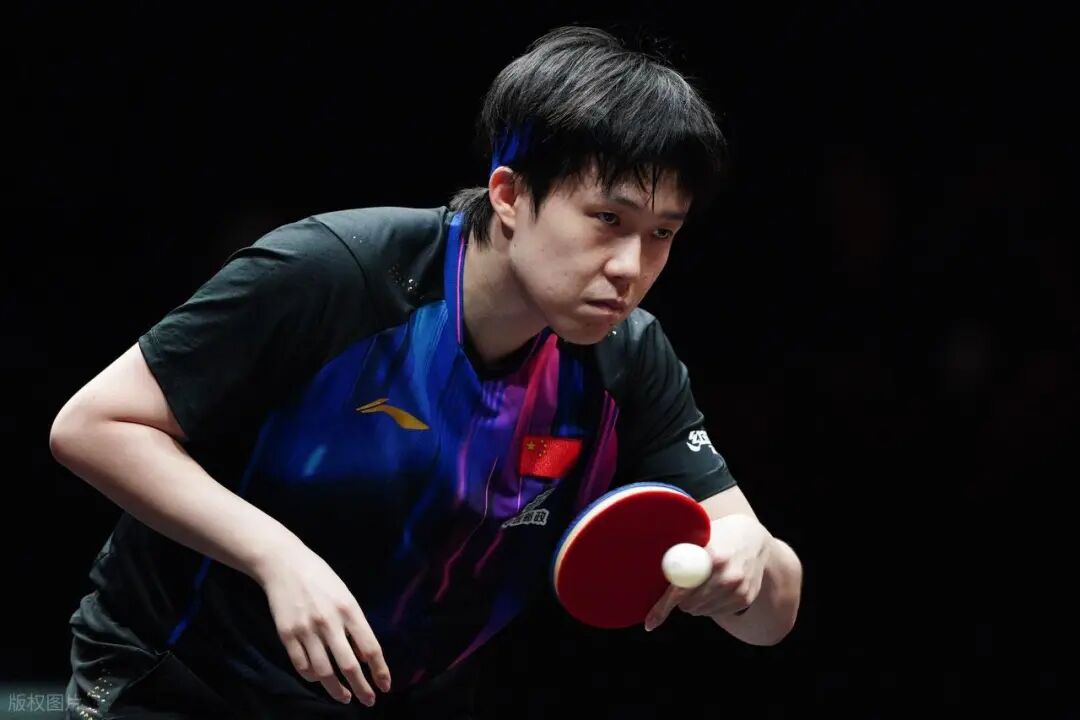
- Center of gravity issues: Too high or leaning back causes unstable contact. Lean slightly forward, bend the knees.
- Loading too far left/right: For beginners, bring the racket back to center or slightly left to avoid wide misses.
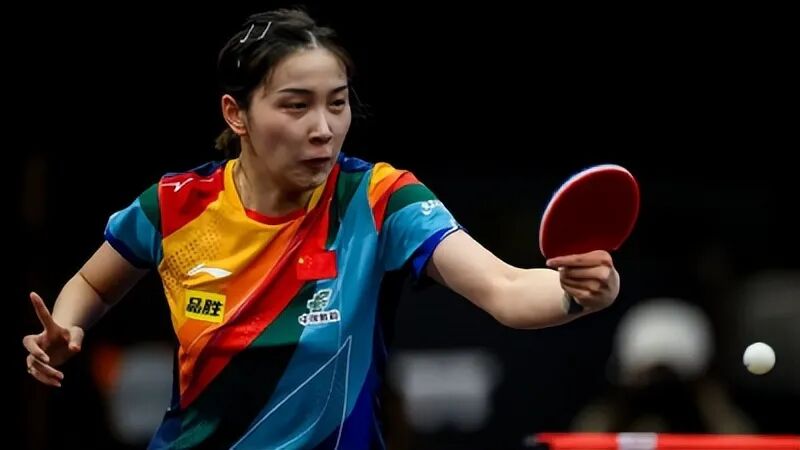
Mastering the shakehand backhand push is one of the quickest wins for beginners. Through understanding the three positions, three stages, practice methods, and the four-stage plan — actively correcting the most common errors — you can develop this technique reliably.