Haruna Hashimoto's Struggles Highlight Japan's Strength in Playing Against Choppers

Haruna Hashimoto’s struggles in the WTT Yokohama Champions tournament highlight a broader strength of the Japanese women’s team—its exceptional ability to handle choppers. On August 5th, Hashimoto lost 2-3 to her teammate Miwa Zhang in the first round. Despite a comeback effort after being penalized for a serve, she ultimately fell short. 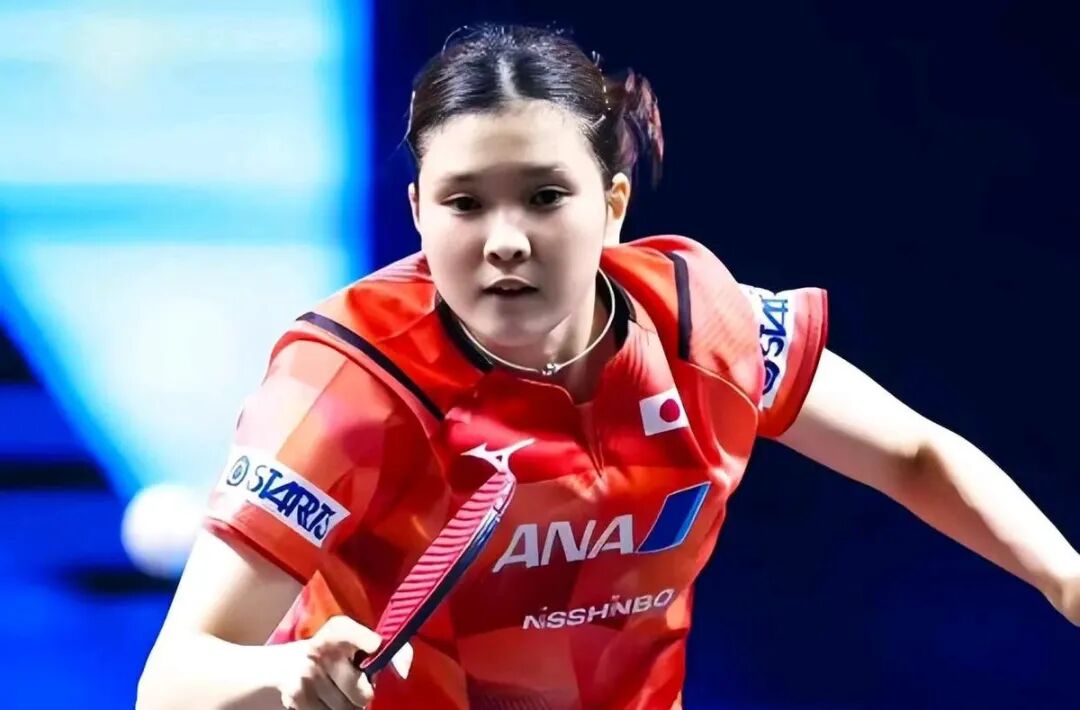
Post-match, Hashimoto expressed regret over her early exit. Reflecting on the game, she acknowledged her difficulties, which inadvertently underscored a key advantage of the Japanese women’s team. 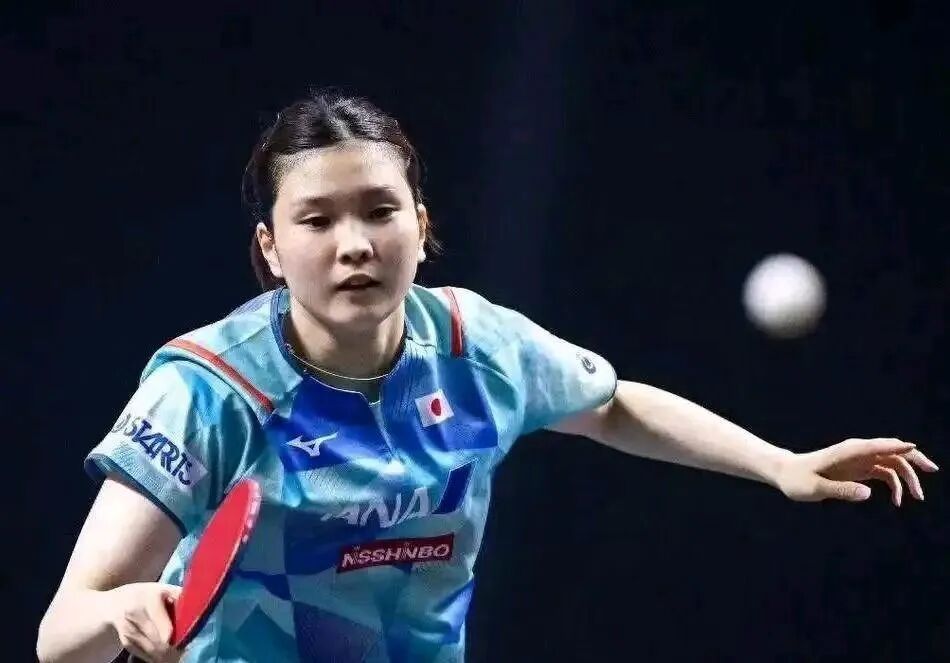
During the second game, Hashimoto suffered a leg strain while making a crucial save and continued to play through the injury after a medical timeout. Despite her efforts, she was defeated, leaving her visibly disheartened. In her post-match interview, she admitted that many Japanese players are highly skilled at countering choppers, leaving her with little advantage in internal team matches. 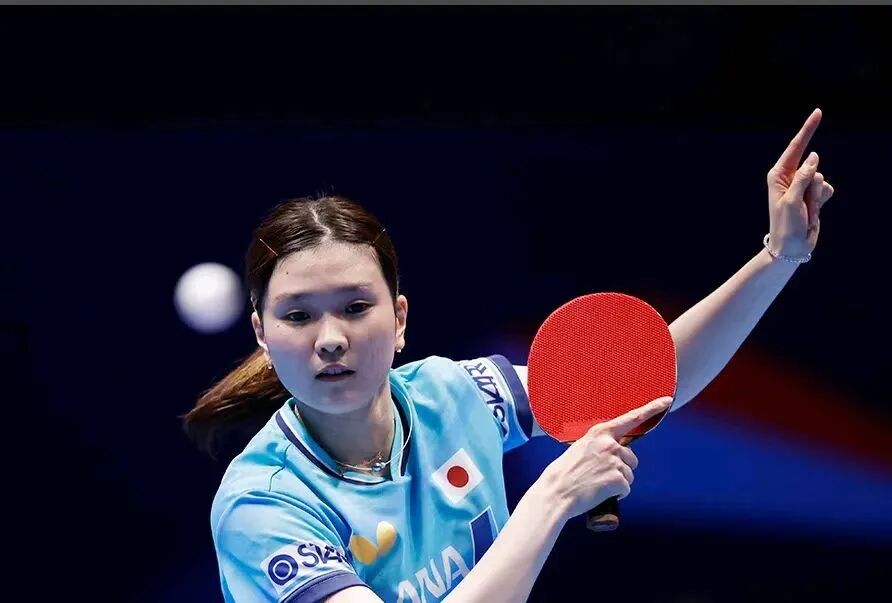
Hashimoto is renowned as the ‘world’s number one chopper,’ with a versatile backhand long pimpled rubber and a strong counter-attacking game. She has defeated many top-ranked players in international competitions. However, within the Japanese team, players like Miwa Zhang, Hina Hayata, and Kasumi Oto have developed effective strategies against choppers. Years of team training mean that Hashimoto’s spin variations, shot selection, and rhythm are well-known to her teammates. 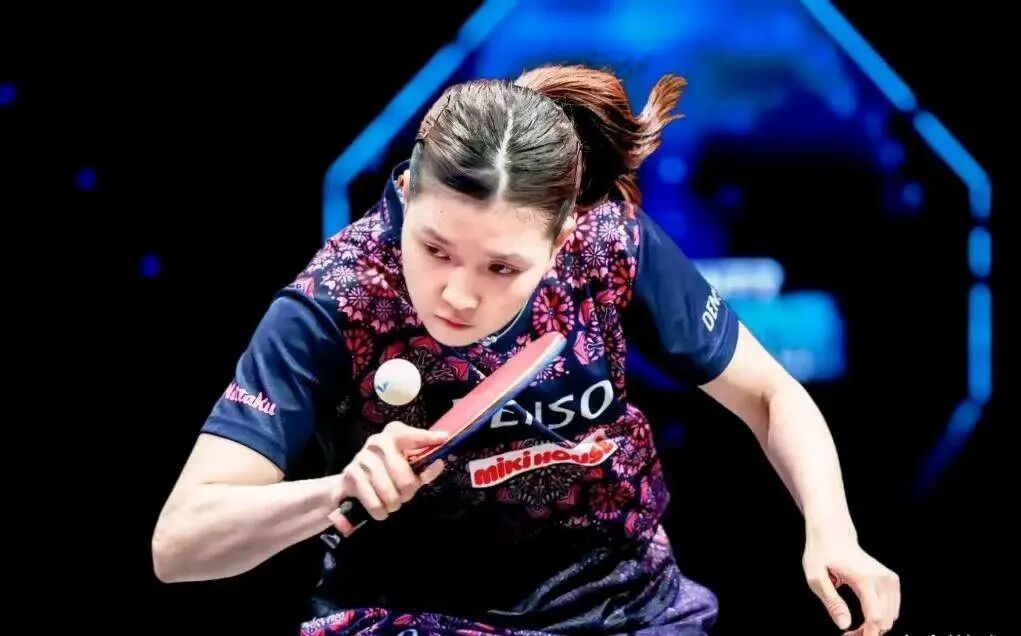
Recent match records show Hashimoto has consistently lost to Zhang and has been swept by Oto multiple times, struggling to find a winning formula even in finals. Her overall record against Hayata is also unfavorable. 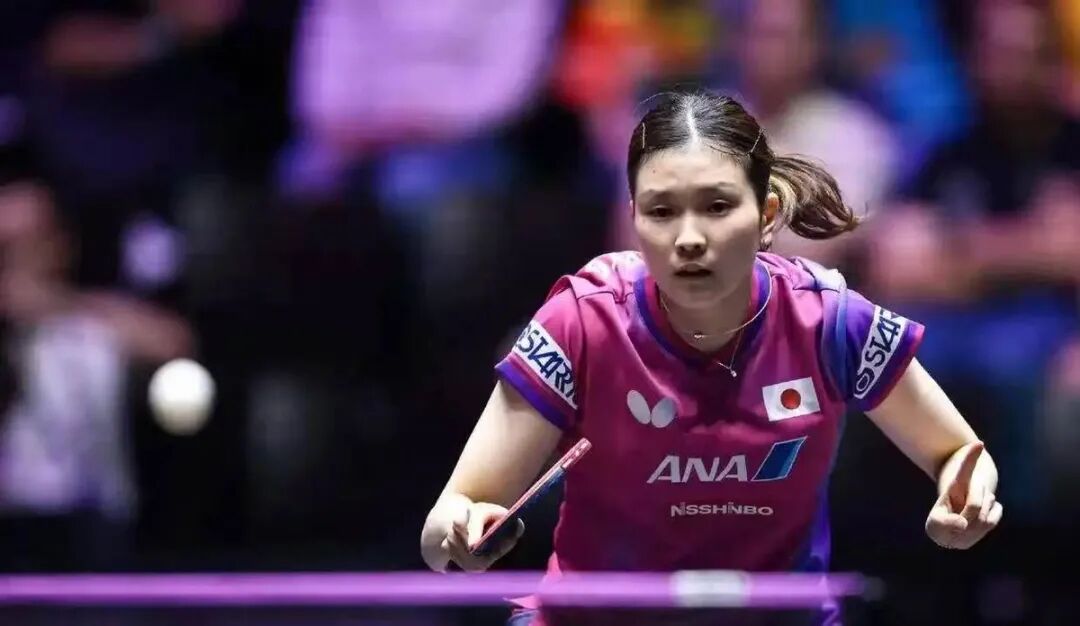
The very strength of the Japanese women’s team—its diverse range of playing styles—is what puts Hashimoto at a disadvantage. With two chopper-style players in the top 20, Hashimoto at 13th and Sato Hitomi at 16th, along with players like Ito Mima (17th) who use different rubber styles, and more uniquely, Shiori Koshikawa with her unconventional grip and style, the team is well-equipped to handle various opponents. 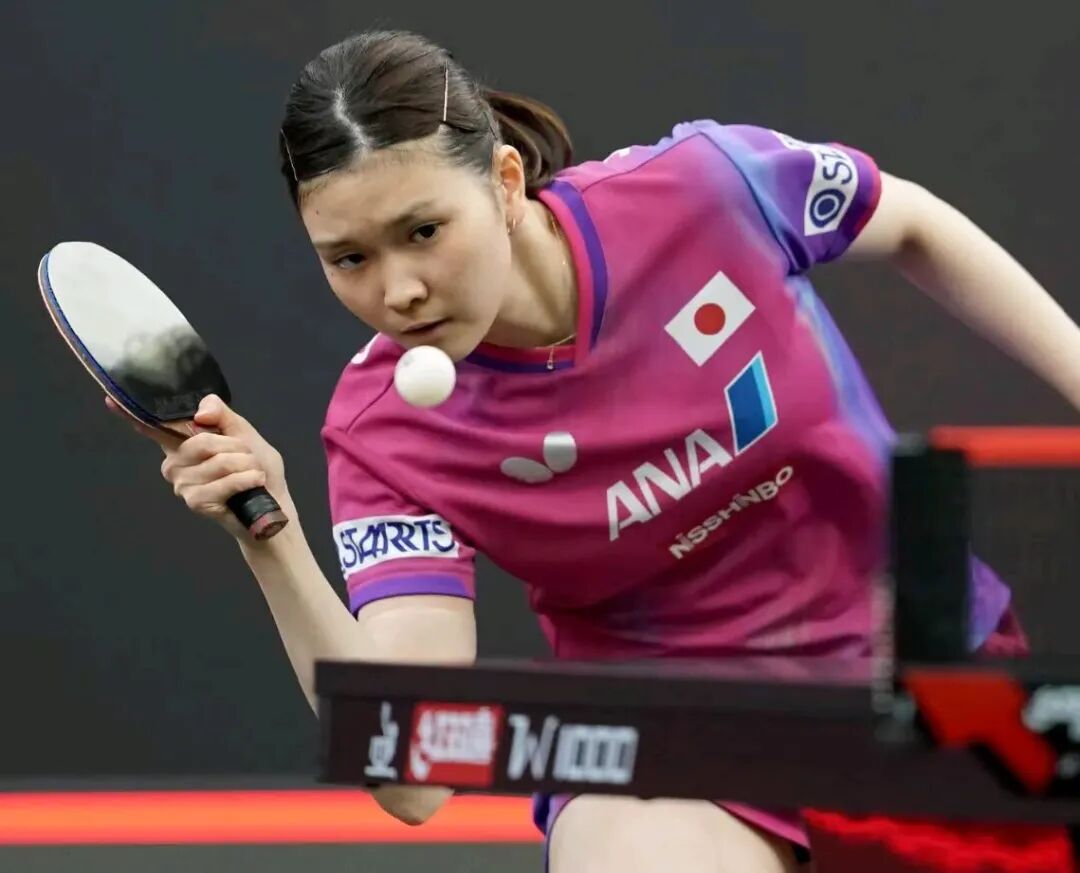
This variety in playing styles benefits the Japanese team as a whole, enhancing their overall strength. However, for Hashimoto personally, it means she lacks a competitive edge in internal matches. In team trials and international competitions, she finds it challenging to surprise opponents with her chopper style, making it harder to advance compared to chopper players from other associations. 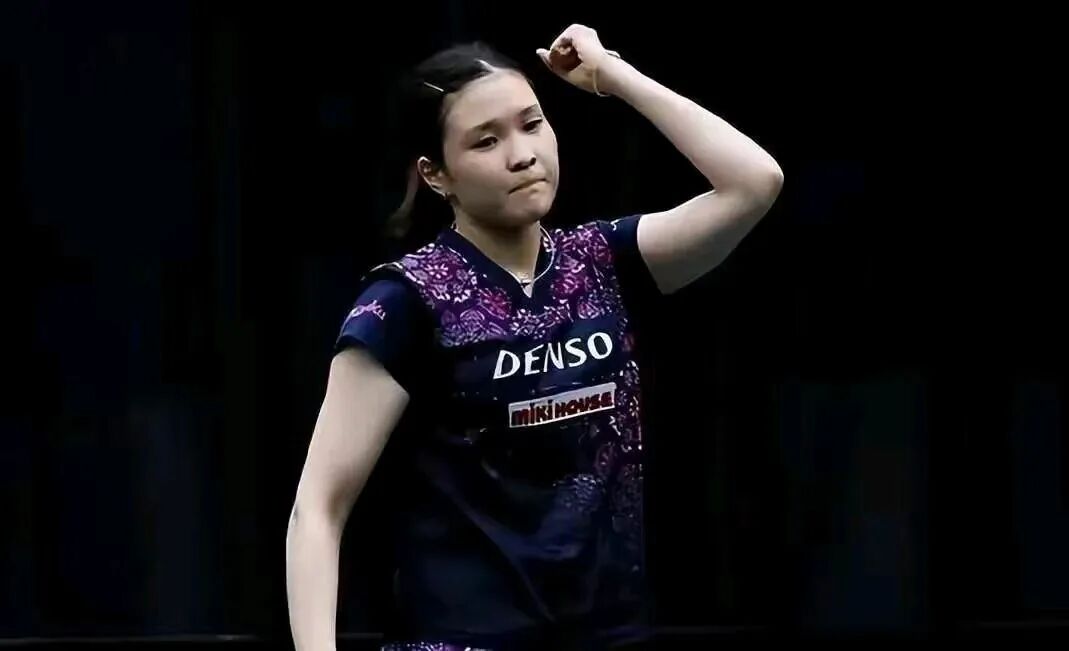
Moreover, the chopper style is physically demanding, and as Hashimoto ages, the risk of injury increases. At 28, breaking through her current predicament presents a significant challenge. - Table Tennis Network’s Alei Li Long, Original Content