Tibhar Evolution FX-P vs Xiom Vega Europe: Which Should You Buy?
| Tibhar Evolution FX-P | Xiom Vega Europe | |
|---|---|---|
| Our rating | 8.4/10 | 8.0/10 |
| best_side | Backhand or allround forehand | BH |
| control | 68 | 9 |
| speed | 94 | 7 |
| spin | 98 | 8 |
| sponge_hardness | approx 40 degrees (softest in Evolution line) | around 47.5 degrees (soft, listed near 42.5 ESN) |
| type | Inverted / tensor | inverted |
| weight_uncut_g | 68 | 60 |
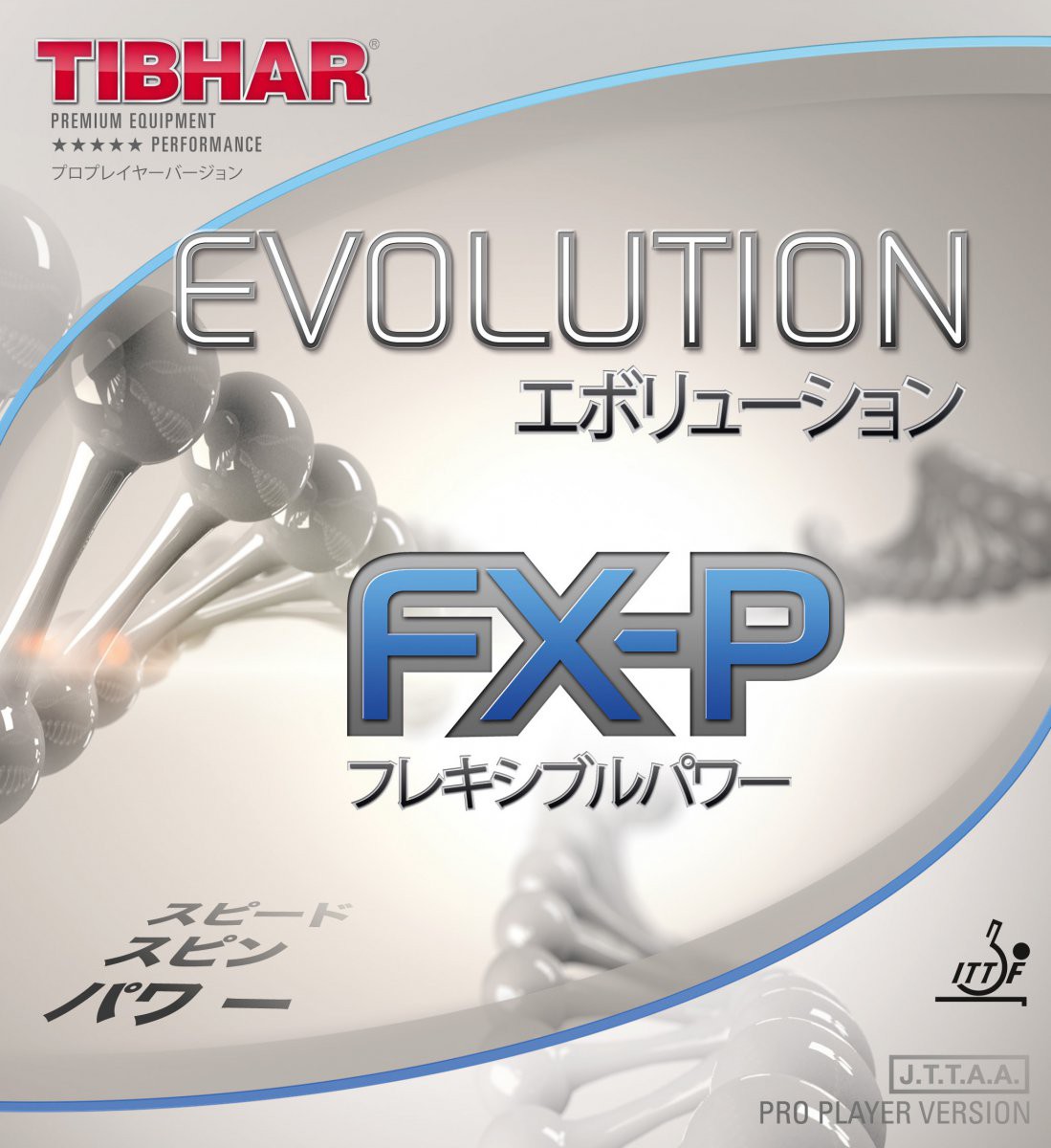
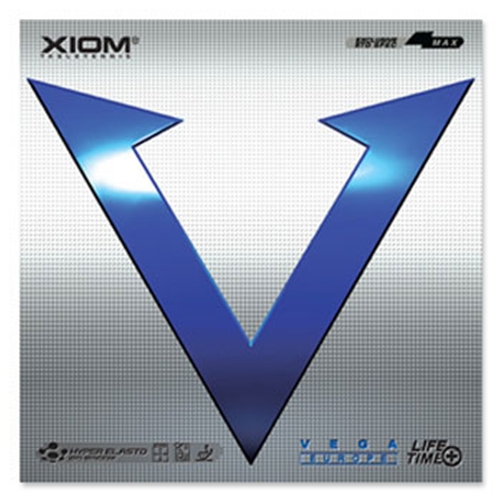
We may earn a commission from links on this page. Learn more.
Fast Verdict
This is the closest matchup in this batch on raw numbers. Tibhar Evolution FX-P (rating 8.4) and Xiom Vega Europe (rating 8.0) are separated by 0.1 points or less on speed, spin, and tackiness, and by only 0.2 to 0.3 points on control and durability. If you only looked at the radar chart, you would be forgiven for thinking these two rubbers are basically the same product at different price points. They are not, and the one axis where they genuinely diverge, throw, explains the whole story.
The Axis That Actually Matters Here
Throw differs by 0.8 points, 5.5 for FX-P versus 4.7 for Vega Europe, and this is the largest gap in the pair by a comfortable margin. Throw describes the trajectory and dwell time the rubber imparts on contact: a higher throw means the ball leaves at a higher, longer arc with more dwell time to load spin, while a lower throw keeps the ball on a flatter, more direct path. FX-P’s higher throw fits its pros directly: reviewers describe outstanding spin generation and dwell time, plus excellent control on loops specifically. Vega Europe’s lower throw fits its own pros just as directly: reviewers highlight exceptional blocking, short game, and serve returns, the kind of flat, stable contact that a lower-throw rubber is built for.
Every other axis is close enough to call a tie. Speed is essentially identical (8.6 versus 8.7), spin is close (9.1 versus 8.9), control is close (8.9 versus 9.1), tackiness is nearly the same (2.0 versus 1.9), and durability differs by only 0.3 points. None of these differences would be noticeable in a blind hit-test. What separates these two rubbers in practice is not how hard or spinny they are, it is the shape of the arc they produce, and that comes down to throw.
What The Sponge Data Adds
The spec sheet lists FX-P’s sponge hardness around 40 degrees, described as the softest in the whole Evolution line, while Vega Europe sits notably higher, around 47.5 degrees by one measure. A softer sponge combined with a higher throw is consistent with FX-P’s reputation, per Revspin and TableTennisDaily coverage, as an unusually forgiving rubber for mishits with a high return rate. Vega Europe’s firmer sponge and lower throw line up with RacketInsight’s description of it as spin-insensitive and stable, good for receiving serves and blocking without the ball ballooning up.
Who Each Rubber Actually Fits
FX-P’s bestFor targets intermediate to upper-intermediate allround players who want consistent spin and high error forgiveness, especially on the backhand or with a flexy allround blade. Vega Europe’s bestFor targets beginner and intermediate allround players who want maximum control and stability on the backhand at a low price, and anyone building reliable strokes before moving to faster tensors. Notice that both bestFor descriptions mention the backhand and both mention allround use. These rubbers are not competing for wildly different players; they are competing for the same general skill band with different priorities, arc versus flatness.
Should You Switch?
If you are on Vega Europe and want more spin generation and a bigger loop arc without giving up much control, FX-P is a sensible step up, and its price positioning as a Tenergy alternative makes it a reasonable investment. If you are on FX-P and specifically struggling with blocking or short, flat exchanges, Vega Europe’s lower throw and firmer sponge may suit that specific need better, at a lower price. Neither move is dramatic given how close the raw numbers are.
Bottom Line
Do not choose between FX-P and Vega Europe based on speed, spin, or tackiness numbers; they are essentially tied. Choose FX-P if you want a higher, longer arc for looping and more forgiveness on mishits. Choose Vega Europe if you want a flatter, more stable trajectory for blocking and short-game consistency at a lower price.
Frequently asked questions
Are Tibhar Evolution FX-P and Xiom Vega Europe basically the same rubber?
On speed, spin, tackiness, and durability, yes, they are within 0.1 to 0.3 points of each other. The real difference is throw, where FX-P sits 0.8 points higher, giving it a longer, higher arc built for looping.
Which rubber is better for blocking and short game?
Xiom Vega Europe. Its lower throw keeps the ball on a flatter path, and its own review coverage highlights exceptional blocking, short game, and serve returns as its main strength.
Is FX-P worth the higher price over Vega Europe?
If you specifically want more forgiveness on mishits and a bigger loop arc, yes. If your game is mostly control-first blocking and stable strokes, the cheaper Vega Europe delivers very similar raw numbers.