Palio CJ8000 2-Side Loop vs Tibhar Quantum X Pro: Which Should You Buy?
| Palio CJ8000 2-Side Loop | Tibhar Quantum X Pro | |
|---|---|---|
| Our rating | 7.8/10 | 8.5/10 |
| best_side | forehand or backhand | both |
| control | 8.5 | medium |
| speed | 7 | very high |
| spin | 8.5 | very high |
| sponge_hardness | 36-38 deg | 47.5 degrees |
| type | inverted | tensor |
| weight_uncut_g | 57 | 70 |
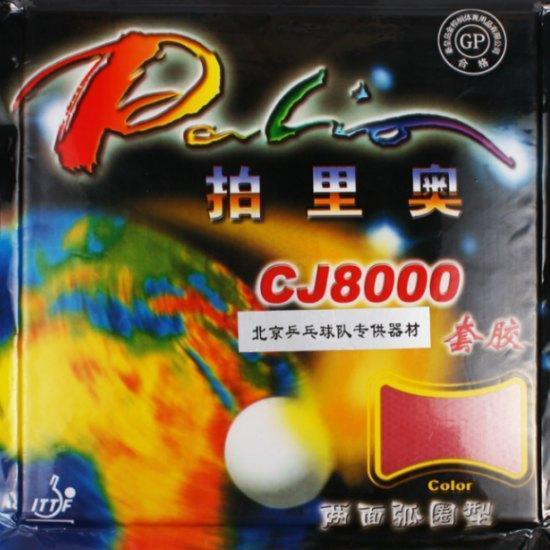
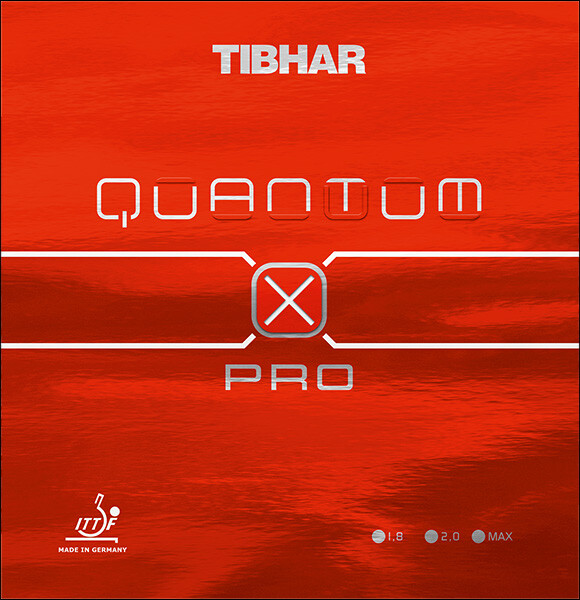
We may earn a commission from links on this page. Learn more.
Palio CJ8000 introduces topspin looping on any blade and budget. Its forgiving character makes it accessible to players aged 40 to 14. Speed and durability compromise its appeal for serious intermediate play.
Tibhar Quantum X Pro specializes in near-table counter-topspin and backhand defense. Its low spin sensitivity makes blocking and countering reliable under pressure. Light weight for a MAX tensor aids maneuverability. Professional player validation confirms elite-level potential.
Beginners choose Palio for loop mechanics. Advanced players seeking backhand control and counter-topspin reliability pick Quantum X Pro.
FAQ
Why is Quantum X Pro lighter than most MAX tensors?
Careful sponge engineering balances performance with reduced arm fatigue, making it sustainable for tournament play.
Does Quantum X Pro work for the forehand?
Yes, but backhand is its strength. On forehand, other Evolution models offer more speed upside.
Can Palio teach me to counter-topspin?
It can, but the low speed and control margin make Quantum X Pro much easier and more reliable.
Is Quantum X Pro forgiving for timing errors?
Yes, more so than hard MX-P. The moderate sponge forgives off-center contact on backhand blocks.