Palio CJ8000 2-Side Loop vs Tibhar Evolution FX-P: Which Should You Buy?
| Palio CJ8000 2-Side Loop | Tibhar Evolution FX-P | |
|---|---|---|
| Our rating | 7.8/10 | 8.4/10 |
| best_side | forehand or backhand | Backhand or allround forehand |
| control | 8.5 | 68 |
| speed | 7 | 94 |
| spin | 8.5 | 98 |
| sponge_hardness | 36-38 deg | approx 40 degrees (softest in Evolution line) |
| type | inverted | Inverted / tensor |
| weight_uncut_g | 57 | 68 |
We may earn a commission from links on this page. Learn more.
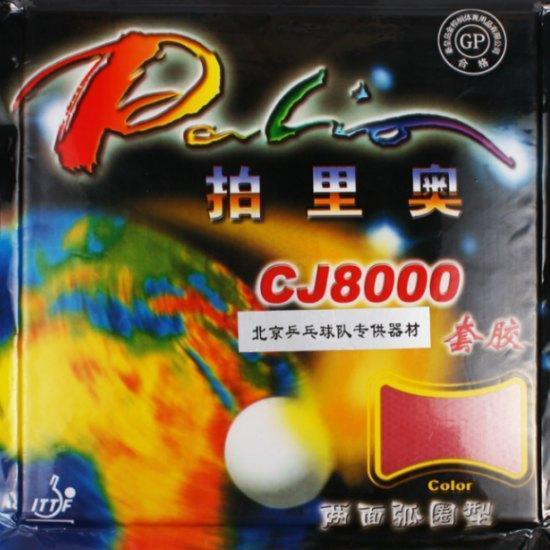
Palio CJ8000 teaches the fundamentals of topspin looping affordably. Its soft touch rewards correct form and builds confidence. The tradeoff is limited speed and durability, especially on the red sheet.
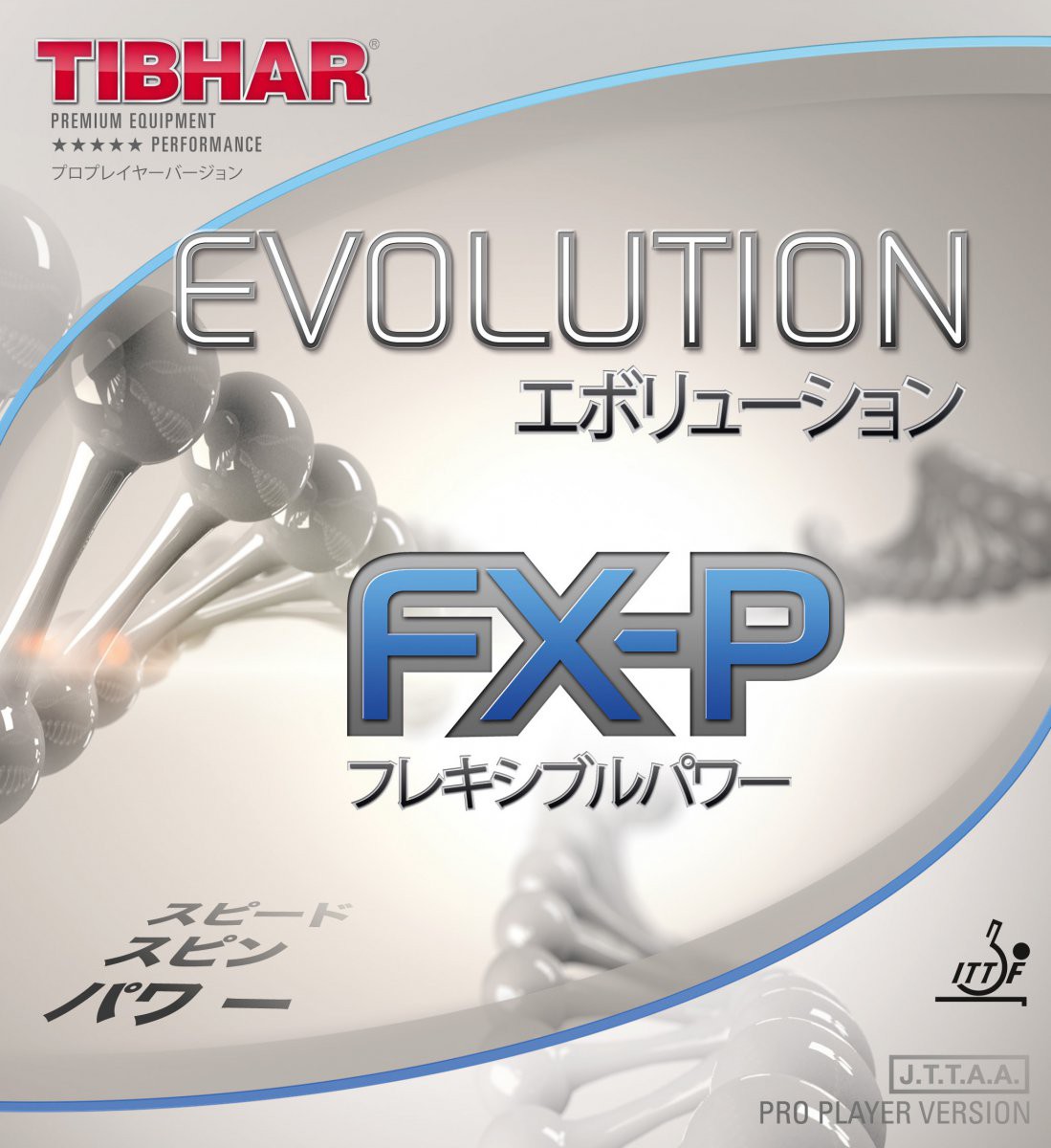
Tibhar Evolution FX-P targets intermediate allround players wanting consistency and forgiveness. It generates outstanding spin on loops, excels at pushes and blocks, and works on both wings. The softest Evolution rubber, it prioritizes touch over raw speed.
Beginners choose Palio for pure loop development. Intermediate allrounders upgrade to FX-P for better control, longer lasting topsheet, and the option to lift heavy backspin.
FAQ
Which is easier to control for beginners?
Palio. Its softer top sheet and lower throw angle feel more predictable for new players.
Can FX-P lift heavy backspin?
Yes, better than Palio. However, at mid or far distance you must commit to a full stroke. Palio struggles with backspin distance regardless.
How long does each rubber last?
Palio: around four months on the red sheet. FX-P: around six months before notable speed loss, with better overall durability.
Should I buy FX-P or keep boosting Palio?
If you play more than three hours weekly, FX-P’s durability and speed advantage justify the upgrade. Casual players can stick with boosted Palio.