Nittaku Fastarc G-1 vs Xiom Vega Pro: Which Should You Buy?
| Nittaku Fastarc G-1 | Xiom Vega Pro | |
|---|---|---|
| Our rating | 8.8/10 | 8.5/10 |
| Best side | Both wings | Both wings |
| Control | medium-high | medium-high |
| Speed (different scales) | 15.0 (Nittaku) | offensive |
| Spin (different scales) | 12.5 (Nittaku) | high |
| Sponge hardness | 47.5° | 47.5° |
| Type | tensor inverted | tensor inverted |
| Uncut weight | 69 g | 69 g |
A row marked “different scales” puts two rating systems in one line. Those cells are not a single score you can subtract.
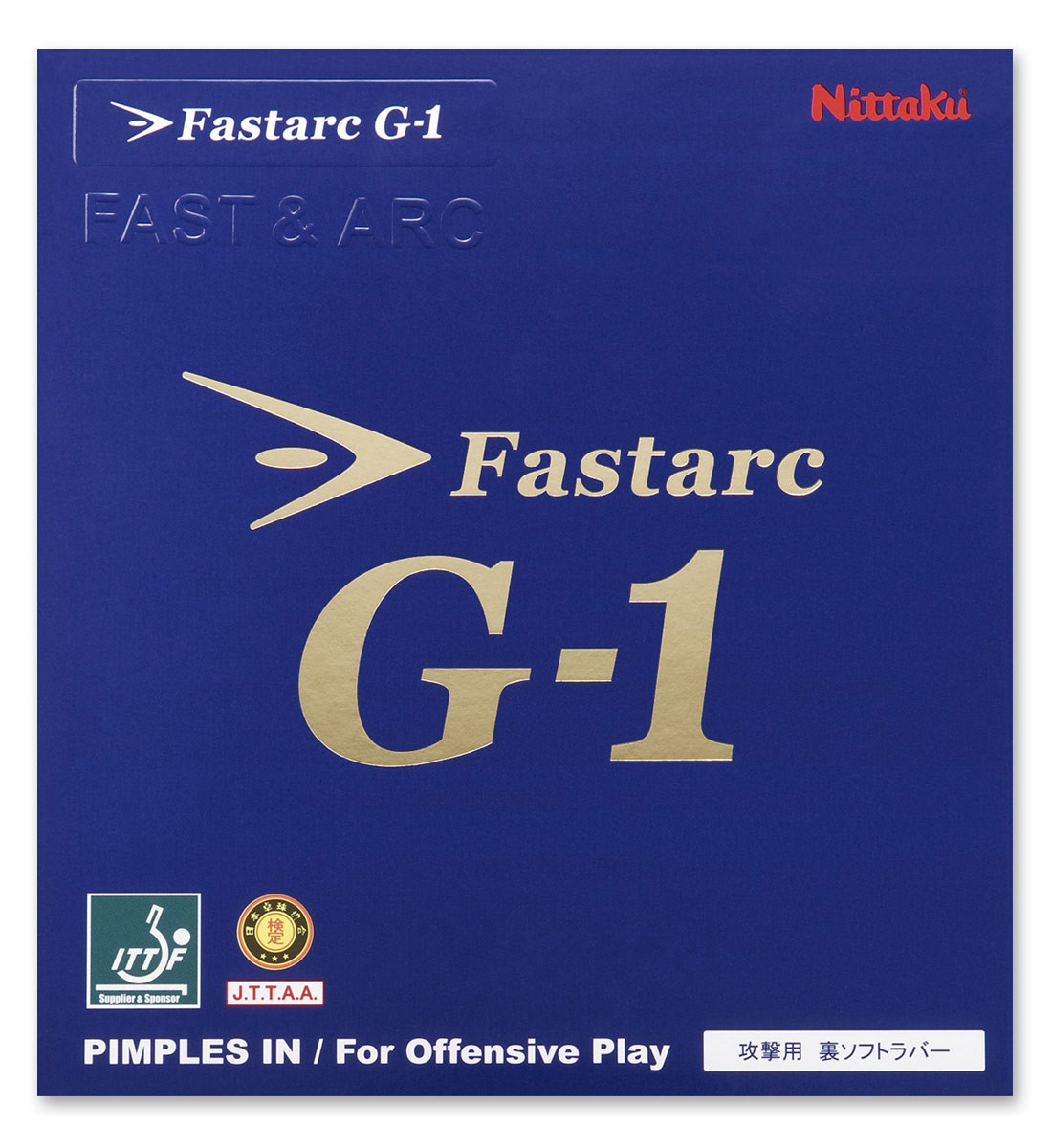
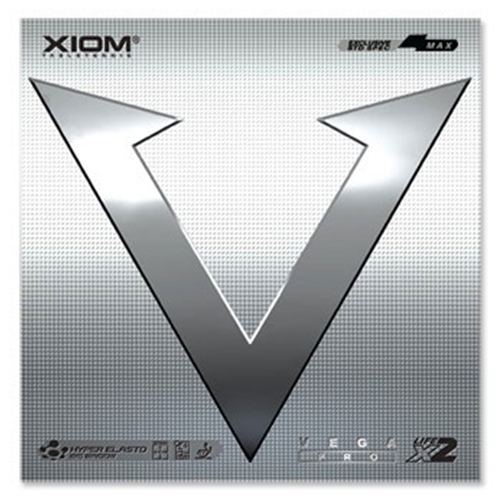
We may earn a commission from links on this page. Learn more.
Start with throw, because it is the biggest gap
Between the Fastarc G-1 and the Xiom Vega Pro, the largest measured difference is throw: 8.5 for the Fastarc G-1 against 6.0 for the Vega Pro, a 2.5-point gap. That is a meaningful difference in how high and safely each rubber sends the ball back over the net on an opening loop, and it means the Fastarc G-1 gives you more margin for error when you are lifting backspin from off the table. The second largest gap is control, 8.0 versus 6.8, a 1.2-point edge to the Fastarc G-1. That is worth pausing on, because Vega Pro’s own listed pros describe it as offering “lots of control in the short game and on opening loops” and reviewers at Revspin and TableTennisDaily praise its linear, predictable catapult with “no uncontrollable catapult surprises.” Both things can be true at once: the Vega Pro can feel more predictable stroke-to-stroke while still landing lower on an aggregated control score, because predictability and outright control ceiling are not the same measurement.
The gaps that do not matter
Speed splits 8.1 to 7.6, a 0.5-point edge to the Fastarc G-1, noticeable but not dramatic. Spin runs 8.9 to 8.2, a 0.7-point edge, again real but not the headline story here. Tackiness (2.5 versus 2.0) and durability (7.0 versus 6.5) are both within half a point, differences you are unlikely to feel across a season of play. It is telling that the spec sheet lists both rubbers under the same “medium-high” control category, yet the actual radar numbers show a 1.2-point gap, 8.0 against 6.8. That is a useful reminder that a descriptive bucket like “medium-high” can hide a real difference; the underlying number tells you more than the label does.
What each rubber is actually for
The Vega Pro, per its own listed strengths, is a forehand-first, stiff-blade rubber prized for being unusually linear and affordable, reviewers note it costs roughly half of Tenergy while getting close to that performance tier, and it is “not tacky,” which its own pros describe as an advantage because it picks up less dust and is less sensitive to opponent spin. Its cons are specific: it needs more physical effort far from the table, it can feel dead on the backhand or on softer blades, and the sponge itself softens over weeks or months, raising the throw as it breaks in. The Fastarc G-1 by contrast is designed and reviewed (Tabletennis11, Megaspin, Racket Insight) as a genuinely all-court rubber for either wing, with a high, safe throw specifically built to make opening loops against backspin forgiving, plus Tenergy-like durability that holds its performance for months.
The switch question
If you currently play the Vega Pro on a stiff blade and forehand-dominant game, and your main complaint is that the sponge gets a little dead on the backhand or that it needs real effort to open backspin from distance, the Fastarc G-1 addresses both of those specific pain points, at the cost of losing some of the Vega Pro’s celebrated linear, predictable catapult feel. If instead you value the Vega Pro’s value-for-money positioning and its low-tack, low-dust-sensitivity character on a stiff blade forehand, there is little in the data here to justify moving away from it; the gaps in speed, tackiness, and durability are all under a point.
Bottom line
The Fastarc G-1 wins clearly on throw and control, the two axes most tied to forgiveness and safety margin on loops. The Vega Pro’s real selling points, according to its own reviews, are its linear predictability, affordability, and forehand-on-stiff-blade character, not raw control or throw numbers. Choose based on which of those two profiles matches how and where you actually play, rather than assuming one rubber is simply better across the board.
Frequently asked questions
Which rubber is more forgiving on opening loops against backspin, the Fastarc G-1 or the Vega Pro?
The Fastarc G-1, by a clear margin. It scores 8.5 on throw against the Vega Pro's 6.0, a 2.5-point gap that translates into more safety margin when lifting backspin.
The Vega Pro is marketed as very controllable. Why does its control score come in lower than the Fastarc G-1's?
Reviewers praise the Vega Pro for a linear, predictable catapult with no uncontrollable surprises, which is a real strength, but the aggregated control score (6.8 versus the Fastarc G-1's 8.0) measures overall control ceiling, not just predictability. Both descriptions can be accurate at once.
Is the Xiom Vega Pro a good budget alternative to the Fastarc G-1?
It is a good budget option in its own right, reviewed as costing roughly half of Tenergy, but it is not a direct substitute for the Fastarc G-1's forgiving, high-throw, all-court character. It is best suited to forehand play on a stiff blade, close to mid-table.
Does either rubber work well on the backhand?
The Fastarc G-1 is reviewed as an all-court rubber suited to either wing. The Vega Pro's own listed cons state it can feel dead and hard on the backhand and on softer blades, so it is better matched to the forehand on a stiff blade.