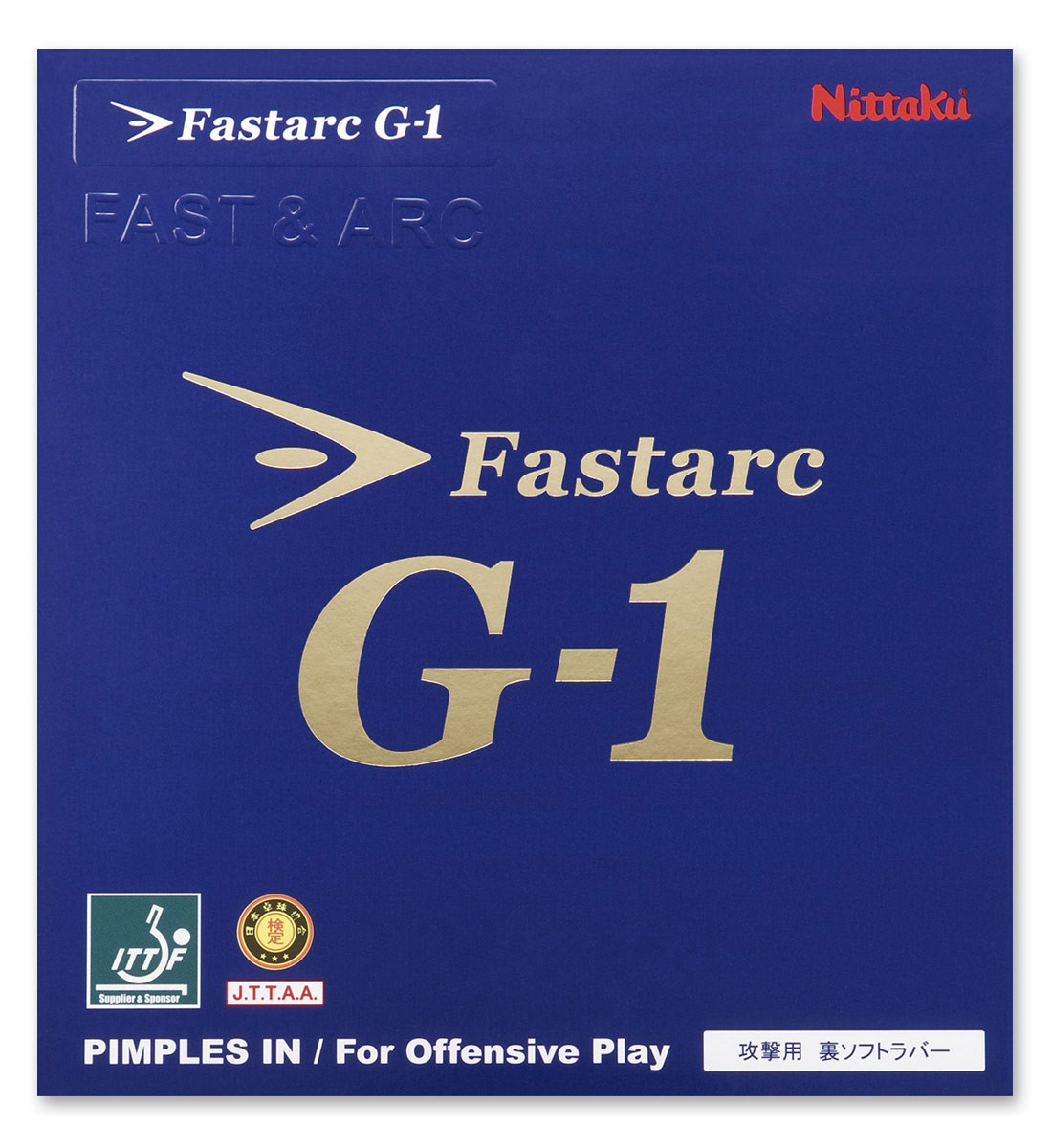
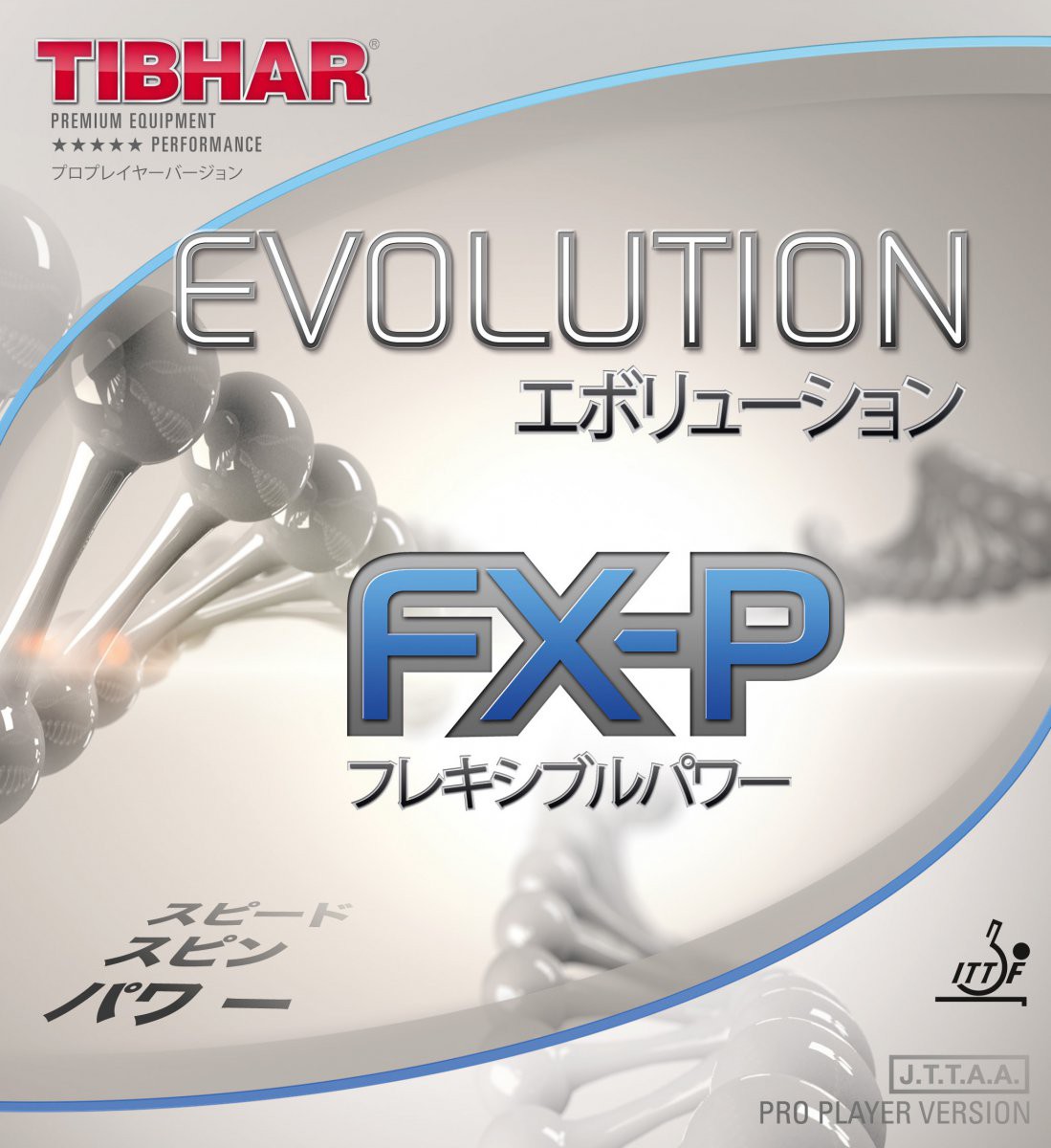
Nittaku Fastarc G-1 vs Tibhar Evolution FX-P: Which Should You Buy?
| Nittaku Fastarc G-1 | Tibhar Evolution FX-P | |
|---|---|---|
| Our rating | 8.8/10 | 8.4/10 |
| best_side | both | Backhand or allround forehand |
| control | medium-high | 68 |
| speed | 15.0 (Nittaku) | 94 |
| spin | 12.5 (Nittaku) | 98 |
| sponge_hardness | 47.5° | approx 40 degrees (softest in Evolution line) |
| type | tensor inverted | Inverted / tensor |
| weight_uncut_g | 69 | 68 |
We may earn a commission from links on this page. Learn more.
Choose Fastarc G-1 (8.8 rating) if you want maximum spin and speed together in an all-court package with Tenergy-class durability. Choose Evolution FX-P (8.4 rating) if you value forgiveness, consistent spin, and excellent control on loops, pushes, and blocks—especially on backhand or with a flexible blade.
G-1 is the more aggressive, higher-ceiling choice with a firm sponge demanding technical strokes. Evolution FX-P is softer (40 degrees vs 47.5 degrees), more forgiving on mishits, and better for building consistent technique. G-1 lasts longer and delivers more speed at distance; FX-P caps out quicker but provides a more reliable feel. Both are strong value against Tenergy. Pick G-1 for ambitious attackers, FX-P for confidence and consistency.
FAQ
Which is softer and more comfortable?
Evolution FX-P is notably softer (40 degrees vs 47.5 degrees) and more forgiving on contact. G-1 is firmer and demands technique.
Which lasts longer before losing performance?
G-1 has Tenergy-class durability and maintains performance over months. FX-P varies—some report speed loss after around 6 months.
Which is better for a beginner moving up from premade?
Evolution FX-P. Its softer feel and higher error forgiveness suit developing players better than G-1’s firm sponge.
Can either lift heavy backspin from mid-distance?
G-1 can, with its dwell and speed. FX-P struggles to lift heavy backspin from distance—you need to stay close to the table.