Nittaku Fastarc G-1 vs Tibhar Evolution EL-S: Which Should You Buy?
| Nittaku Fastarc G-1 | Tibhar Evolution EL-S | |
|---|---|---|
| Our rating | 8.8/10 | 8.5/10 |
| best_side | both | either |
| control | medium-high | 86 |
| speed | 15.0 (Nittaku) | 87 |
| spin | 12.5 (Nittaku) | 90 |
| sponge_hardness | 47.5° | medium-hard |
| type | tensor inverted | tensor |
| weight_uncut_g | 69 | 74 |
We may earn a commission from links on this page. Learn more.
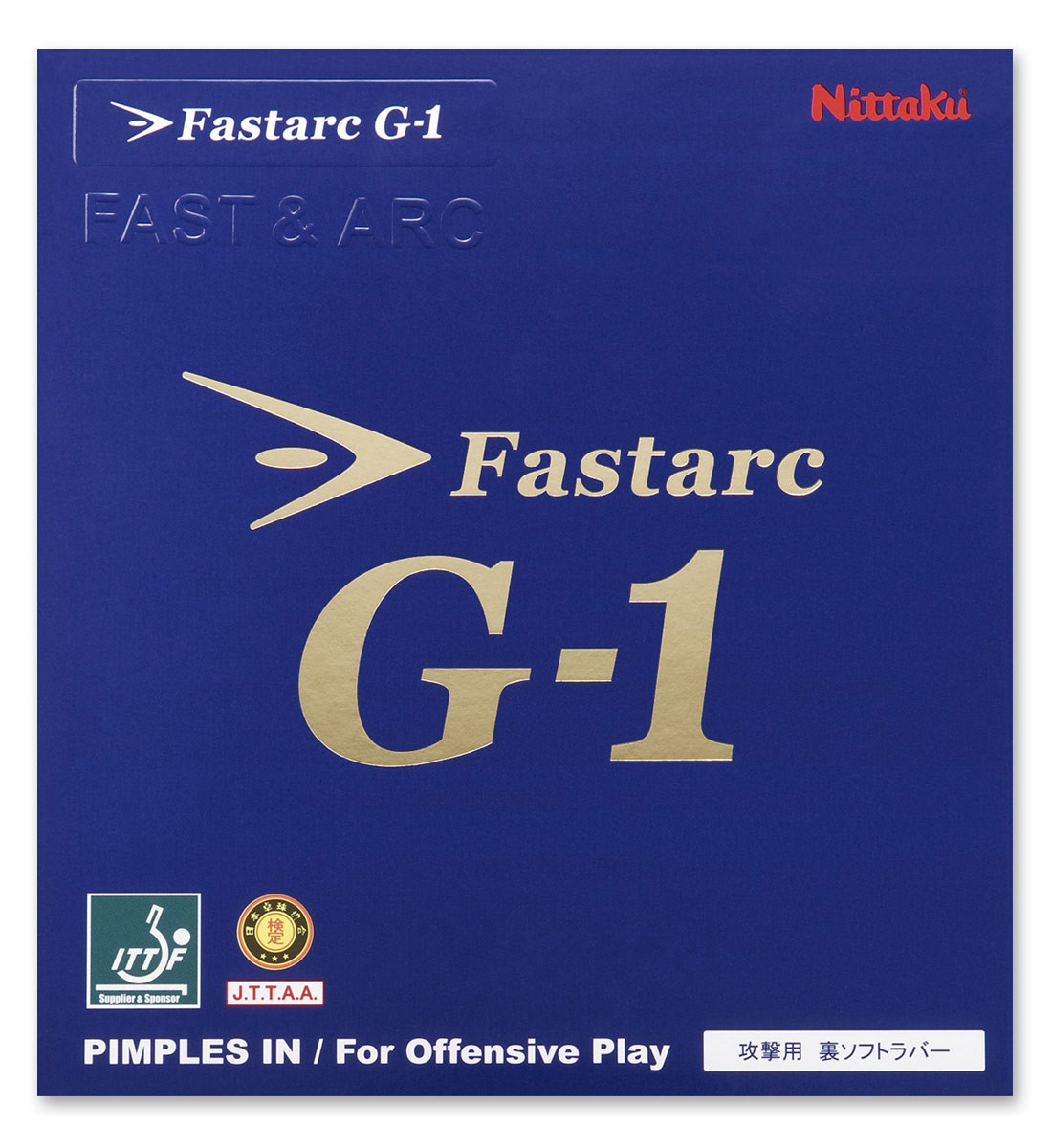
The Nittaku Fastarc G-1 and Tibhar Evolution EL-S are both tensor rubbers targeting intermediate to advanced attackers, but they differ significantly in philosophy and durability. The G-1 is the heavier, more durable option with a high arc that makes opening loops against backspin forgiving and consistent. It delivers Tenergy-class performance at a lower cost and holds its grip reliably over many months of use. The stiffer 47.5-degree sponge rewards committed, technically sound strokes and performs equally well on either wing.
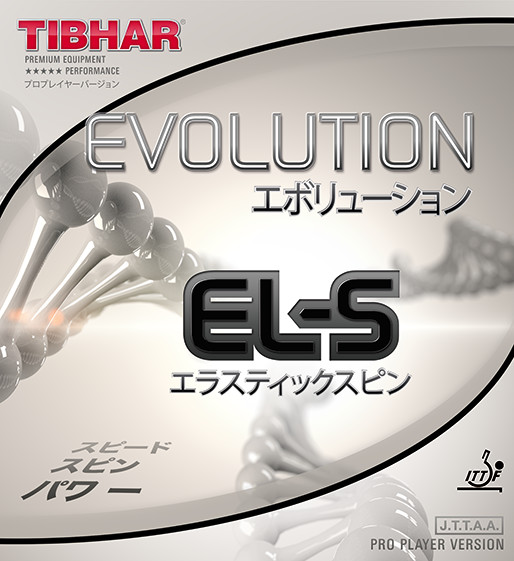
The Tibhar EL-S matches the G-1 in spin rating (90 versus G-1 rating of 12.5) and speed (87 versus G-1 rating of 15.0) while offering a softer, more accessible medium-hard sponge and notably lower weight at 74g versus 69g. Its standout feature is control: at 86 rating, it matches the G-1 while delivering near-perfect short-game performance. However, grip quality fades with modern plastic balls, and durability degrades after 4 to 6 months.
Choose the G-1 if durability and proven, long-lasting performance matter most, or if you prefer a forgiving high arc and plan to keep the rubber for many months. Pick the EL-S for a lighter, more responsive feel and superior short-game consistency, accepting that you will replace it more frequently.
FAQ
Can I use both rubbers on a two-wing setup?
Yes, both work on either wing, making them well-suited to paired setups. The G-1 is often paired with its softer sibling the C-1 for backhand, while the EL-S pairs with other Tibhar or premium tensor options.
Which rubber has better durability?
The Nittaku G-1 has Tenergy-class durability and maintains performance over months of regular play. The Tibhar EL-S durability degrades noticeably after 4 to 6 months, making the G-1 significantly more durable and cost-effective over a full season.
Why is the EL-S heavier if it feels more responsive?
Actual uncut weight is very close: G-1 at 69g, EL-S at 74g. The EL-S feels more responsive because of its softer medium-hard sponge, not because of weight difference. Both are heavier than some competing tensors, and some players notice the added weight on the blade.
Is the higher spin rating of both rubbers worth the cost versus lower-tier tensors?
Both rubbers are rated 8.8 (G-1) and 8.5 (EL-S), reflecting their premium performance. The G-1 offers better value over time due to durability, while the EL-S offers better immediate control at a lower price, accepting shorter lifespan.