Nittaku Acoustic vs Stiga Intensity NCT Carbon: Which Should You Buy?
| Nittaku Acoustic | Stiga Intensity NCT Carbon | |
|---|---|---|
| Our rating | 8.7/10 | 8.0/10 |
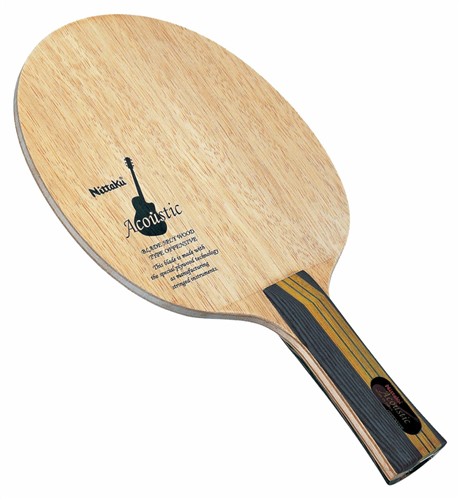
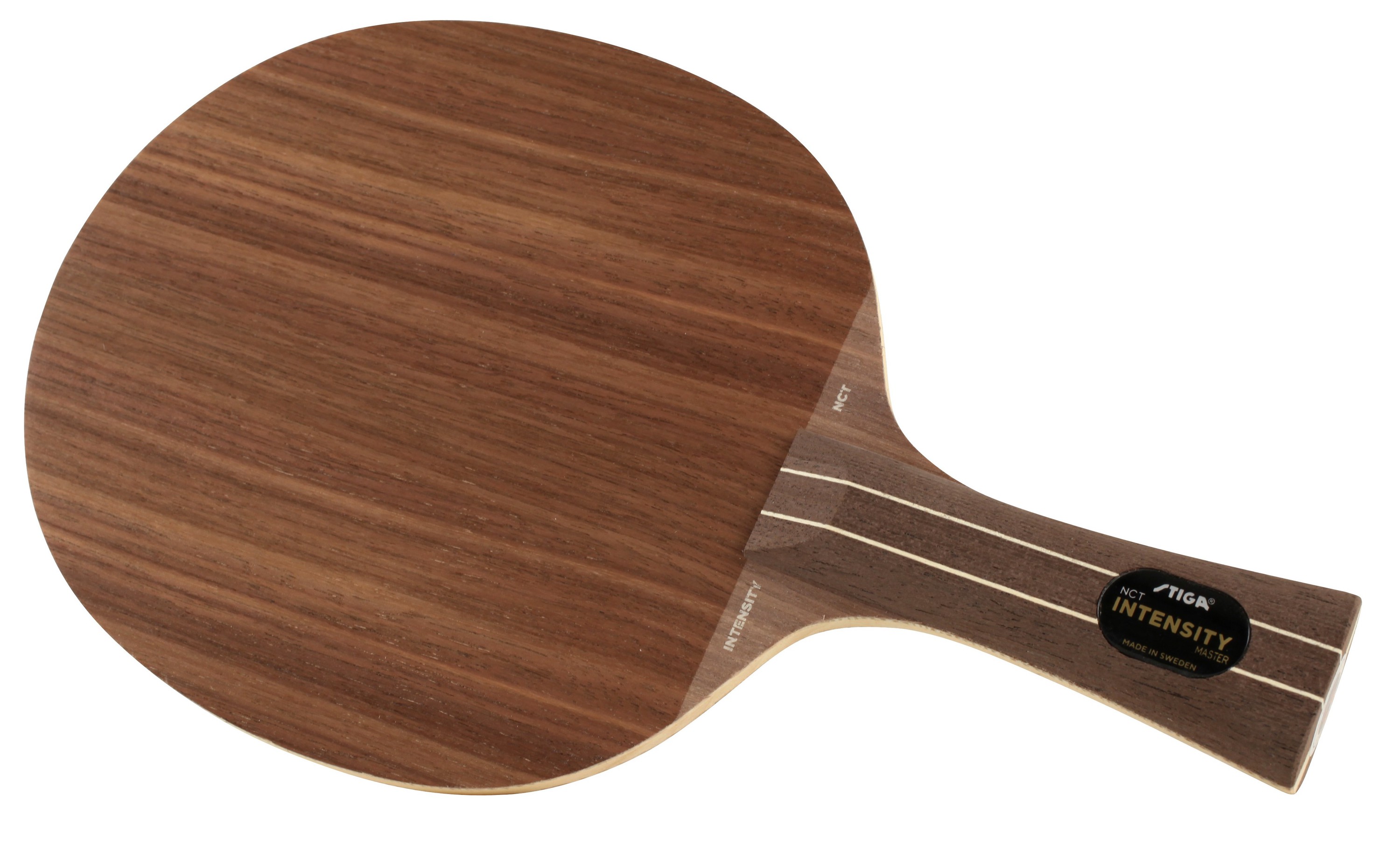
| feel | Crisp all-wood feel with a large sweet spot, long dwell and a signature acoustic sound | medium-soft, good dwell, large sweet spot |
| handle | FL/ST | Flared, Anatomic, Straight, Chinese Penhold |
| plies | 5-ply all wood (Limba outer veneers over a tung and ayous core) | 5 wood + 2 carbon NCT |
| speed | OFF- | OFF- |
| thickness_mm | 5.7 | 5.9 |
| weight_g | 88 | 82 |
We may earn a commission from links on this page. Learn more.
Both serve distinct attacking styles. The Nittaku Acoustic provides class-leading control and a long dwell characteristic of quality all-wood construction, rewarding technique and short-game precision. It flatters a range of rubbers and maintains consistency across mid-distance play.
The Stiga Intensity NCT is lighter and more forgiving on off-center hits, with excellent dwell time for heavy loops and good rubber compatibility. Its sharp handle edges and lighter weight are trade-offs: beginners risk discomfort and the blade suits only offensive styles.
Choose Acoustic for touch and feedback; choose Intensity if you want carbon speed, a larger sweet spot, and maneuverability without the handle compromise.
FAQ
Which is faster?
Both are OFF-speed, but Intensity’s carbon outer plies give it a slight edge. Acoustic sacrifices maximum pace for control and long dwell.
Who should pick Acoustic?
Mid-distance loopers and players who value consistent feedback and short-game touch over raw speed; intermediate to advanced players with solid fundamentals.
Who should pick Intensity?
Transitioning players, first-time carbon users, and those prioritizing dwell time and sweet spot size over blocking power or defensive play.
Which is more durable?
Both are premium blades. Acoustic’s all-wood construction is proven; Intensity’s carbon stays consistent over time but carbon can eventually delaminate.