JOOLA Dynaryz AGR vs Xiom Omega VII Pro: Which Should You Buy?
| JOOLA Dynaryz AGR | Xiom Omega VII Pro | |
|---|---|---|
| Our rating | 8.7/10 | 8.6/10 |
| best_side | FH | forehand |
| control | 7 | medium |
| speed | 9.6 | very fast |
| spin | 9.3 | very high |
| sponge_hardness | Hard (around 50 degrees EUR, purple Hyperbounce sponge) | 47.5 degrees |
| type | inverted | tensor |
| weight_uncut_g | 71 | approx 64 |
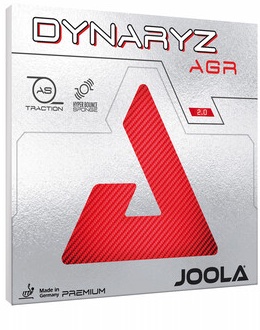
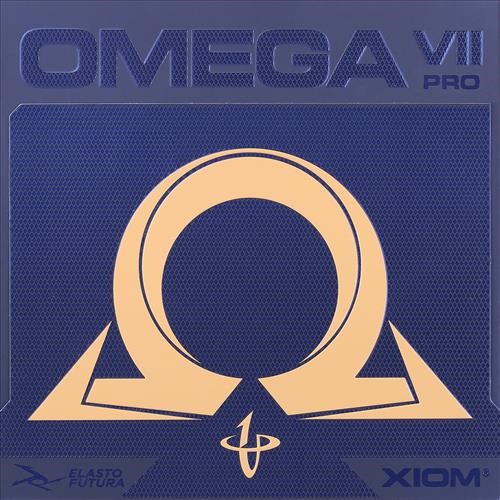
We may earn a commission from links on this page. Learn more.
The JOOLA Dynaryz AGR (8.7) explodes at the table with limited distance game; Xiom Omega VII Pro (8.6) excels at counterlooping from mid and long distance. AGR is one-dimensional offensive; Omega VII is a well-rounded long-range attacker.
AGR shines with clean, committed strokes in close exchanges. Omega VII rewards topspin loops and counterloops with elastic topsheet feel, satisfying feedback, and high arc safety. Omega VII lasts longer—durability remains solid across months. Choose AGR if your primary game is close-table flicks and third-ball attacks; choose Omega VII if you loop heavily from distance.
FAQ
Which is better for counterlooping?
Omega VII Pro, with outstanding counterlooping speed and spin from mid and long distance.
Which has better short game?
AGR; Omega VII’s short game is very difficult due to its design for distance play.
Can either be used as a backhand rubber?
AGR is forehand-focused and unsuitable for backhand; Omega VII is similarly forehand-optimized.
Why does AGR rate higher despite Omega VII’s versatility?
AGR’s speed and spin output are exceptional in its niche; Omega VII sacrifices some peak speed for distance consistency.
Which is more durable?
Omega VII, with performance holding up well across multiple months; AGR often dies in four to six months.