JOOLA Dynaryz AGR vs Tibhar Quantum X Pro: Which Should You Buy?
| JOOLA Dynaryz AGR | Tibhar Quantum X Pro | |
|---|---|---|
| Our rating | 8.7/10 | 8.5/10 |
| best_side | FH | both |
| control | 7 | medium |
| speed | 9.6 | very high |
| spin | 9.3 | very high |
| sponge_hardness | Hard (around 50 degrees EUR, purple Hyperbounce sponge) | 47.5 degrees |
| type | inverted | tensor |
| weight_uncut_g | 71 | 70 |
We may earn a commission from links on this page. Learn more.
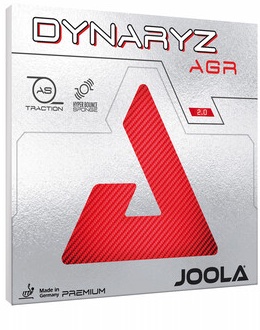
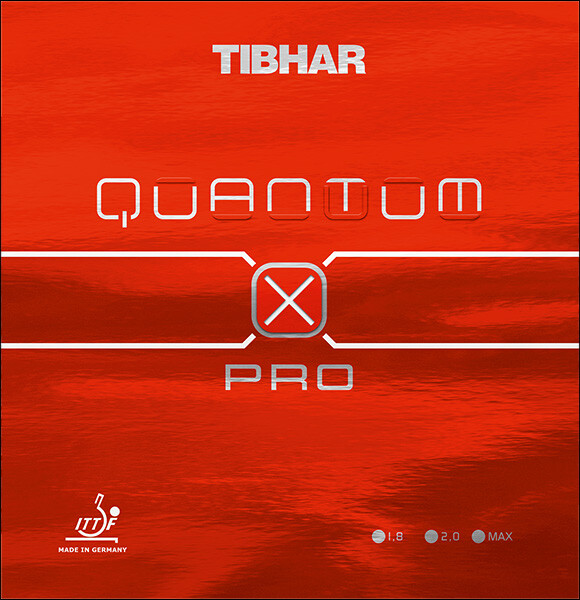
The JOOLA Dynaryz AGR (8.7) prioritizes forehand speed and spin for elite players; Tibhar Quantum X Pro (8.5) excels at backhand performance and broad-blade compatibility, especially on carbons. Both are hard tensors, but for different uses.
AGR dominates if your game is forehand-heavy with clean strokes at the table. Quantum X delivers backhand reliability, low sensitivity to incoming spin, and forgiveness on loops against backspin—a safety advantage. Quantum X is lighter (47.7g uncut) and slightly less specialized, making it more accessible. Choose AGR for maximum forehand firepower, Quantum X for balanced, consistent competitive play.
FAQ
Which is better for backhand?
Quantum X Pro, with exceptional backhand performance and low sensitivity to incoming spin.
Which is faster overall?
AGR offers higher speed potential; Quantum X falls short of the absolute speed ceiling AGR sets.
Who uses Quantum X professionally?
Bernadette Szocs, proving its elite competition reliability despite mid-tier rating.
Is Quantum X good for mid-distance play?
No; both are built for near-table aggression and struggle from mid-distance and far tables.
Which requires less technique?
Quantum X is more forgiving for a hard tensor; AGR demands elite technique or produces unforced errors.