JOOLA Dynaryz AGR vs Tibhar Aurus Prime: Which Should You Buy?
| JOOLA Dynaryz AGR | Tibhar Aurus Prime | |
|---|---|---|
| Our rating | 8.7/10 | 8.5/10 |
| best_side | FH | forehand |
| control | 7 | 7.5/10 |
| speed | 9.6 | 9.0/10 |
| spin | 9.3 | 9.5/10 |
| sponge_hardness | Hard (around 50 degrees EUR, purple Hyperbounce sponge) | 50 degrees |
| type | inverted | tensor |
| weight_uncut_g | 71 | 70 |
We may earn a commission from links on this page. Learn more.
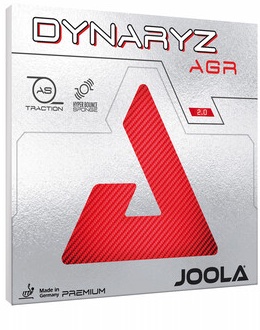
JOOLA Dynaryz AGR prioritizes explosive speed and spin for advanced forehand-dominant attackers, delivering catapult-driven loops, smashes, and third-ball attacks with elite firepower. Its hard 50-degree Hyperbounce sponge and grippy topsheet demand clean technique and accept no passive play, with durability fading within four to six months and premium pricing limiting its appeal to top competitive players.
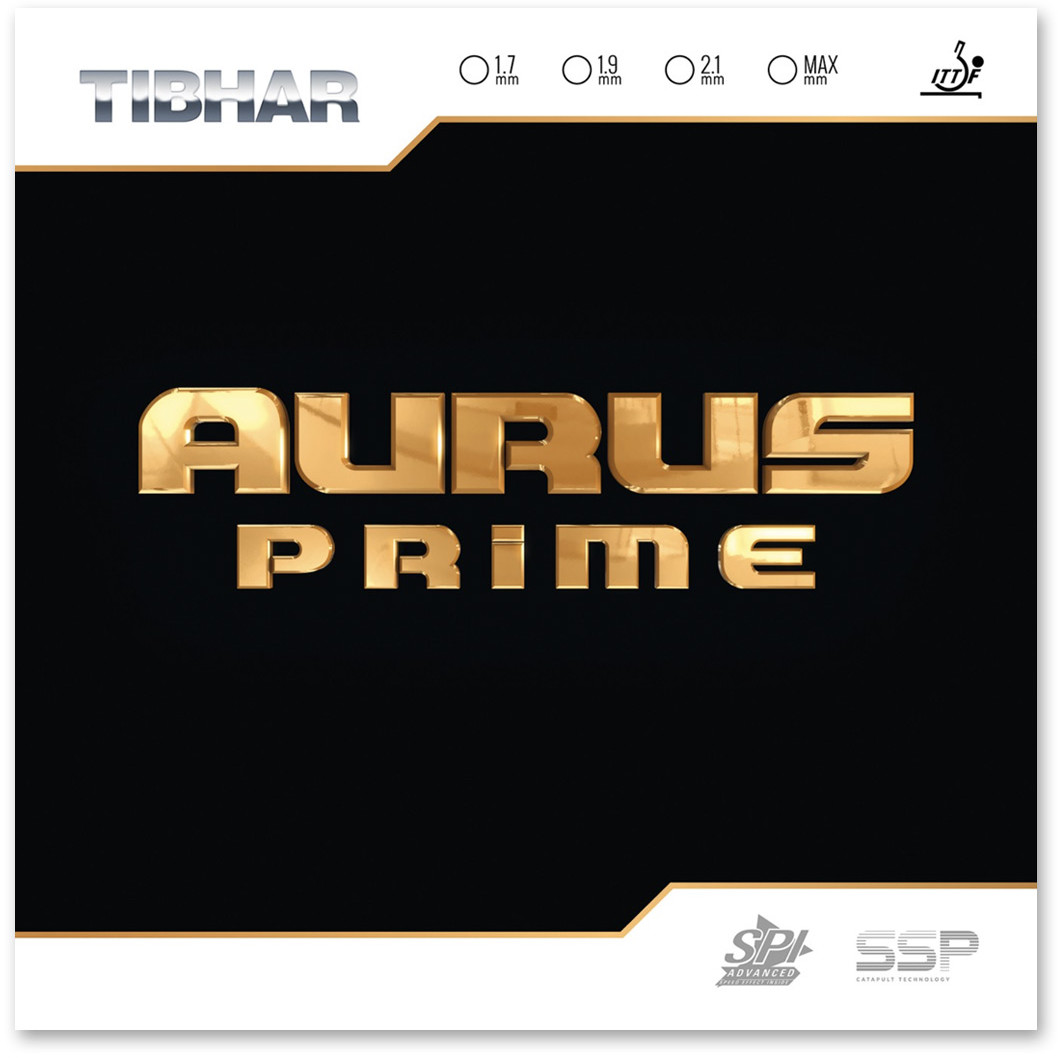
Tibhar Aurus Prime focuses on outstanding topspin quality with heavy, arcing loops that feel softer than its sponge hardness suggests. Low spin sensitivity makes blocking and receiving more consistent, and durable construction maintains performance over months of play. Aurus Prime’s topspin-dominant character suits players who rely on heavy loops over pure speed; its competitive Tenergy 05 performance at lower cost appeals to advanced players willing to sacrifice some direct hitting speed. Choose AGR for pure firepower, Aurus Prime for topspin consistency and durability.
FAQ
Which is faster overall?
AGR is noticeably faster and more explosive. Aurus Prime prioritizes heavy topspin over direct hitting speed.
Which is more durable?
Aurus Prime maintains performance after many months of play. AGR often feels dead after four to six months.
Which costs less?
Aurus Prime undercuts Tenergy 05 and AGR in price while delivering comparable topspin performance.
Which suits different blade types?
AGR demands steady blades; Aurus Prime works on medium-pace blades but can overwhelm fast carbon setups.