JOOLA Dynaryz AGR vs Palio CJ8000 2-Side Loop: Which Should You Buy?
| JOOLA Dynaryz AGR | Palio CJ8000 2-Side Loop | |
|---|---|---|
| Our rating | 8.7/10 | 7.8/10 |
| best_side | FH | forehand or backhand |
| control | 7 | 8.5 |
| speed | 9.6 | 7 |
| spin | 9.3 | 8.5 |
| sponge_hardness | Hard (around 50 degrees EUR, purple Hyperbounce sponge) | 36-38 deg |
| type | inverted | inverted |
| weight_uncut_g | 71 | 57 |
We may earn a commission from links on this page. Learn more.
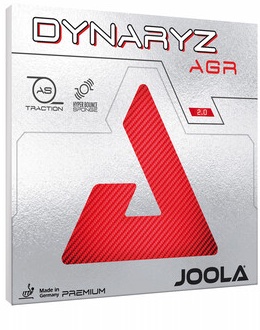
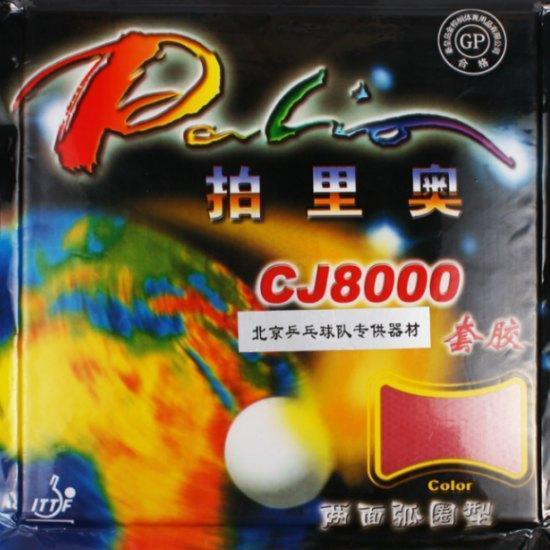
The JOOLA Dynaryz AGR (8.7) is a flagship tensor for advanced players; Palio CJ8000 2-Side Loop (7.8) is a budget soft rubber for beginners. This comparison spans opposite skill levels and price tiers. AGR demands elite technique and delivers elite speed; Palio prioritizes accessibility and forgiveness.
Paradoxically, this pairing can work: a developing player might use CJ8000 to master topspin technique, then graduate to AGR as fundamentals solidify. CJ8000’s softness opens backspin loops easily; AGR punishes weak technique. Palio’s value proposition excels for budget-conscious beginners; AGR suits competitive players accepting durability limits.
FAQ
Can a beginner handle the AGR?
No; it is too much rubber for players rated around 1600 and below, producing unforced errors without clean technique.
Which rubber is better value?
Palio CJ8000, with outstanding performance per dollar in the budget segment.
Why the large rating gap?
AGR targets elite offensive play; Palio targets beginner development. Different purposes, not directly comparable.
Which lasts longer?
Both have durability limits; Palio degrades within four months, AGR within four to six, due to heavy use intensity.
Which improves topspin technique?
Palio, with its soft topsheet and forgiving character rewarding correct form without advanced technique demands.