JOOLA Dynaryz AGR vs Nittaku Hammond Z2: Which Should You Buy?
| JOOLA Dynaryz AGR | Nittaku Hammond Z2 | |
|---|---|---|
| Our rating | 8.7/10 | 8.8/10 |
| best_side | FH | forehand |
| control | 7 | 7.5 |
| speed | 9.6 | 9.0 |
| spin | 9.3 | 9.5 |
| sponge_hardness | Hard (around 50 degrees EUR, purple Hyperbounce sponge) | 52 |
| type | inverted | inverted |
| weight_uncut_g | 71 | 70 |
We may earn a commission from links on this page. Learn more.
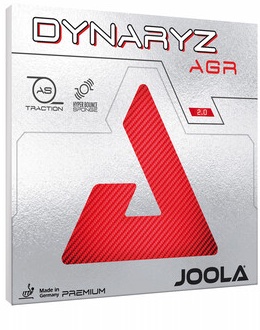
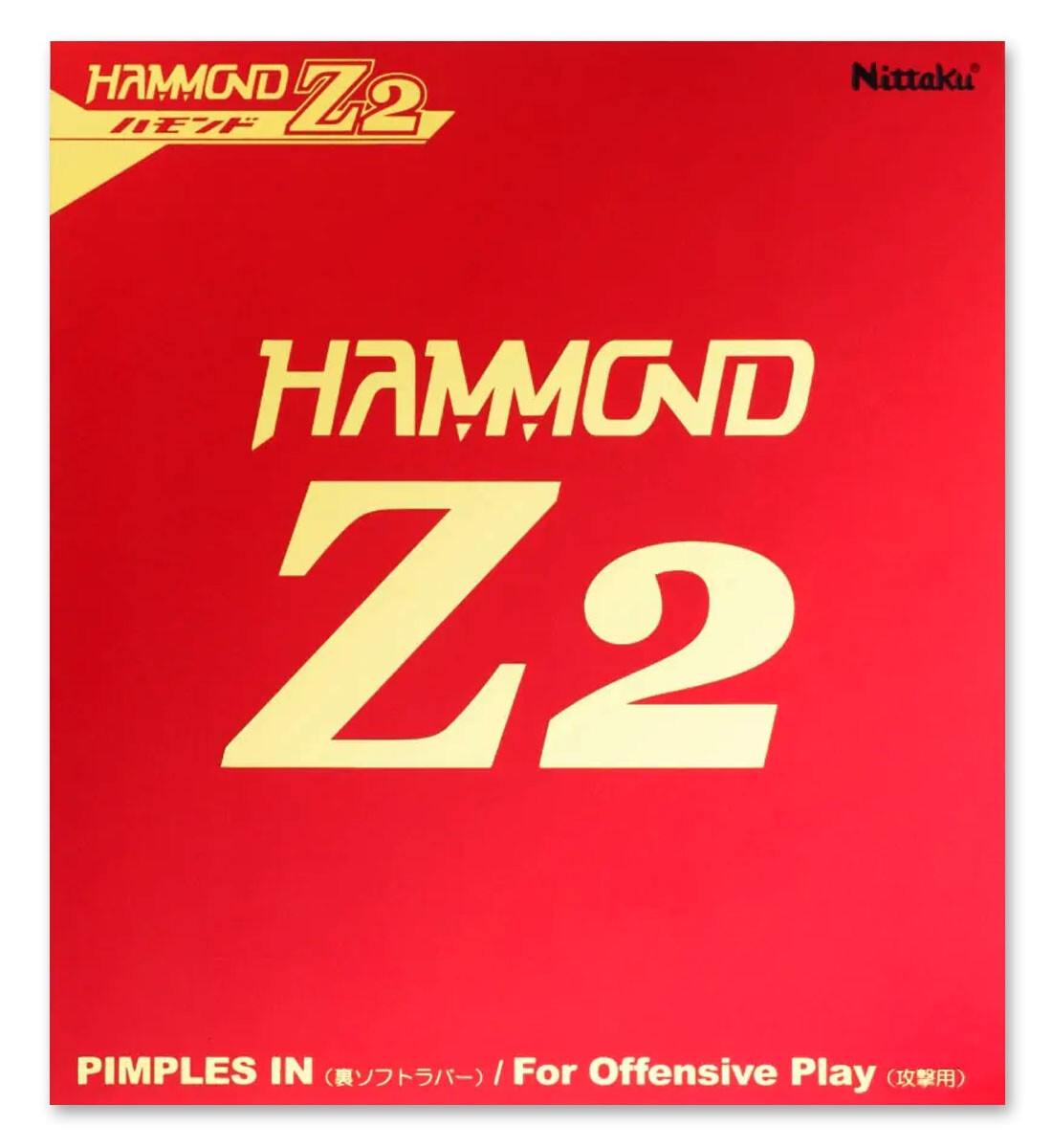
The JOOLA Dynaryz AGR (8.7) delivers pure catapult speed with a hard Hyperbounce sponge; the Nittaku Hammond Z2 (8.8) offers a distinctive made-in-Japan ESN character with exceptional looping and counterlooping durability. Hammond actually rates higher, reflecting its broad appeal and durability advantage.
AGR excels at close-to-table explosive attacks on well-timed strokes; Hammond excels at looping, counterlooping, and active blocking with consistent performance over months. Hammond’s medium arc is more forgiving than AGR’s low trajectory. Choose AGR for raw speed potential, Hammond for reliable spin output and longevity.
FAQ
Which rubber is more durable?
Hammond Z2, with above-average durability for a tensor; AGR typically fades within four to six months.
Which is easier for beginners?
Neither; both demand active, well-timed strokes. Hammond is slightly more forgiving of passive contact.
Why does Hammond rate higher than AGR?
Community consensus values its combination of high spin output, durability, and broad gear range for competitive play.
Which suits aggressive loopers?
Hammond Z2, with exceptional looping and counterlooping power plus active blocks that are extremely dangerous.
How do sponge hardnesses compare?
AGR is 50 degrees EUR; Hammond Z2 is 52 degrees—barely different, but Hammond’s character is more forgiving.