Gewo Nexxus EL Pro 48 vs Tibhar Evolution EL-S: Which Should You Buy?
| Gewo Nexxus EL Pro 48 | Tibhar Evolution EL-S | |
|---|---|---|
| Our rating | 8.7/10 | 8.5/10 |
| best_side | Forehand or backhand | either |
| control | 96 | 86 |
| speed | 118 | 87 |
| spin | 128 | 90 |
| sponge_hardness | 48 degrees (medium-hard) | medium-hard |
| type | Inverted tensor | tensor |
| weight_uncut_g | approx. 68-72 g | 74 |
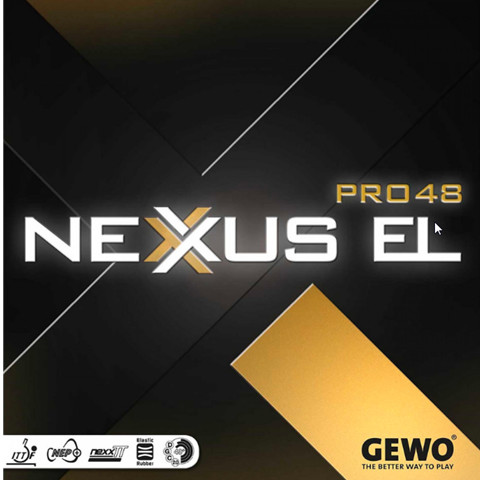
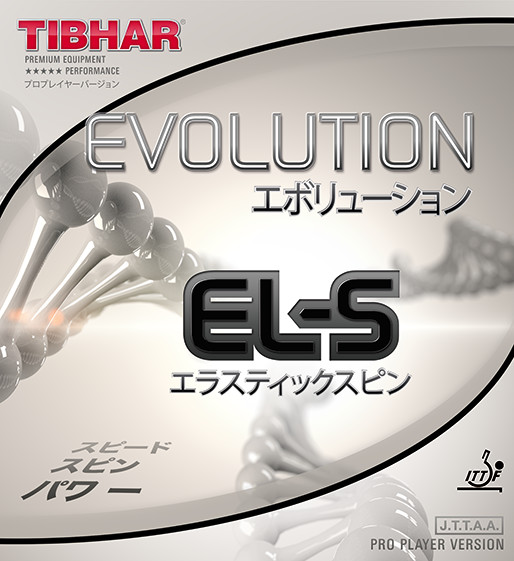
We may earn a commission from links on this page. Learn more.
The Gewo Nexxus EL Pro 48 and Tibhar Evolution EL-S are both tensor rubbers targeting intermediate to advanced players, but they balance speed and control differently. The Gewo edges ahead on raw spin (128 vs 90) and speed (118 vs 87), making it the choice for players seeking maximum topspin aggression. The Tibhar, rated slightly lower at 8.5 vs 8.7, excels in consistency and short-game performance (9.5 out of 10 in structured testing), delivering outstanding looping rated 10 out of 10 by experts.
The Gewo’s harder 48-degree sponge demands greater technique and a full swing; its high throw angle and brisk pace suit forehand-dominant attackers who’ve mastered intermediate-level play. The Tibhar plays more forgiving and accessible, matching the speed of Tenergy 80 while preserving control. It works equally well on backhand or forehand, making it ideal for all-around offense.
Durability is a wash—both degrade after 4-6 months under regular play. Price favors the Gewo as a sub-premium alternative to Tenergy-class rubbers. If you’re a spin-chaser who loves fast loops and sharp serves, choose Gewo. If you want looping precision with accessible control, choose Tibhar.
FAQ
Which rubber is faster?
The Gewo Nexxus EL Pro 48 is significantly faster, rated 118 vs 87 for the Tibhar. The Gewo delivers brisker ball return and suits players attacking with committed strokes from mid-distance.
Which is better for close-to-table play?
The Tibhar Evolution EL-S has superior short-game performance (9.5 out of 10 in testing). The Gewo’s unforgiving touch play requires adjustments if you block or play light shots near the net.
Which rubber forgives sloppy technique better?
The Tibhar is more forgiving overall. The Gewo’s hard sponge and high throw angle punish loose mechanics—best reserved for intermediate-plus players with solid fundamentals.
How long do they last?
Both show durability limits. The Gewo stays grippy if cleaned regularly; the Tibhar’s durability drops noticeably after 4-6 months. Neither is a durability champ for this price tier.