Donic Bluefire M1 vs Yasaka Rakza Z: Which Should You Buy?
| Donic Bluefire M1 | Yasaka Rakza Z | |
|---|---|---|
| Our rating | 8.4/10 | 8.6/10 |
| best_side | Forehand | forehand |
| control | 9.1 / 10 | high |
| speed | 9.7 / 10 | medium |
| spin | 9.0 / 10 | extreme |
| sponge_hardness | 47.5 degrees (medium-hard) | 50 degrees (medium-hard; Extra Hard version around 57 degrees) |
| type | Inverted / Tensor | hybrid tacky tensor |
| weight_uncut_g | approx 49 g | 72 |
We may earn a commission from links on this page. Learn more.
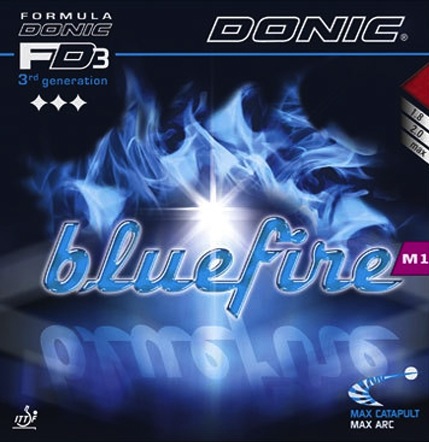
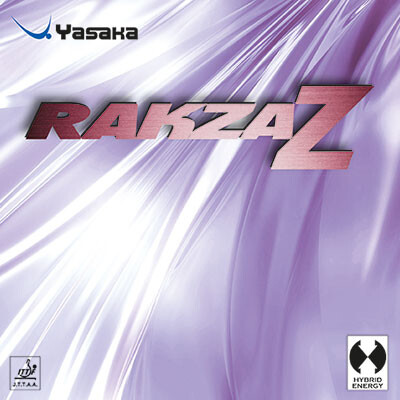
The M1 (8.4) reaches 9.7 speed with a high throw angle designed for explosive loops close-to-mid table from advanced players. The Rakza Z (8.6) trades speed (medium) for exceptional spin output (extreme) and a hybrid tacky-tensor feel that rewards full committed strokes. M1 is a pure speed-and-angle tensor; Rakza Z is a heavy, grippy alternative to boosted Hurricane 3 or Dignics 09C for forehand loopers who want maximum spin stability. Pick M1 for pace and catapult; pick Rakza Z for spin-driven pressure play and defensive stability, accepting that it demands more arm/wrist engagement and plays weak at less than full power.
FAQ
Which rubber generates more spin?
Rakza Z generates extreme, low-slip spin on loops, backspin openings and serves—noticeably more than the M1’s very high spin at 9.0. However, Z requires full strokes to unlock it.
Which is faster?
Bluefire M1 is significantly faster at 9.7/10 versus Rakza Z at medium speed. M1 is designed for pace-based attacking; Rakza Z is slower but compensates with exceptional spin gripping.
What’s the weight penalty?
Rakza Z is notably heavier at 72g uncut versus M1 at around 49g. This can cause arm/wrist fatigue, especially on carbon blades, and is a real consideration for players with mobility concerns.