Donic Bluefire M1 vs Palio CJ8000 2-Side Loop: Which Should You Buy?
| Donic Bluefire M1 | Palio CJ8000 2-Side Loop | |
|---|---|---|
| Our rating | 8.4/10 | 7.8/10 |
| best_side | Forehand | forehand or backhand |
| control | 9.1 / 10 | 8.5 |
| speed | 9.7 / 10 | 7 |
| spin | 9.0 / 10 | 8.5 |
| sponge_hardness | 47.5 degrees (medium-hard) | 36-38 deg |
| type | Inverted / Tensor | inverted |
| weight_uncut_g | approx 49 g | 57 |
We may earn a commission from links on this page. Learn more.
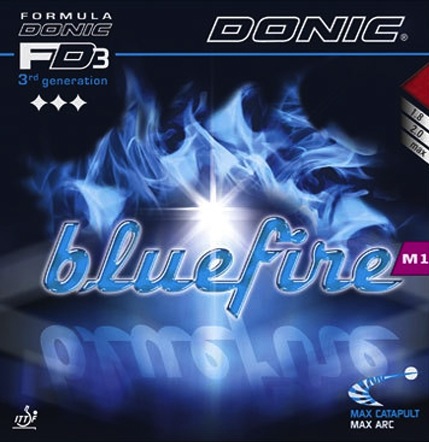
These rubbers occupy vastly different positions in the market and skill spectrum. Donic Bluefire M1 is an elite, hard forehand tensor delivering maximum speed (9.7) and heavy spin loops. Advanced offensive players use it for close-to-mid table attacks. Unforgiving character and boost fade within one to two months are significant drawbacks.
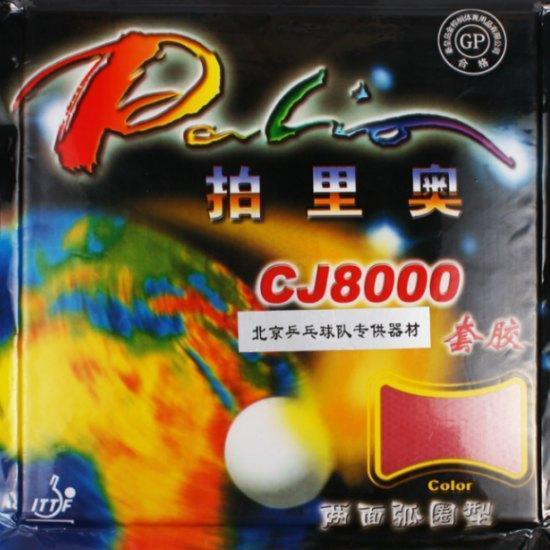
Palio CJ8000 2-Side Loop is an entry-level inverted rubber, offering exceptional budget-segment performance. Soft topsheet and forgiving contact suit beginners learning topspin loops. Speed and durability are limited, but boosting with paraffin oil extends both for developmental players.
FAQ
What is the price difference?
M1 is premium. CJ8000 is budget segment, offering outstanding value for money.
Can a beginner use M1?
No. M1 requires 1500-plus USATT rating and advanced, committed technique.
Which suits learners?
CJ8000 by far. Its soft, forgiving nature rewards correct looping technique without overwhelming difficulty.
Can CJ8000 develop into an intermediate rubber?
With boosting, yes. Many players boost CJ8000 to increase speed and durability for intermediate development.