Donic Bluefire M1 vs Nittaku Fastarc G-1: Which Should You Buy?
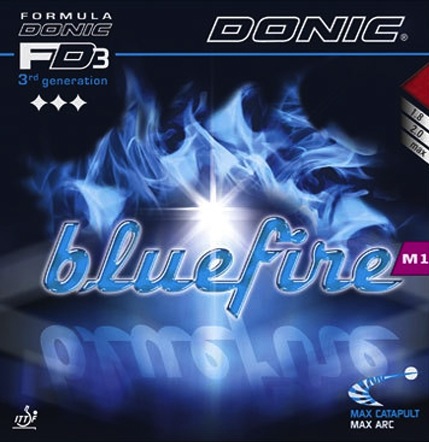
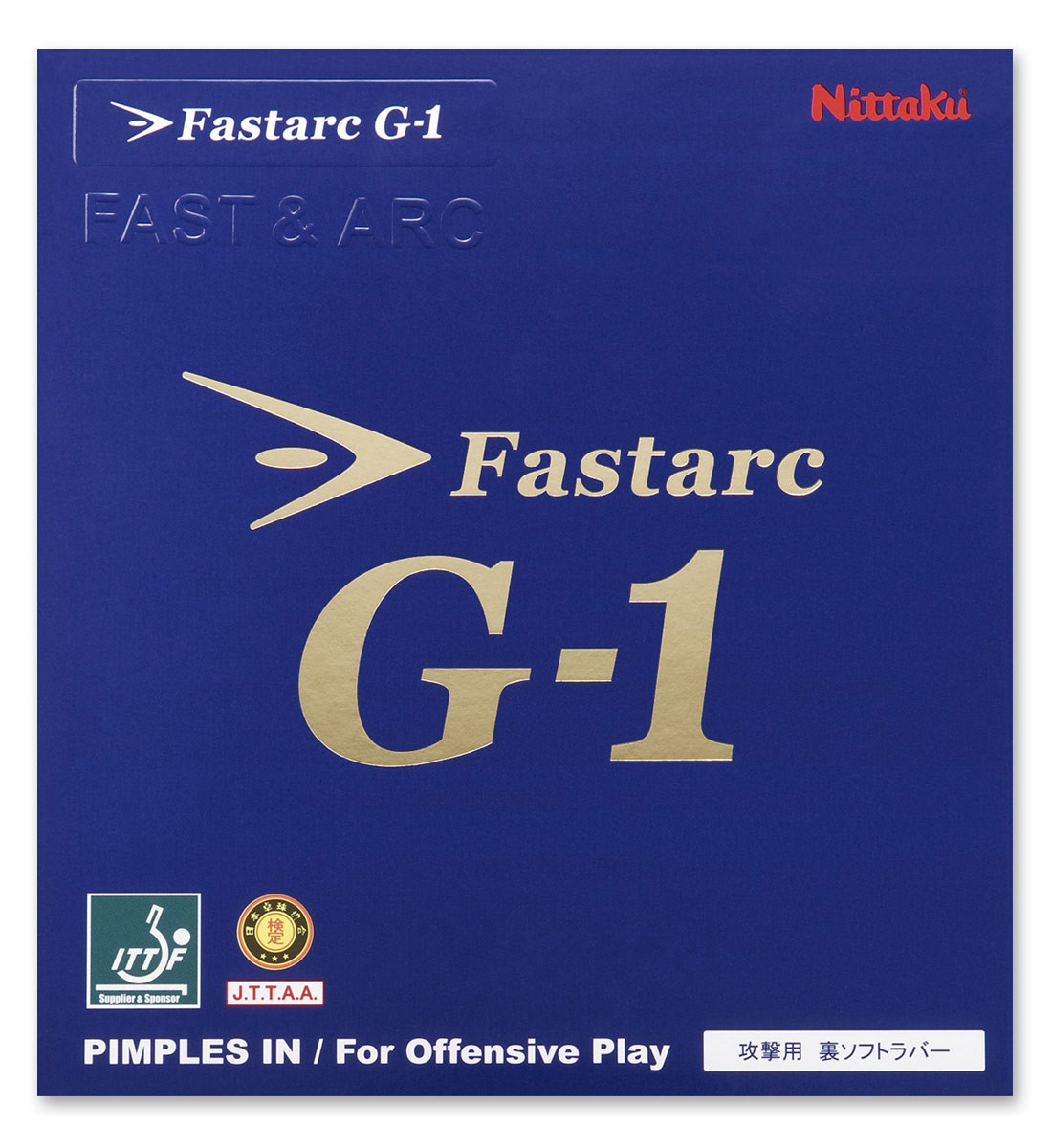
| Donic Bluefire M1 | Nittaku Fastarc G-1 | |
|---|---|---|
| Our rating | 8.4/10 | 8.8/10 |
| best_side | Forehand | both |
| control | 9.1 / 10 | medium-high |
| speed | 9.7 / 10 | 15.0 (Nittaku) |
| spin | 9.0 / 10 | 12.5 (Nittaku) |
| sponge_hardness | 47.5 degrees (medium-hard) | 47.5° |
| type | Inverted / Tensor | tensor inverted |
| weight_uncut_g | approx 49 g | 69 |
We may earn a commission from links on this page. Learn more.
Pick Donic Bluefire M1 if you want a hard, fast close-to-mid table specialist with excellent short-game control at a lower cost. It is best for players under 1500 USATT who loop aggressively. Choose Nittaku Fastarc G-1 if you are an intermediate-to-advanced all-court attacker who values heavy spin, real speed together with a forgiving high arc and Tenergy-class durability. The G-1 is proven hugely popular, works on either wing and is a much more versatile tool. M1 is specialized forehand firepower; G-1 is versatile proven spin.
FAQ
Which is more durable?
Nittaku Fastarc G-1 with Tenergy-like durability; M1 fades after 1-2 months as factory boost expires.
Which can I use on both wings?
G-1 is a proven allround attacking rubber for either wing; M1 is forehand-only.
Which has the higher arc?
G-1 with a high, safe throw that makes opening loops consistent and forgiving.
Which is heavier?
G-1 at 69 grams is heavier than M1 at roughly 49 grams.