Donic Bluefire JP 01 Turbo vs Gewo Nexxus EL Pro 48: Which Should You Buy?
| Donic Bluefire JP 01 Turbo | Gewo Nexxus EL Pro 48 | |
|---|---|---|
| Our rating | 8.3/10 | 8.7/10 |
| best_side | forehand | Forehand or backhand |
| control | high | 96 |
| speed | OFF+ | 118 |
| spin | very high | 128 |
| sponge_hardness | medium+ (47.5 degrees) | 48 degrees (medium-hard) |
| type | inverted / tensor | Inverted tensor |
| weight_uncut_g | around 50g uncut | approx. 68-72 g |
We may earn a commission from links on this page. Learn more.
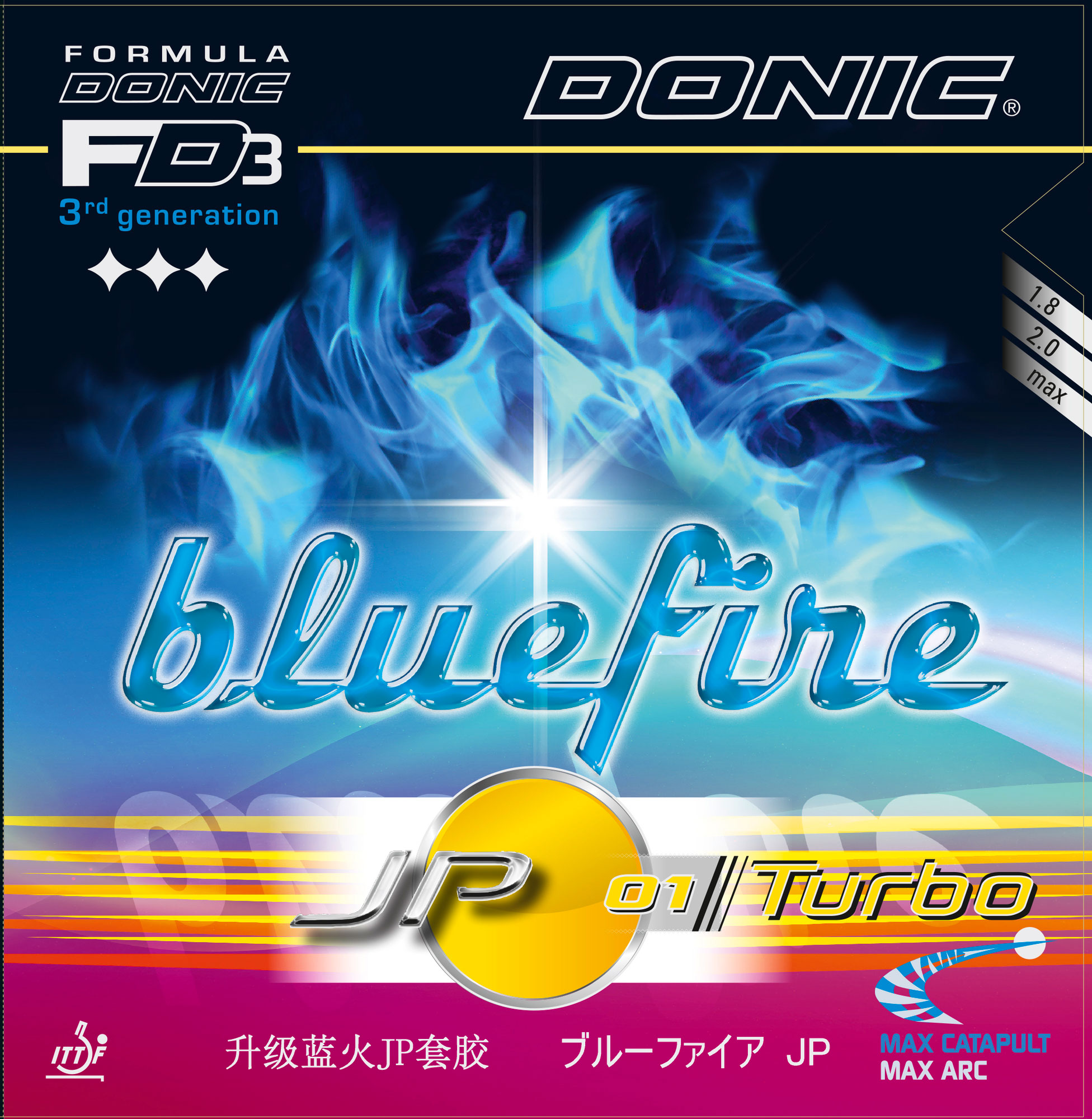
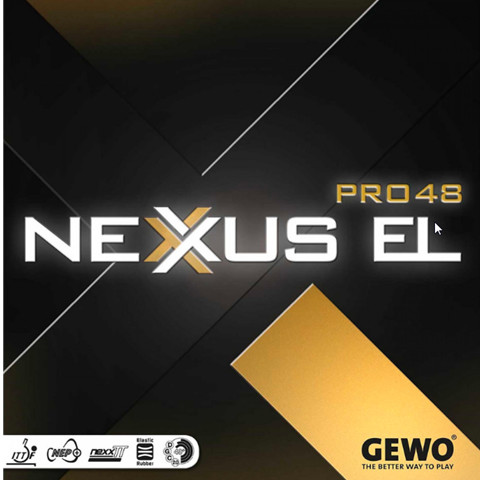
JP01 (8.3) and Nexxus EL Pro 48 (8.7) both excel at topspin generation and control, but Nexxus commands a rating edge and lower cost. JP01 is lighter (50g uncut), offers satisfying catapult feel, and maintains control at higher hardness. Durability is weak (1-2 months), but consistency is immediate. Nexxus delivers Tenergy-class spin at half the premium price, with grippy topsheet and stellar blocking. However, high throw angle and fast pace demand adjustment, and maintaining its grip requires regular cleaning. JP01 suits spin purists who don’t mind frequent regruing; Nexxus rewards budget-conscious attackers who can tolerate a learning curve.
FAQ
Which is more affordable?
Nexxus EL Pro 48 undercuts premium rubbers significantly and costs less than JP01 over time due to JP01 durability woes.
Which has better blocking?
Nexxus excels in close-to-table blocking and counter-looping. JP01 blocks adequately but feels less natural.
How do throw angles compare?
JP01 topsheet is neutral; Nexxus has a high throw angle requiring technique adjustment for overnetters.
Which demands more maintenance?
Nexxus topsheet hardens without regular cleaning. JP01 needs regruing instead, different upkeep profile.
Who wins on versatility?
Nexxus works on either wing. JP01 leans forehand, limiting backhand players.