Donic Bluefire JP 01 Turbo vs Donic Bluestorm Z1 Turbo: Which Should You Buy?
| Donic Bluefire JP 01 Turbo | Donic Bluestorm Z1 Turbo | |
|---|---|---|
| Our rating | 8.3/10 | 8.3/10 |
| best_side | forehand | forehand |
| control | high | 8.2/10 |
| speed | OFF+ | 9.8/10 |
| spin | very high | 9.9/10 |
| sponge_hardness | medium+ (47.5 degrees) | 50 degrees |
| type | inverted / tensor | inverted |
| weight_uncut_g | around 50g uncut | 71 |
We may earn a commission from links on this page. Learn more.
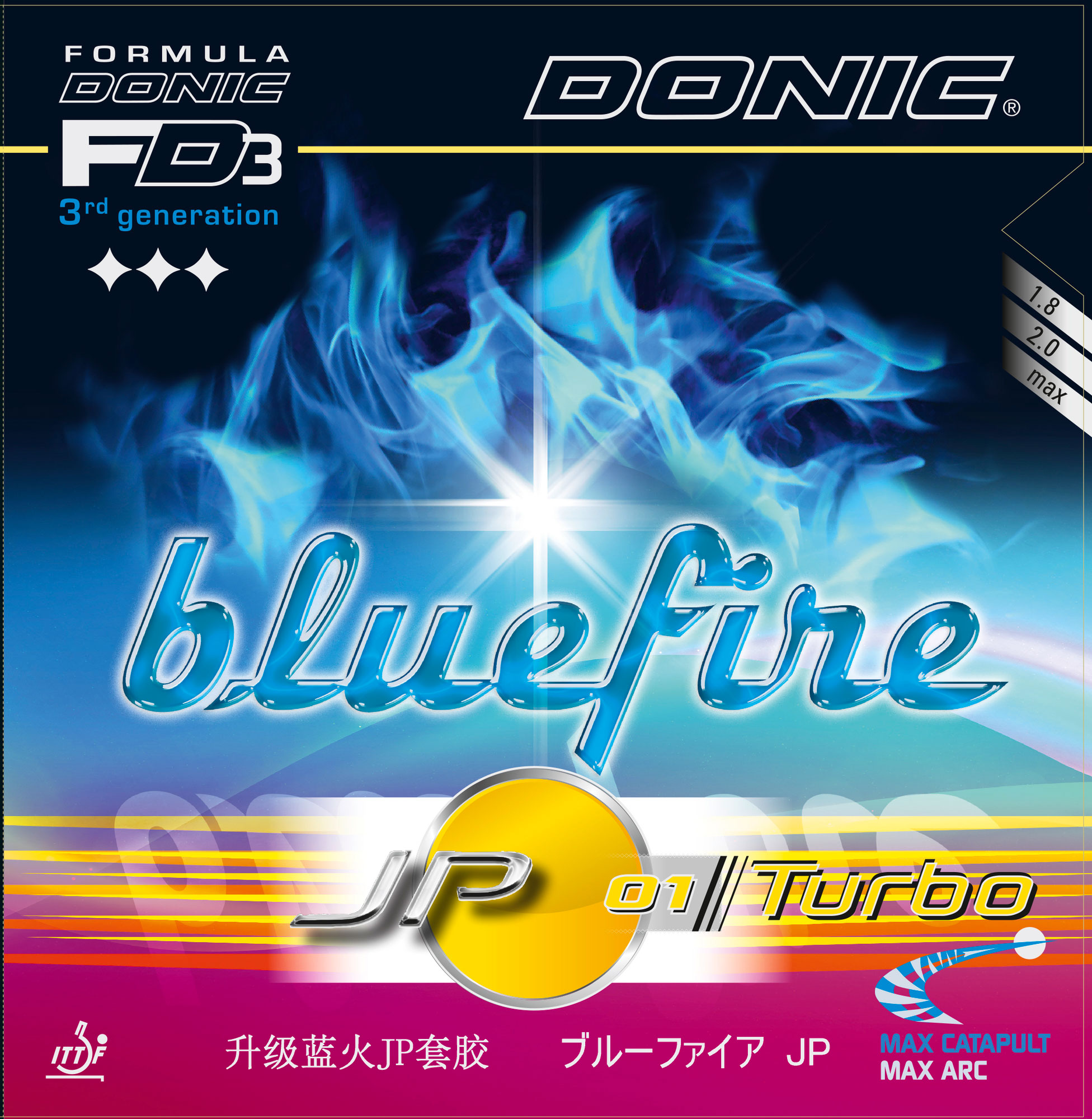
Both rate 8.3, but they serve opposing philosophies. The Donic Bluefire JP01 Turbo rewards mid-distance loopers with reliable high spin, strong control, and satisfying catapult feel—all without additives. Its open-pored sponge is tactilely engaging and responsive to technique. However, it wears fast (1-2 months) and sits heavier than rivals.
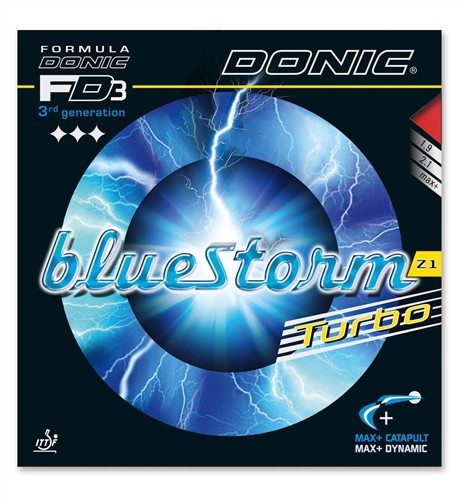
The Donic Bluestorm Z1 Turbo trades consistency for explosive ceiling speed. Unboosted, it feels mushy and unreliable; with booster, sponge opens dramatically and delivers premium performance. Yet thick feedback masks loop depth, and short game breaks (flicks overshoot, blocks falter). Choose JP01 if you want immediate, predictable spin and don’t mind re-gluing often. Pick Z1 only if booster ritual suits your training culture and you trust your technique in fast rallies.
FAQ
Which handles short game better?
JP01 edges ahead for consistent blocking and flicks. Z1 struggles; muffled feel makes touch unreliable.
Does booster really matter for the Z1?
Absolutely essential. Without it, inconsistency and weakness are pronounced. With booster, sponge springs to life.
Which is more durable?
Z1 under heavy load with booster. JP01 topsheet degrades within 1-2 months, making Z1 the longer-term investment if maintained.
What skill level suits each?
JP01 fits intermediate attackers. Z1 demands advanced technique and booster comfort; beginners will struggle.
Which generates more spin?
Z1 rates 9.9 versus JP01 at 9 spin, but JP01 spin is more accessible and consistent without additives.