DHS Gold Arc 8 vs Donic Bluestorm Z1 Turbo: Which Should You Buy?
| DHS Gold Arc 8 | Donic Bluestorm Z1 Turbo | |
|---|---|---|
| Our rating | 8.4/10 | 8.3/10 |
| best_side | forehand or backhand | forehand |
| control | medium-high | 8.2/10 |
| speed | high | 9.8/10 |
| spin | high | 9.9/10 |
| sponge_hardness | 47.5 deg (also a 50 deg version), ESN scale | 50 degrees |
| type | non-tacky high-elastic ESN tensor, inverted | inverted |
| weight_uncut_g | 69 | 71 |
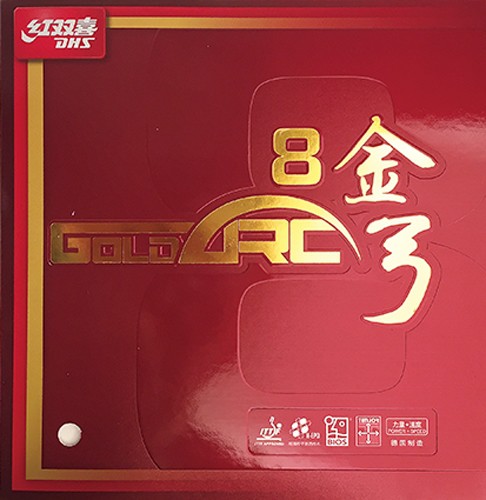
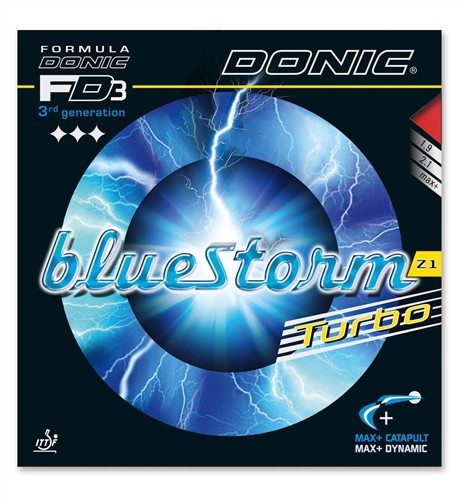
We may earn a commission from links on this page. Learn more.
DHS Gold Arc 8 is a well-rounded offensive tensor excelling at both slow and fast play. It’s accessible to developing players, works across blade types, and maintains stable performance without boosters.
Donic Bluestorm Z1 Turbo is best-in-class speed among ESN tensors at its price but highly inconsistent and unstable without booster application. Feedback is muffled, short game is problematic, and it’s not recommended for beginners or players with developing technique.
Gold Arc 8 is the versatile choice for broad-based offensive play. Z1 Turbo appeals exclusively to advanced attackers comfortable with booster maintenance, low throw angles, and a thin margin for error.
FAQ
Which is more user-friendly?
Gold Arc 8 by far. Z1 Turbo’s thin margin and booster requirement make it beginner-unfriendly.
Which is faster?
Z1 Turbo is dramatically faster with 9.8/10 speed versus Gold Arc 8’s 9.0/10 on a different scale. Z1 is extreme-speed class.
Do I need booster for Z1 Turbo?
Strongly recommended. Without booster, Z1 Turbo is described as inconsistent and unstable.
Which offers better short game?
Gold Arc 8 significantly. Z1 Turbo’s thick feedback and strong catapult make flicks and blocking problematic.
Which works on both sides?
Gold Arc 8 works well on both wings. Z1 Turbo is forehand-focused.