Butterfly Tenergy 80 vs Yasaka Rakza Z: Which Should You Buy?
| Butterfly Tenergy 80 | Yasaka Rakza Z | |
|---|---|---|
| Our rating | 8.8/10 | 8.6/10 |
| best_side | both | forehand |
| control | medium-high | high |
| speed | 13.5/14 | medium |
| spin | 11.2/12 | extreme |
| sponge_hardness | 36° | 50 degrees (medium-hard; Extra Hard version around 57 degrees) |
| type | tensor inverted (Spring Sponge) | hybrid tacky tensor |
| weight_uncut_g | 67 | 72 |
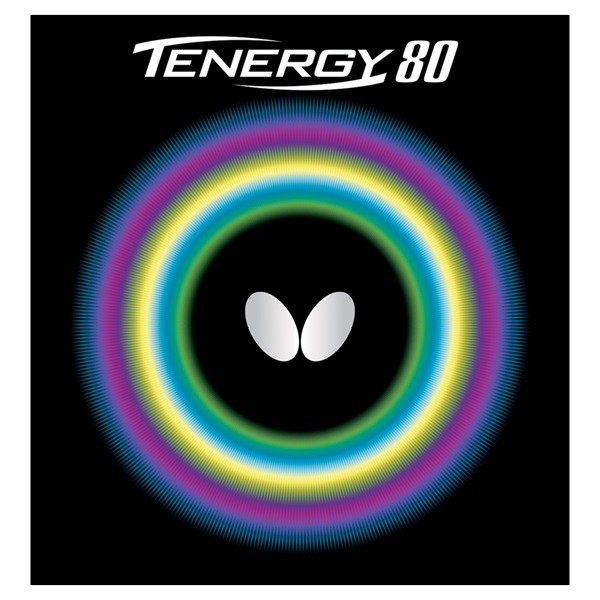
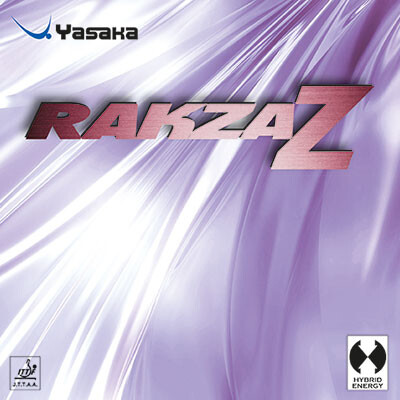
We may earn a commission from links on this page. Learn more.
Tenergy 80 and Rakza Z both aim at offense but reward different swings. Tenergy 80 is a spring-sponge tensor with a medium-low throw, easy blocking, and balanced loops, flat hits, and serves on both wings. Rakza Z is a hard tacky hybrid with extreme, low-slip spin, a high throw, and a strong linear kick when you commit to a full stroke, plus surprising control and dwell for its hardness.
The contrast is feel and effort. Tenergy is lighter and more forgiving, with lower spin sensitivity and springy passive speed. Rakza Z is heavy at seventy-two grams, can fatigue the arm on carbon blades, needs a closed angle for its high throw, and goes weak when you are out of position or swing softly, but its spin on loops, backspin openings, and serves is in another tier and it is a strong value next to Dignics 09C.
For a two-winged attacker who wants forgiveness and elite blocking, Tenergy 80 wins. For a proactive forehand looper happy to swing fully and pressure with heavy spin, Rakza Z is the more potent and far cheaper hybrid, and a smart pick if you like boosted Hurricane or 09C feel.
FAQ
Which spins more?
Rakza Z. Its tacky hybrid topsheet produces extreme, low-slip spin on loops, backspin openings, and serves. Tenergy 80 is spinny but more about a clean arc and speed than maximum grip.
Will Rakza Z tire my arm?
It can. At seventy-two grams it is heavy and may cause arm or wrist fatigue, especially on a carbon blade. Tenergy 80 is lighter and easier to swing all match.
Can I use either on the backhand?
Tenergy 80 plays well on both wings. Rakza Z is best on the forehand, since it goes weak at less than full power and needs a committed stroke to perform.