Butterfly Tenergy 80 vs Tibhar Quantum X Pro: Which Should You Buy?
| Butterfly Tenergy 80 | Tibhar Quantum X Pro | |
|---|---|---|
| Our rating | 8.8/10 | 8.5/10 |
| best_side | both | both |
| control | medium-high | medium |
| speed | 13.5/14 | very high |
| spin | 11.2/12 | very high |
| sponge_hardness | 36° | 47.5 degrees |
| type | tensor inverted (Spring Sponge) | tensor |
| weight_uncut_g | 67 | 70 |
We may earn a commission from links on this page. Learn more.
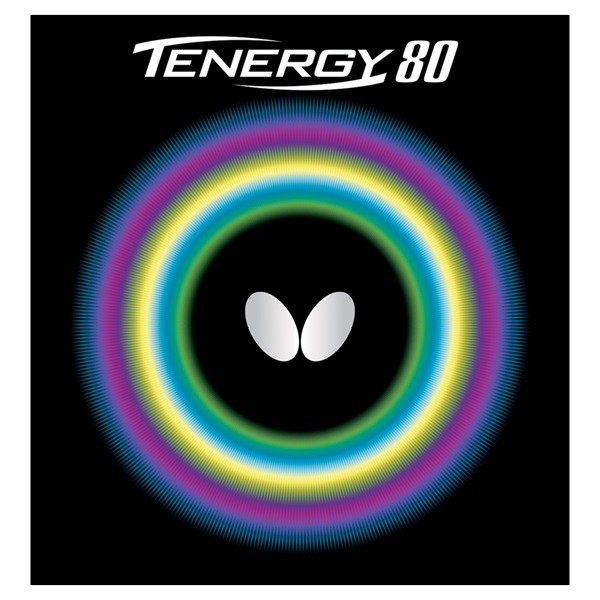
Tenergy 80 and Quantum X Pro both represent high-end tensor performance, but Tenergy 80 edges ahead in overall versatility. Tenergy 80’s lower spin sensitivity and forgiving blocking make it more accessible for all-around play; it dominates mid-distance attack and serves with excellent spin arc.
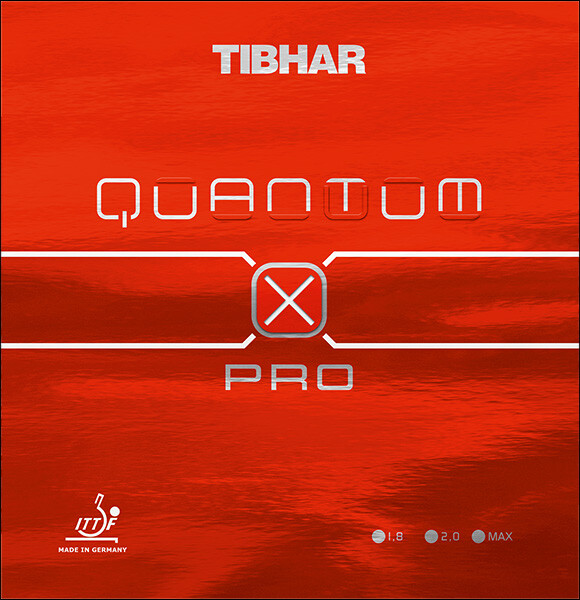
Quantum X Pro specializes in backhand reliability with low spin sensitivity and exceptional forgiveness for a hard-sponge tensor. Its light uncut weight (around 47.7g) suits carbon and composite blades. However, its forehand performance does not justify premium pricing compared to rivals, and it struggles from mid-distance and far-from-table.
Choose Tenergy 80 for aggressive all-around play. Pick Quantum X Pro if you prioritize backhand control and near-table counter-topspin aggression.
FAQ
Which is better for beginners?
Tenergy 80 is more forgiving overall. Quantum X Pro’s hard sponge and near-table focus make it less suitable for players developing technique.
How do they differ in hardness?
Tenergy 80 is 36 degrees. Quantum X Pro is 47.5 degrees, making it significantly harder and less forgiving.
Which excels on specific sides?
Tenergy 80 plays excellently on both forehand and backhand. Quantum X Pro is specifically optimized for backhand performance.
Which professional uses Quantum X Pro?
Bernadette Szocs, an elite player, uses Quantum X Pro—proving its competitive viability at the highest level.